Titanic
## 1. The Birth of the Titanic and Its Historical Background
1. 1. The Birth of the Titanic and Its Historical Background
2. Key Facts

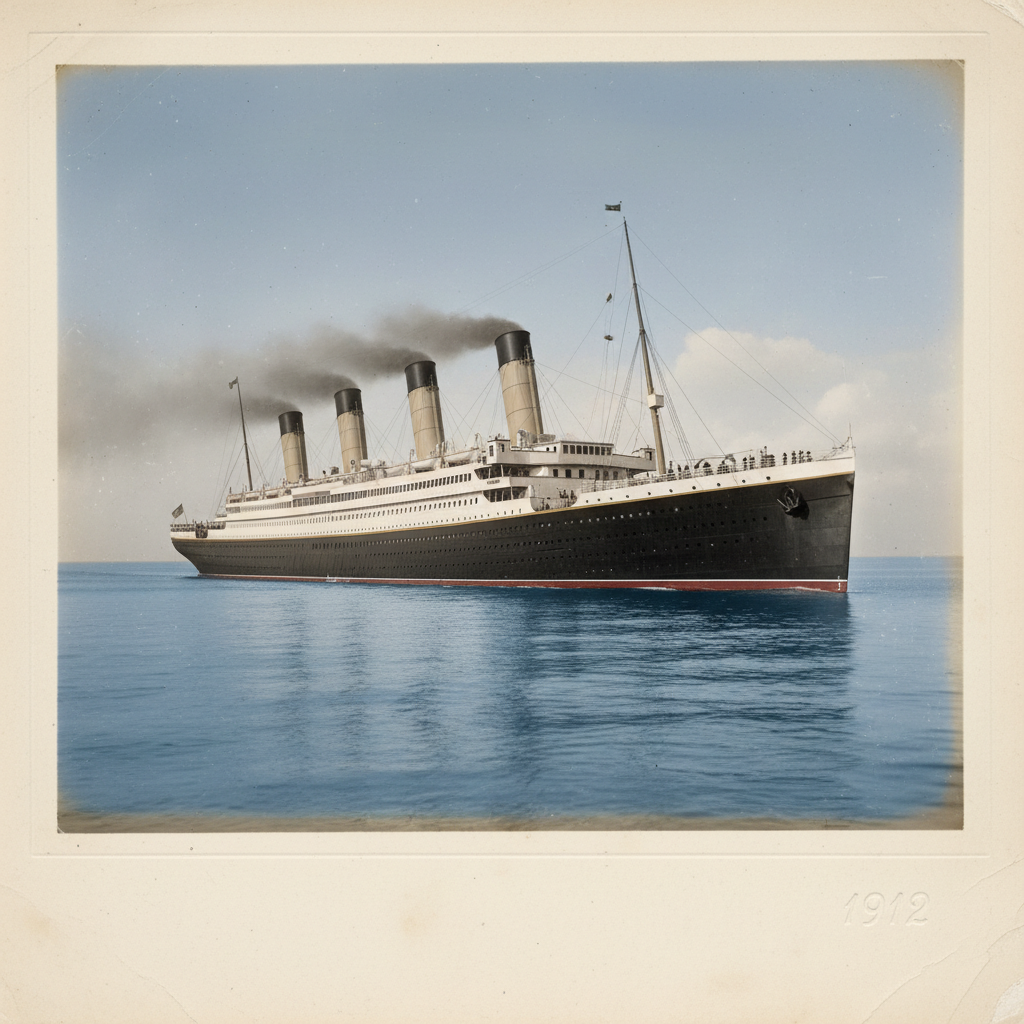
The Titanic was a British ocean liner that sank on April 15, 1912, and is recorded as one of the most famous maritime disasters in human history. The Titanic was the largest luxury passenger ship in the world at the time, and during its maiden voyage it collided with an iceberg in the North Atlantic, claiming the lives of approximately 1,500 people. This tragic event remains deeply etched in the memory of people around the world to this day. The Titanic was the second of the Olympic-class ocean liners built for the White Star Line. Measuring 269 meters in length and 28 meters in width, the massive vessel was regarded as the pinnacle of cutting-edge technology of its era. Its structural design and safety features gave rise to a widespread belief that it could never sink, earning it the legendary nickname "the unsinkable ship." People of that era also tended to place blind faith in the power of science and technology, and the Titanic came to symbolize that era's supreme self-confidence in human achievement.
3. 2. The Maiden Voyage and Lavish Interior Facilities
Departing from Southampton, England on April 10, 1912, the Titanic set out on its historic first voyage with New York, USA as its final destination. Approximately 2,200 passengers and crew were on board, including many of the wealthiest and most socially influential figures of the time. First-class passengers enjoyed facilities and service of unimaginable luxury — an experience often described as sailing in a palace on the sea.
4. Detailed Description

The interior of the Titanic was nothing short of breathtaking in its grandeur. Magnificent grand staircases adorned with fine marble, upscale restaurants and cafes staffed by world-class chefs, a modern swimming pool, a state-of-the-art gymnasium, a library stocked with an extensive collection, a smoking room, lounges — the ship was equipped with an array of amenities that were almost unimaginable for the time. These facilities were likened to the finest hotels on land transported to sea, and many passengers reportedly described the ship not as a vessel but as a moving palace.
5. 3. The Fateful Moment: A Deadly Collision with an Iceberg
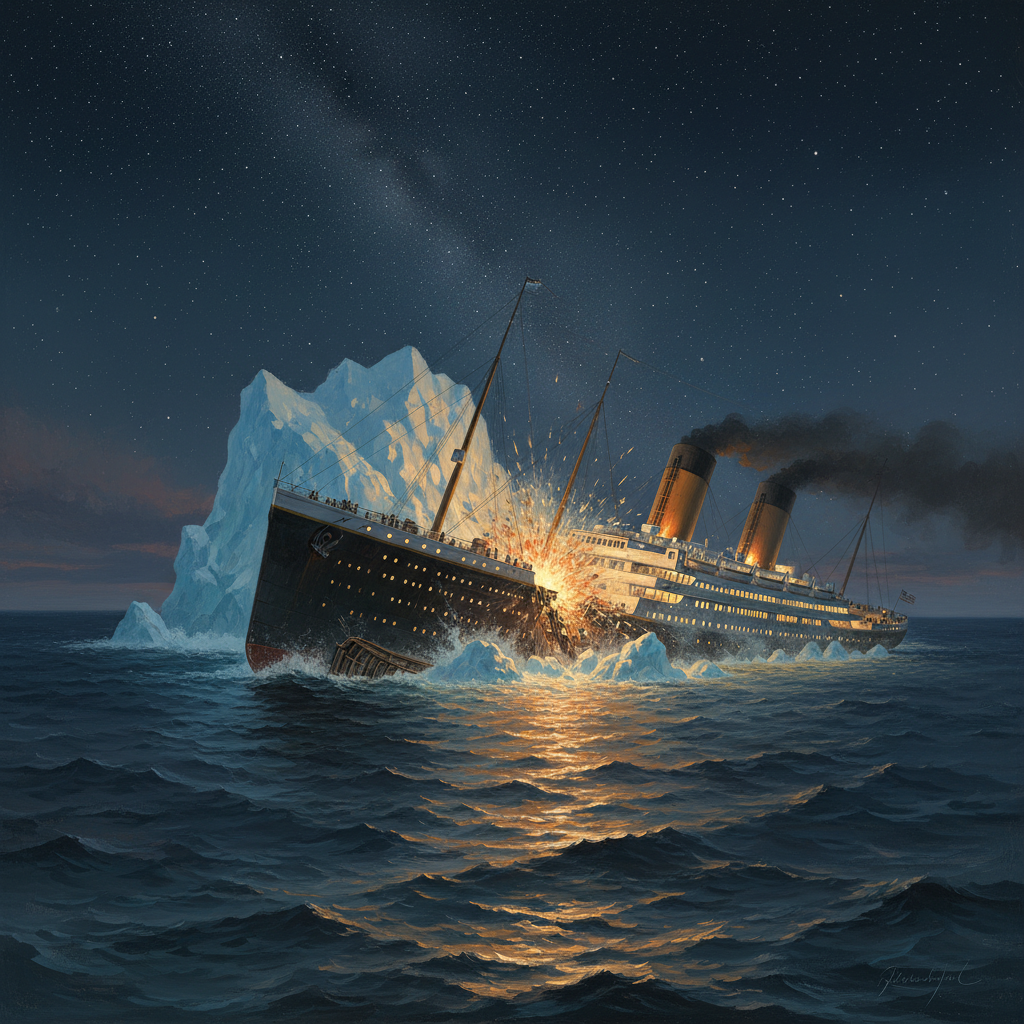
At approximately 11:40 p.m. on the night of April 14, 1912, the Titanic faced the defining moment that would seal its fate. In the pitch-black middle of the North Atlantic, the ship struck a massive iceberg head-on. The iceberg tore into the starboard side of the hull along approximately 90 meters, causing catastrophic damage to multiple watertight compartments simultaneously.
6. How It Unfolded

Immediately after the collision, Captain Edward Smith and senior officers assessed the damage and quickly grasped the severity of the situation, though many passengers initially felt no great sense of danger. The firm belief that the Titanic was unsinkable played a significant role, and the impact of the collision had not felt particularly violent to those on board. However, as time passed, the hull began to visibly tilt, and water started seeping into corridors and cabins, making it undeniably clear that the situation was dire. Crew members began evacuating passengers to the deck, and it was at this point that real terror began to set in.
7. 4. The Severe Lifeboat Shortage and Chaotic Evacuation
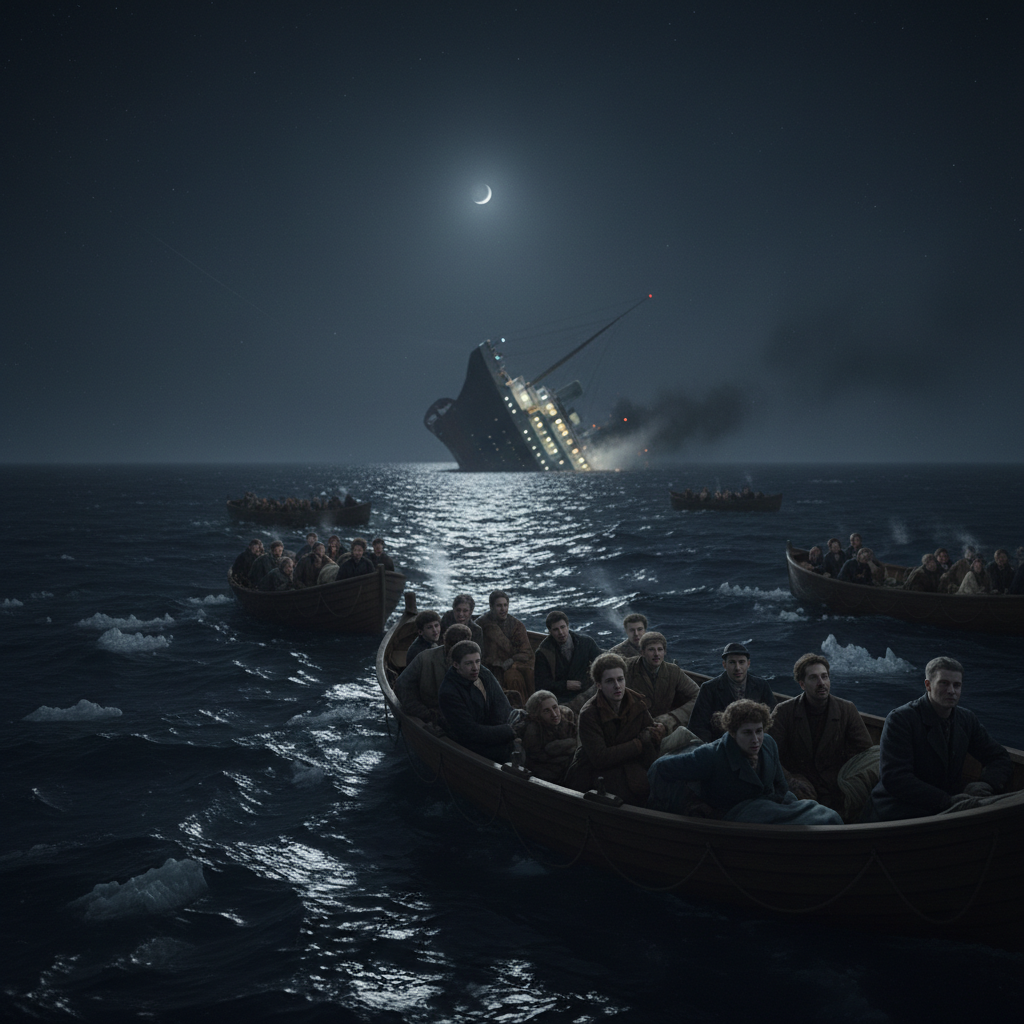
One of the most critical problems aboard the Titanic was a serious shortage of lifeboats. There were simply not enough lifeboats to accommodate all the people on board. Maritime safety regulations at the time determined the number of lifeboats based on tonnage rather than actual vessel size or passenger count, meaning the Titanic carried only the minimum number required by law — far fewer than needed to save everyone on board.
8. Additional Information

Numerous serious problems also arose during the lifeboat boarding process. Although the principle of women and children first was applied, in the midst of extreme chaos many lifeboats were launched before being properly filled to capacity. Some lifeboats with a capacity of up to 65 people departed with only 20 to 30 people aboard. This was the result of a combination of factors: inadequate crew training, a lack of systematic evacuation planning, and the panic and confusion spreading among passengers.
9. 5. The Tragic Sinking and Rescue Operations
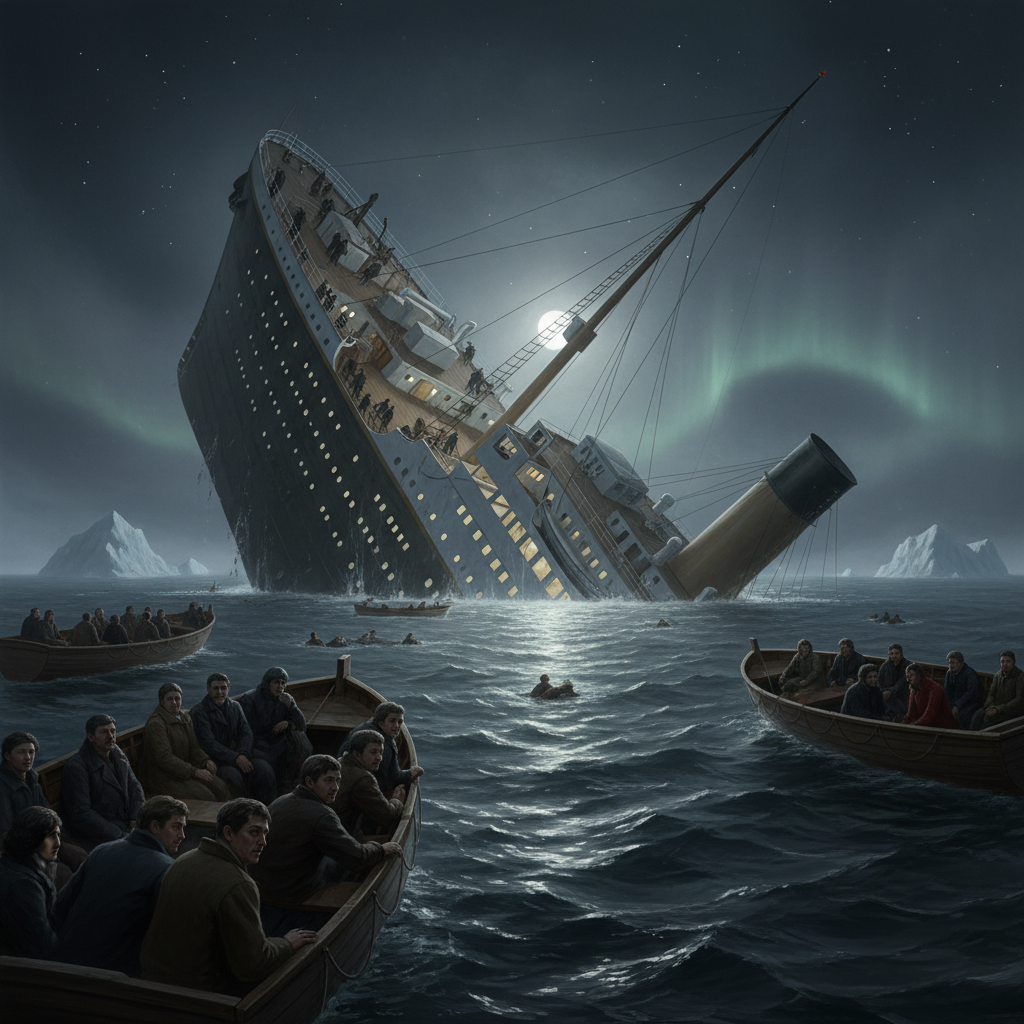
Approximately 2 hours and 40 minutes after the collision with the iceberg, at around 2:20 a.m. on April 15th, the Titanic completed its tragic end by sinking entirely. The hull broke in two with a tremendous noise and plunged rapidly into the depths of the sea. The countless people who fell into the freezing ocean waters succumbed to severe hypothermia in a very short time. The water temperature at the time was measured at approximately minus 2 degrees Celsius — in such extreme cold, survival was only possible for roughly 15 to 30 minutes.
10. In-Depth Coverage

Rescue operations did not begin until approximately two hours after the sinking. The RMS Carpathia, which had been sailing nearby, received the distress signal and arrived at the scene at full speed, rescuing survivors who remained in the lifeboats — but by then, the vast majority had already perished. In the end, approximately 710 people were rescued, while around 1,500 lost their lives in the icy waters.
11. 6. Global Shock and Far-Reaching Safety Reforms
The sinking of the Titanic sent shockwaves of grief across the entire world. The fact that a vessel widely regarded as a symbol of cutting-edge technology and human confidence had sunk on its very first voyage was a profound blow to every nation on earth. The disaster became an iconic event that starkly exposed the dangers of human hubris and the helplessness of mankind in the face of nature's power, serving as a powerful reminder of how dangerous it is to place blind faith in technology. In the aftermath, international maritime safety regulations were substantially strengthened. All ships were now required to carry enough lifeboats to accommodate every passenger and crew member, and around-the-clock radio communication was made mandatory. Additionally, to ensure safety along North Atlantic shipping lanes, the International Ice Patrol was newly established to monitor the locations of dangerous icebergs in real time and issue warnings to passing vessels.
12. Notes

13. 7. The Dramatic Discovery of the Wreck 73 Years Later
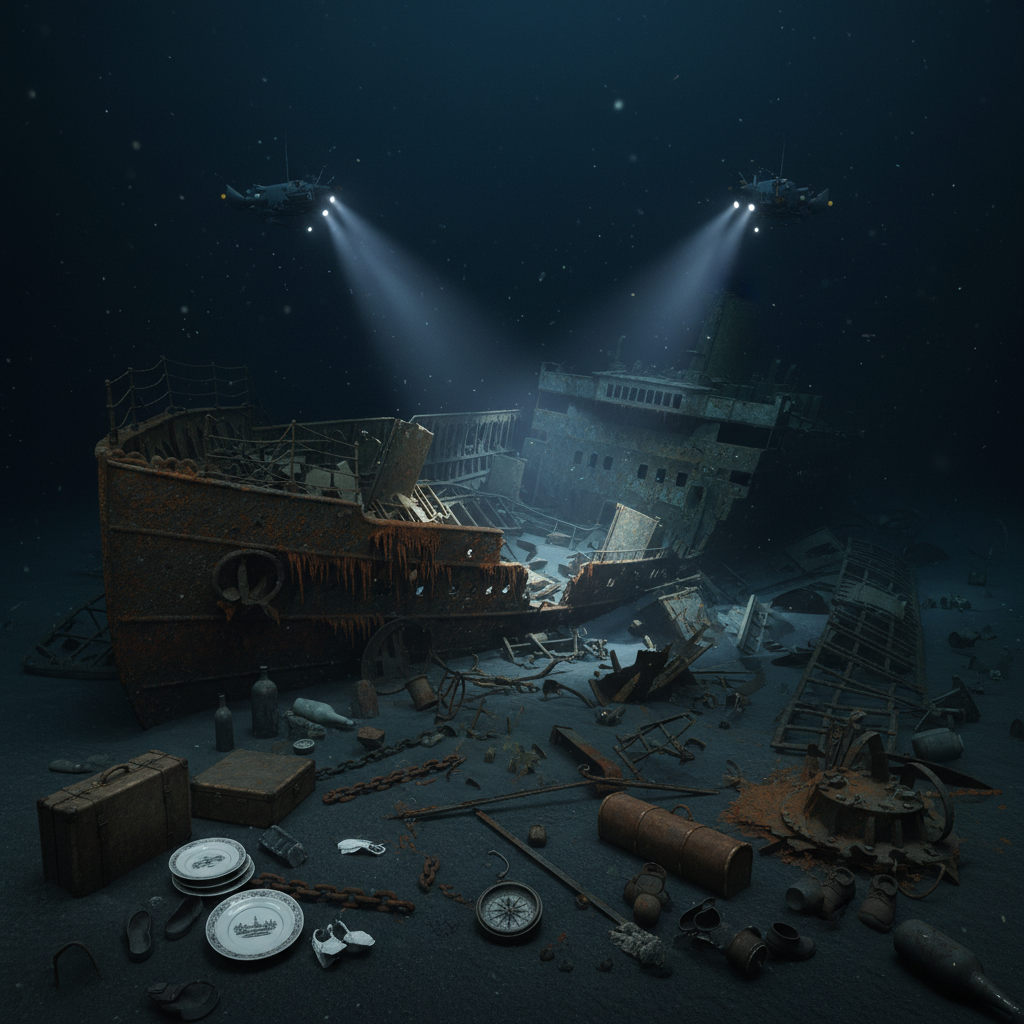
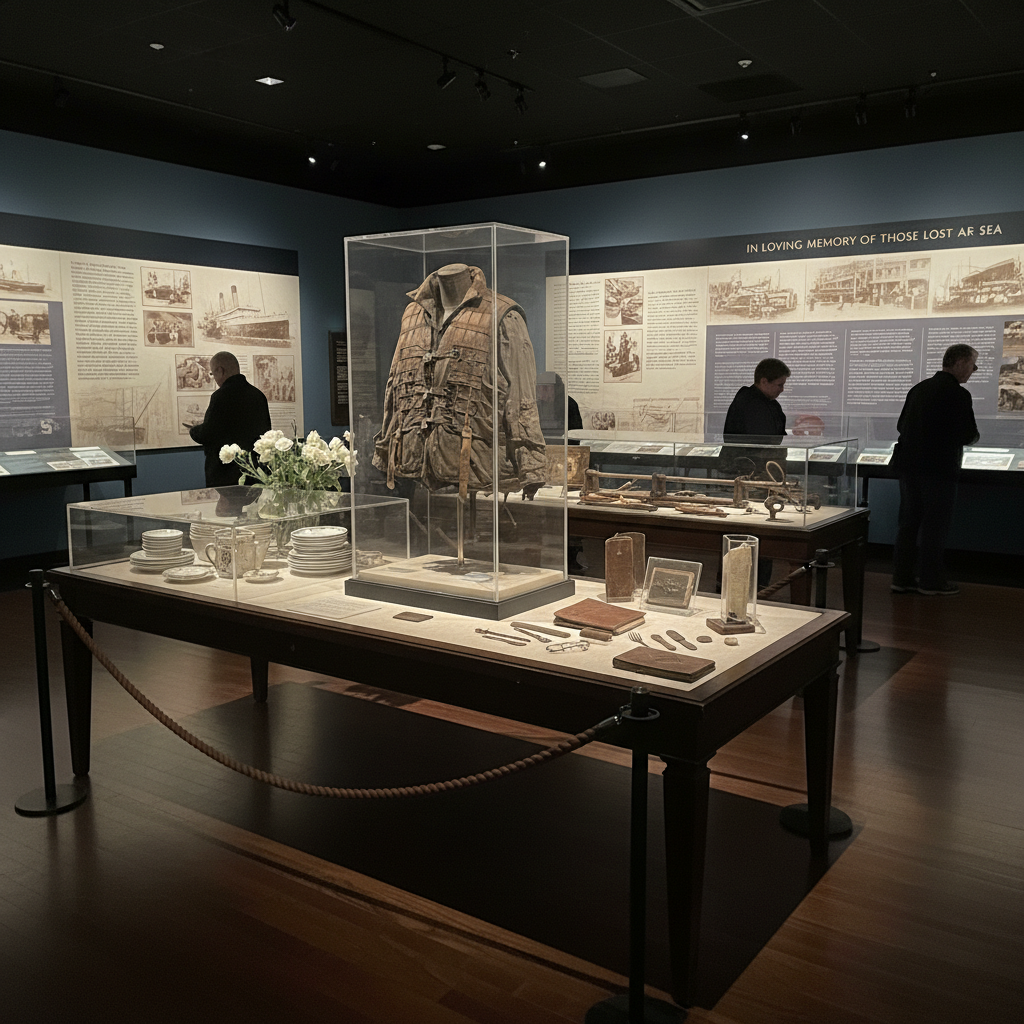
The wreck of the Titanic was dramatically discovered on September 1, 1985 — 73 years after its sinking — by a joint Franco-American deep-sea exploration team. Found in two pieces at a staggering depth of approximately 3,800 meters in the North Atlantic Ocean, the Titanic revealed itself to the world once again after more than seven decades. Dr. Robert Ballard, who led the expedition team, reportedly described the discovery as one of the most important archaeological finds of the twentieth century. Subsequent expeditions recovered numerous artifacts, which have since been put on public display in museums and exhibitions around the world. Personal belongings of passengers, tableware, sections of the ship, and many other objects were recovered, allowing historians to reconstruct the events of that fateful night with far greater clarity and vividness.
14. Seventh Entry

15. 8. Cultural Revival Through Film and a Global Phenomenon
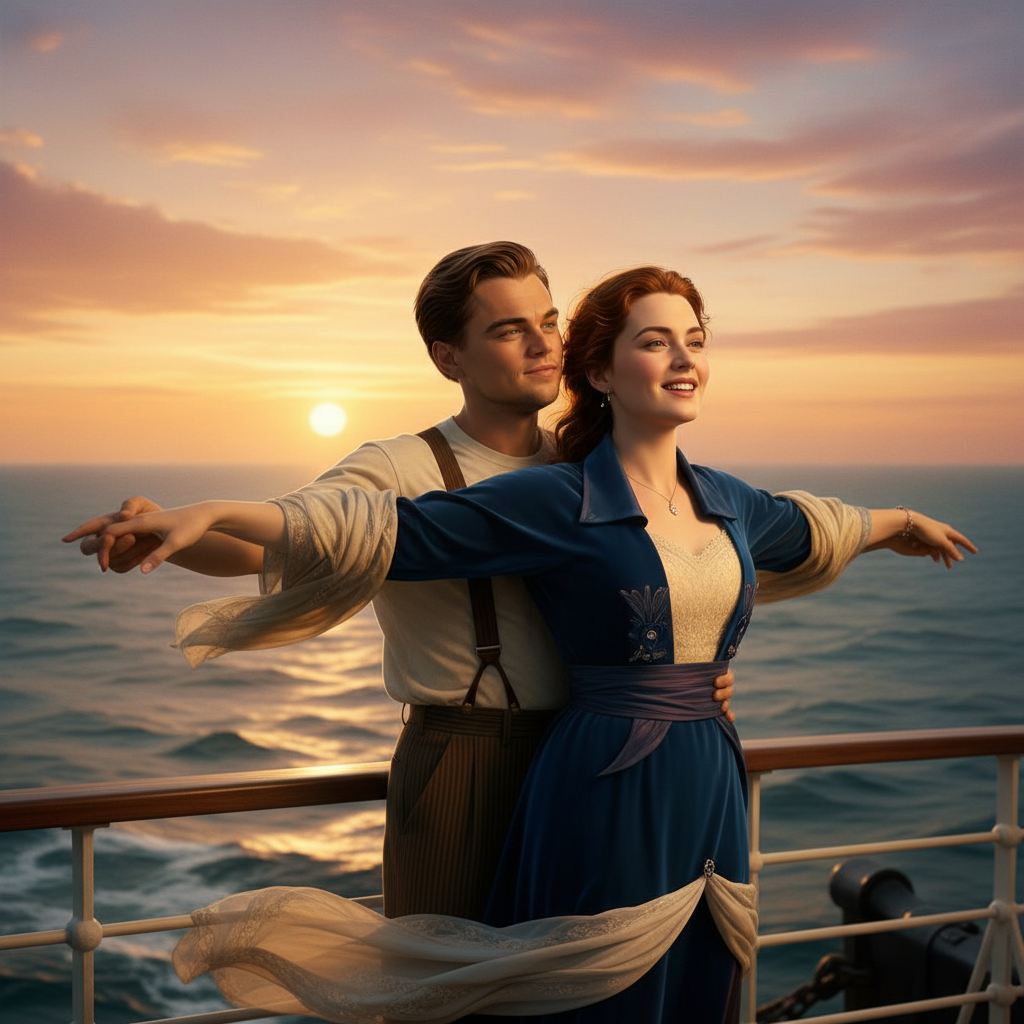
The 1997 film "Titanic," directed by Hollywood visionary James Cameron, achieved phenomenal success worldwide and set new benchmarks in cinematic history. Starring Leonardo DiCaprio and Kate Winslet, the film masterfully wove a fictional but deeply moving love story against the backdrop of the real-life sinking. The film went on to win eleven Academy Awards, cementing its place as an enduring masterpiece of cinema. Although the romance between Jack and Rose is fictional, the film succeeded in powerfully imprinting the historical tragedy of the Titanic's sinking in the minds of audiences around the world once again. Iconic lines such as "You jump, I jump," "I'm the king of the world," and "Draw me like one of your French girls" are still widely quoted globally, and the film's memorable scenes have become part of popular culture. The film's main theme song, "My Heart Will Go On" by Celine Dion, was met with an explosive outpouring of love worldwide.
16. Eighth Entry

The song became the defining musical symbol of the Titanic, and to this day many people instinctively think of this song whenever they recall the ship. Its beautiful, heartbreaking melody and lyrics made the tragic love story all the more moving and memorable, and the song earned numerous awards at prestigious ceremonies around the world.
17. 9. The Heroic Sacrifices and Social Inequality Laid Bare
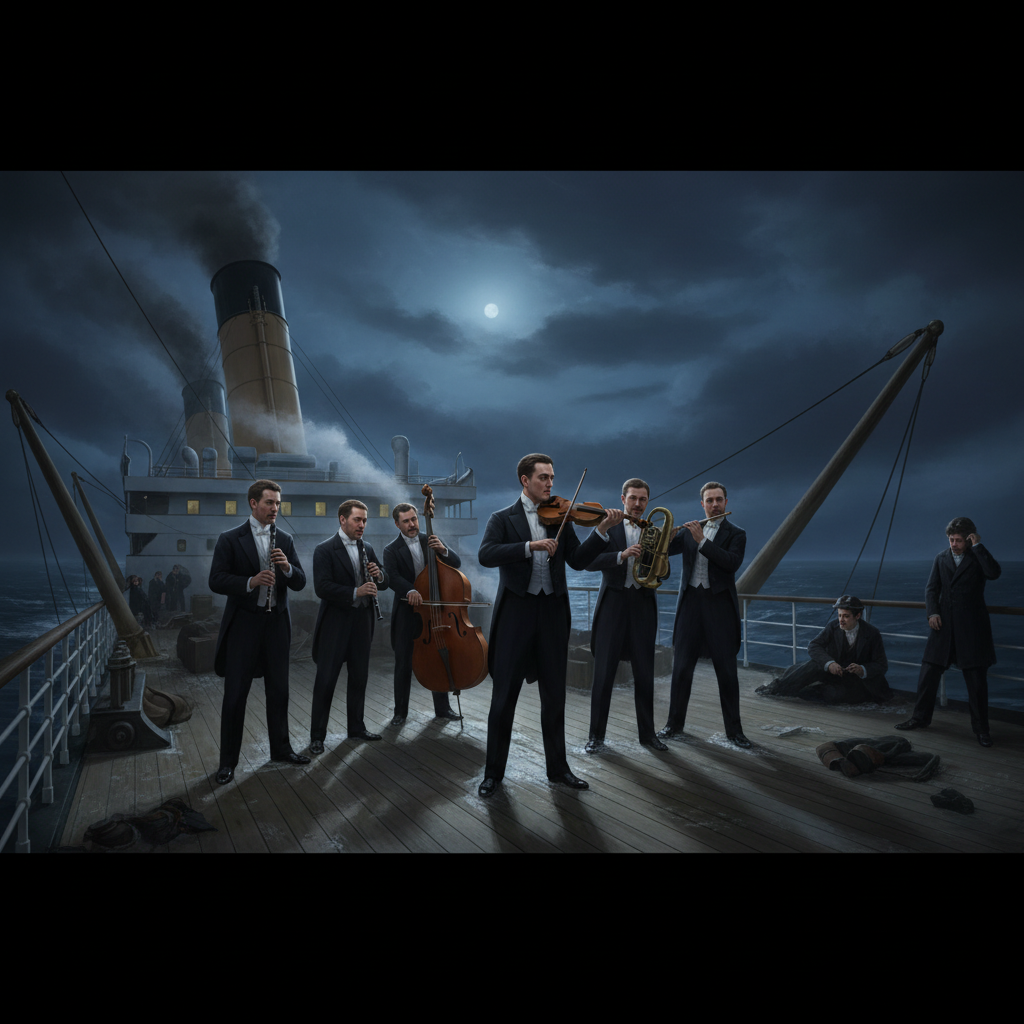
Many heroic and deeply moving stories emerged from the Titanic disaster. The ship's band members who stood resolute at their posts until the very end, the captain and crew members who ensured the safe evacuation of passengers before going down with the ship, and the gentlemen who willingly gave up their lifeboat seats to women and children — these stories of noble sacrifice shine as a testament to human dignity even within the midst of tragedy. The story of the ship's orchestra is particularly moving. Eight musicians who continued playing on the sinking deck in an effort to calm the extreme panic and chaos among passengers all perished. Their final piece is said to have been "Nearer, My God, to Thee," and their selfless sacrifice continues to be deeply admired around the world to this day.
18. Ninth Entry

The Titanic disaster also revealed stark differences in survival rates based on social class. First-class passengers had a survival rate of approximately 60 percent, while third-class passengers survived at a rate of only around 25 percent. This striking statistic laid bare the severe class discrimination and inequality of the era. Third-class passengers faced restricted access to the upper decks and had far greater difficulty reaching the lifeboats.
19. 10. Lessons That Will Never Be Forgotten and a Historical Legacy
Multiple in-depth analyses have been conducted into the causes of the Titanic disaster. Several factors are seen to have combined: ignoring repeated iceberg warnings and continuing at high speed, the absence of binoculars in the crow's nest, and a nearby vessel either ignoring or misinterpreting the emergency distress signals. Had even one of these factors played out differently, the tragic outcome might well have been avoided. Today, the Titanic stands as something far greater than a simple maritime accident — it is an enduring symbol and warning against human arrogance and blind faith in technology. It serves as a powerful reminder that even the most seemingly perfect systems can be rendered helpless against the forces of nature. It is also a pivotal event that clearly exposed the structural flaws in human society and the true nature of human behavior under crisis.
20. Tenth Entry

The sinking of the Titanic continues to captivate the interest of countless people well over a century later. Numerous books, films, documentaries, exhibitions, and musicals have been produced, and Titanic-related artifacts fetch exceptionally high prices at auction. The wreck of the Titanic has been officially designated a UNESCO Underwater Cultural Heritage site and is internationally protected, though the ship resting at 3,800 meters below the surface is gradually corroding over time. The Titanic is both a tragic historical event and a great story that will be remembered forever. The precious lessons drawn from the disaster played a decisive role in shaping today's maritime safety systems, and it remains as relevant as ever as a warning against human arrogance. The story of the Titanic will continue to be passed down to future generations, offering timeless lessons and profound inspiration regarding technology, safety, human dignity, and the spirit of sacrifice.
Additional Tips
- For accurate information, consult a specialist
- For more details, please contact the relevant authority
Time calculators to use next
Continue with calculators for h:m:s arithmetic, work hours, sleep planning, presentation timing, and world time.
Apply this to your portfolio
Calculate the optimal weights with the rebalancing calculator
Go to Rebalancing CalculatorHave any questions?