
빌런뜻 바로보기 2026 | 빌런 뜻·villain·주차빌런 예문
빌런뜻은 원래 villain, 즉 이야기 속 악당입니다. 요즘에는 주차빌런, 회사빌런, 민폐빌런처럼 불편한 행동을 반복하는 사람을 가볍게 부르는 신조어로도 씁니다. 공개 글에서는 사람보다 행동을 설명하는 표현이 안전합니다.

빌런뜻은 악당과 민폐 신조어를 나눠 보세요
빌런은 영어 villain의 악당·악역 의미에서 왔지만, 요즘 한국어에서는 주차 빌런이나 회사 빌런처럼 특정 행동으로 불편을 주는 사람을 가볍게 부를 때도 씁니다.
- 영화·게임에서는 주인공과 대립하는 악역이라는 뜻입니다.
- 일상에서는 민폐 행동을 풍자하는 신조어로 쓰이는 경우가 많습니다.
- 특정인을 공개적으로 빌런이라 부르면 모욕적으로 들릴 수 있습니다.
빌런뜻을 영어 원뜻과 신조어로 나누기
빌런뜻 검색은 villain의 악당·악역 의미와, 주차 빌런·회사 빌런처럼 민폐 행동을 풍자하는 한국식 신조어 의미가 함께 나옵니다. 어떤 문맥인지 먼저 나눠야 영어 표현과 사용 주의점이 달라집니다.
- 영화·게임·소설에서는 주인공과 대립하는 악당이나 악역을 뜻합니다.
- 일상 신조어에서는 반복적으로 불편을 주는 사람이나 행동을 가볍게 부를 때 씁니다.
- 사람을 직접 지칭할 때는 농담처럼 보여도 모욕적으로 들릴 수 있습니다.
- 영어로 민폐 사람을 말할 때는 villain보다 nuisance, troublemaker처럼 문맥에 맞춰 풀어 쓰는 편이 자연스럽습니다.
신조어 뜻과 함께 볼 페이지
빌런뜻은 두 가지로 보면 됩니다. 원뜻은 영화·소설 속 악당이나 악역이고, 요즘 한국어에서는 민폐 행동을 반복하는 사람을 가볍게 부르는 말입니다. 뜻만 확인하고 바로 써야 한다면 아래처럼 구분하세요.
| 찾는 상황 | 바로 보는 뜻 | 그대로 써도 되는 문장 | 공개 글 대안 문구 |
|---|---|---|---|
| 빌런뜻 | 악당, 악역 또는 민폐 행동을 반복하는 사람 | "빌런은 원래 악당이고, 요즘은 민폐 캐릭터라는 뜻으로도 씁니다." | "반복적으로 불편을 주는 행동" |
| villain 뜻 | 영화·소설 속 악당, 악역 | "이 영화는 빌런의 동기가 분명해서 몰입된다." | "악역 캐릭터" |
| 주차빌런 뜻 | 주차를 이상하게 해 피해를 주는 사람 | 친구끼리는 "주차빌런 봤다"처럼 말할 수 있음 | "주차선을 넘긴 차량 때문에 통행이 불편했다" |
| 회사빌런 뜻 | 회사에서 반복적으로 협업을 어렵게 하는 사람 | 농담으로만 제한해서 쓰기 | "회의를 자주 방해하는 행동이 반복된다" |
| 빌런 영어로 | 악당은 villain, 민폐 사람은 상황별 표현 | 영화 악당은 villain | troublemaker, nuisance, someone who breaks the rules |
핵심은 사람 자체를 낙인찍는 말이 아니라 반복되는 불편한 행동을 짧게 부르는 말로 이해하는 것입니다. 특히 공개 게시글, 리뷰, 회사 단톡방에서는 "○○ 빌런"보다 어떤 행동이 문제였는지 구체적으로 쓰는 편이 안전합니다.
빌런 뜻부터 한 줄로 정리

빌런은 영어 villain에서 온 말로, 원래 뜻은 악당이나 악역입니다. 영화, 드라마, 만화에서 주인공과 대립하는 인물을 말할 때 씁니다.
요즘 한국어에서는 뜻이 조금 넓어졌습니다. 실제 악당이라는 뜻보다는 민폐를 끼치는 사람, 분위기를 망치는 사람, 특정 행동을 유난히 반복하는 사람을 가볍게 부를 때 많이 씁니다.
처음 보는 표현이라면 아래처럼 읽으면 됩니다.
| 표현 | 뜻 | 부드럽게 바꿔 말하면 |
|---|---|---|
| 영화 빌런 | 주인공과 맞서는 악역 | 악역 캐릭터 |
| 주차 빌런 | 주차를 이상하게 해서 피해를 주는 사람 | 주차 매너가 부족한 사람 |
| 분리수거 빌런 | 분리수거를 제대로 하지 않는 사람 | 분리수거 규칙을 지키지 않는 사람 |
| 도서관 빌런 | 도서관에서 소음 등으로 민폐를 주는 사람 | 조용한 공간에서 소음을 내는 사람 |
| 회사 빌런 | 회사에서 주변을 힘들게 하는 사람 | 협업을 어렵게 만드는 행동을 하는 사람 |
즉, 원뜻은 악당이고, 요즘 쓰임은 민폐 캐릭터에 가깝습니다.
빌런뜻 검색 결과에서 먼저 구분할 것
네이버에서 빌런뜻, 빌런 뜻, villain 뜻을 검색하면 영어사전 의미와 커뮤니티식 신조어 의미가 같이 나옵니다. 클릭 전에는 지금 궁금한 것이 영화 속 악역인지, 사람을 놀리듯 부르는 표현인지 먼저 나누는 것이 빠릅니다.
| 검색어 | 먼저 볼 의미 | 예문 |
|---|---|---|
| 빌런뜻 | 악당 + 민폐 캐릭터 두 의미 모두 | "이 영화는 빌런이 매력적이다", "주차 빌런을 봤다" |
| villain 뜻 | 영어 원어 의미 | 영화·소설의 악당, 악역 |
| 민폐 빌런 뜻 | 한국식 확장 의미 | 공공장소에서 불편을 주는 사람 |
| 주차 빌런 뜻 | 특정 행동을 반복하는 사람 | 주차선을 넘기거나 통행을 막는 사람 |
| 빌런 영어로 | 상황별 영어 표현 | 악당은 villain, 민폐 사람은 nuisance·troublemaker |
상대방을 직접 부를 때는 빌런이 농담처럼 보여도 모욕적으로 들릴 수 있습니다. 공개 글에서는 사람보다 행동을 구체적으로 설명하는 편이 안전합니다.
사전에서 확인하는 방법
뜻을 공식·사전 기준으로 확인하고 싶다면 villain과 빌런을 나눠 보는 것이 좋습니다. 영어 원뜻은 영어사전에서 villain을 검색하고, 한국어 신조어로 굳어진 쓰임은 국어사전·우리말 자료에서 빌런 등록 여부를 확인합니다.
| 확인 목적 | 확인 경로 | 실제 확인 단계 | 안 될 때 대안 문구 |
|---|---|---|---|
| 영어 원뜻 확인 | 네이버 영어사전에서 villain 검색 | 검색창에 villain 입력 → 명사 뜻에서 악당·악역 의미 확인 | 영화·소설 문맥이면 악역, 악당, villain으로 쓰기 |
| 표준어·국어사전 확인 | 국립국어원 표준국어대사전에서 빌런 검색 | 빌런 검색 → 등재 여부와 풀이 확인 | 공문·시험·공지에서는 민폐 행동, 규칙 위반 행동처럼 풀어 쓰기 |
| 실제 생활 표현 확인 | 네이버 검색에서 주차빌런, 회사빌런, 민폐빌런 조합어 확인 | 내가 본 표현 앞 단어가 어떤 행동을 가리키는지 먼저 확인 | 사람을 지칭하지 말고 "주차선을 넘겼다", "소음이 반복됐다"처럼 행동 설명으로 바꾸기 |
신조어는 사전 등재와 실제 사용 속도가 다를 수 있습니다. 사전에 없다고 해서 사람들이 쓰지 않는 말은 아니지만, 시험, 공문, 회사 공지처럼 정확한 표현이 필요한 글에서는 빌런 대신 악역, 민폐 행동, 규칙 위반 행동처럼 뜻이 분명한 말로 바꾸는 편이 좋습니다.
villain의 원래 의미
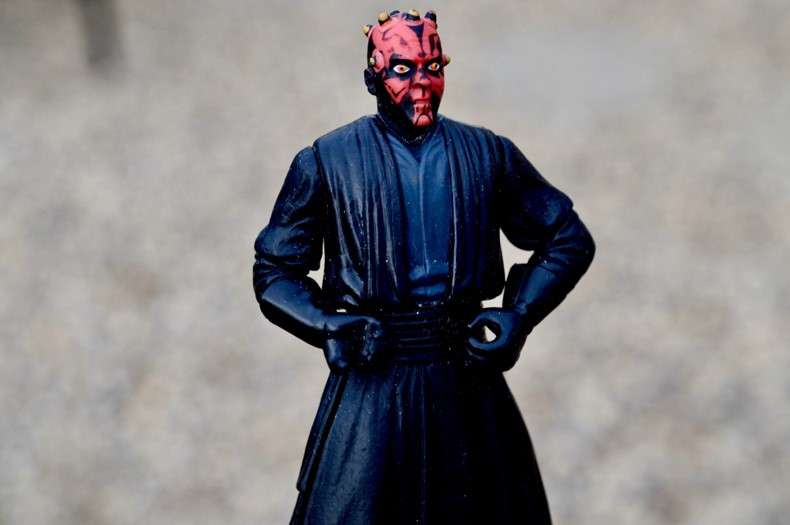
네이버 영어사전에서 villain은 이야기나 연극의 중심인물인 악당, 악한, 범죄자라는 뜻으로 나옵니다. 반대말로는 hero, 즉 영웅을 생각하면 쉽습니다.
영화에서 빌런은 단순히 나쁜 사람만 뜻하지는 않습니다. 주인공의 목표를 막고 갈등을 만드는 역할입니다.
- 히어로 영화의 빌런
- 추리소설의 범인 또는 흑막
- 게임에서 최종 보스 역할을 하는 캐릭터
- 드라마에서 주인공을 괴롭히는 악역
이처럼 원래 빌런은 이야기 구조 안에서 쓰는 말입니다. 그래서 “이번 영화는 빌런이 매력적이었다”라고 하면 악역 캐릭터가 인상 깊었다는 뜻입니다.
요즘 한국식 빌런 뜻

요즘 온라인 커뮤니티나 SNS에서는 빌런이 더 넓은 의미로 쓰입니다. 꼭 범죄자나 악당이 아니어도, 다른 사람에게 피해를 주거나 상식 밖의 행동을 하면 빌런이라고 부릅니다.
대표적인 예시는 다음과 같습니다.
| 표현 | 어떤 사람을 말할까 |
|---|---|
| 주차 빌런 | 두 칸을 차지하거나 통행을 막는 사람 |
| 소음 빌런 | 공공장소에서 큰 소리를 내는 사람 |
| 엘리베이터 빌런 | 문을 막거나 순서를 지키지 않는 사람 |
| 탕비실 빌런 | 공용 물건을 독점하거나 치우지 않는 사람 |
| 단톡방 빌런 | 불필요한 메시지를 계속 보내는 사람 |
이때 빌런은 “진짜 나쁜 사람”이라는 법적 판단이 아니라, 불편한 행동을 풍자적으로 부르는 말입니다.
왜 빌런이라는 말이 이렇게 쓰일까

빌런은 원래 강한 단어입니다. 그런데 인터넷에서는 단어를 조금 과장해서 쓰는 문화가 있습니다. 그래서 작은 민폐나 특이한 행동도 “빌런 등장”처럼 표현하면 짧고 웃기게 전달됩니다.
예를 들어 “회의 때마다 딴소리하는 사람”을 길게 설명하는 대신 “회의 빌런”이라고 하면 바로 느낌이 전달됩니다.
이런 쓰임에는 세 가지 특징이 있습니다.
- 특정 행동을 반복하는 사람을 부릅니다.
- 다른 사람에게 불편을 주는 상황에서 자주 씁니다.
- 진지한 비난보다 풍자나 농담의 뉘앙스가 섞입니다.
하지만 상대를 직접 지칭할 때는 조심해야 합니다. 장난처럼 보여도 듣는 사람에게는 모욕처럼 느껴질 수 있습니다.
빌런 예문으로 보는 실제 쓰임
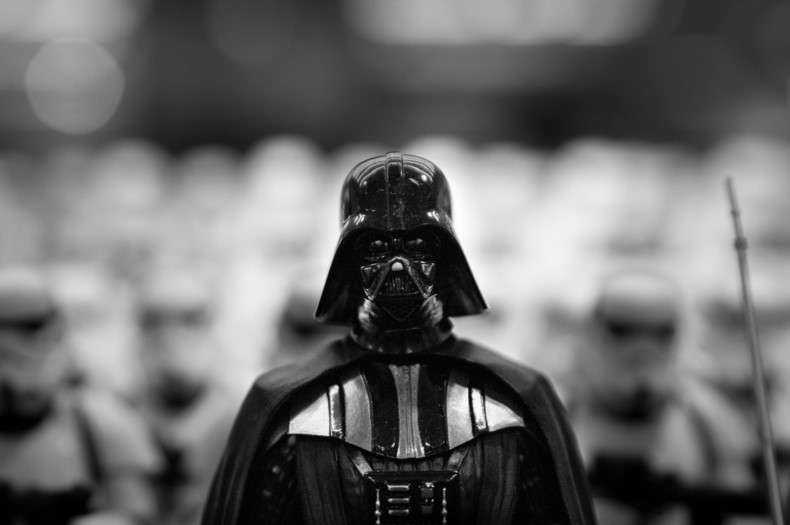
빌런은 명사처럼 뒤에 붙여 쓰는 경우가 많습니다.
- 오늘 지하철에서 문 앞을 막고 선 문앞 빌런을 봤다.
- 회사 탕비실에 컵을 안 치우는 탕비실 빌런이 있다.
- 영화는 재밌었는데 빌런의 동기가 약했다.
- 주차선을 넘긴 차 때문에 주차 빌런이라는 말이 나왔다.
- 단톡방에 광고를 계속 올리면 단톡방 빌런처럼 보일 수 있다.
좋은 의미로 쓰는 경우도 가끔 있습니다. 예를 들어 “커피 빌런”이라고 하면 커피를 너무 좋아하는 사람을 장난스럽게 부르는 말일 수 있습니다. 다만 문맥에 따라 부정적으로 들릴 수 있으니 조심해야 합니다.
영어로는 빌런을 그대로 쓰면 될까
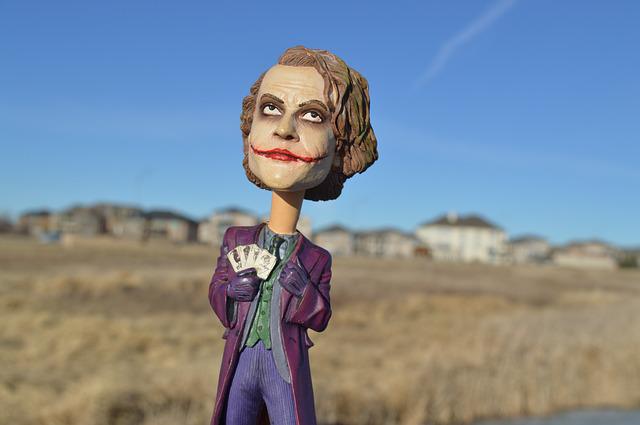
영어 villain은 주로 악역, 악당이라는 뜻입니다. 한국어처럼 “민폐를 끼치는 사람”을 모두 villain이라고 하면 어색할 수 있습니다.
상황에 따라 아래 표현이 더 자연스럽습니다.
| 한국어 느낌 | 영어 표현 |
|---|---|
| 영화 속 악당 | villain |
| 말썽꾸러기 | troublemaker |
| 민폐를 끼치는 사람 | nuisance |
| 분위기를 망치는 사람 | someone who ruins the mood |
| 규칙을 안 지키는 사람 | someone who breaks the rules |
예를 들어 “주차 빌런”을 영어로 말하고 싶다면 parking villain보다 someone who parks badly 또는 a nuisance in the parking lot처럼 풀어 말하는 편이 자연스럽습니다.
쓸 때 주의할 점

빌런은 가볍게 쓰는 신조어지만, 사람을 평가하는 말입니다. 특히 실명, 사진, 직장명, 학교명과 함께 쓰면 문제가 커질 수 있습니다.
다음 상황에서는 조심하는 것이 좋습니다.
- 특정인을 공개적으로 지목할 때
- 사실 확인이 안 된 일을 올릴 때
- 외모, 질병, 장애, 출신 등을 빌런이라는 말과 연결할 때
- 직장이나 학교 단체방에서 누군가를 놀릴 때
- 리뷰나 게시글에 과격한 표현을 남길 때
온라인에서는 “민폐 행동”을 말하려다 “인신공격”으로 번지기 쉽습니다. 행동을 지적하려면 “주차선을 지키지 않았다”, “소음이 컸다”처럼 구체적인 사실 중심으로 쓰는 편이 안전합니다.
상황별로 이렇게 바꿔 쓰기
빌런이라는 말이 너무 세게 들릴 것 같다면 아래처럼 바꿔 쓰면 됩니다. 뜻은 유지하면서 상대를 직접 공격하는 느낌을 줄일 수 있습니다.
| 쓰고 싶은 말 | 그대로 쓰면 | 더 안전한 표현 |
|---|---|---|
| 주차빌런 때문에 불편했다 | 특정 운전자를 조롱하는 말로 보일 수 있음 | 주차선을 넘긴 차량 때문에 통행이 불편했다 |
| 회사빌런이 또 회의를 망쳤다 | 직장 내 갈등 표현으로 커질 수 있음 | 회의 주제와 다른 이야기가 반복되어 진행이 어려웠다 |
| 단톡방 빌런이다 | 사람을 놀리는 말로 들릴 수 있음 | 단톡방에 불필요한 메시지가 너무 자주 올라온다 |
| 민폐빌런 신고하고 싶다 | 감정적인 비난으로 보일 수 있음 | 반복되는 소음·방해 행동을 관리 주체에 알리고 싶다 |
| 완전 빌런 같았다 | 맥락 없이 모욕처럼 보일 수 있음 | 그 행동은 주변 사람에게 불편을 줄 수 있었다 |
친구끼리 가볍게 말할 때는 통할 수 있지만, 캡처되어 남는 글에서는 표현의 강도가 더 세게 보입니다. 특히 실명, 얼굴, 차량번호, 직장명처럼 개인을 특정할 수 있는 정보와 함께 쓰지 않는 것이 좋습니다.
같이 알아두면 좋은 신조어와의 차이

빌런과 비슷하게 사람이나 행동을 짧게 표현하는 말들이 많습니다. 다만 뜻은 조금씩 다릅니다.
| 표현 | 뜻 |
|---|---|
| 빌런 | 민폐나 특이 행동을 하는 사람 |
| 관종 | 관심을 받고 싶어 하는 사람 |
| 진상 | 무례하거나 과한 요구를 하는 사람 |
| 억까 | 억지로 비난함 |
| 억빠 | 억지로 칭찬하거나 편듦 |
빌런은 특정한 행동 패턴에 붙여 쓰기 좋고, 진상은 상대에게 피해를 주는 태도가 더 강하게 느껴집니다. 관종은 관심 욕구에 초점이 있습니다.
FAQ
빌런 뜻은 악당인가요?
원래 뜻은 악당이나 악역입니다. 다만 요즘 한국어에서는 민폐를 끼치거나 특이한 행동을 반복하는 사람이라는 뜻으로도 많이 씁니다. 영화 이야기는 악역, 생활 표현은 민폐 행동을 하는 사람으로 읽으면 빠릅니다.
주차 빌런은 무슨 뜻인가요?
주차선을 넘기거나 통행을 막는 등 다른 사람에게 불편을 주는 주차를 한 사람을 가리키는 말입니다.
빌런은 욕인가요?
상황에 따라 욕처럼 들릴 수 있습니다. 친한 사이에서 농담으로 쓰면 가벼울 수 있지만, 특정인을 공개적으로 지칭하면 모욕적으로 받아들여질 수 있습니다.
댓글이나 후기 제목에 "빌런"이라고 써도 되나요?
익명 농담이라도 캡처되어 남으면 사람을 조롱하는 표현처럼 보일 수 있습니다. 제목에는 "주차빌런"보다 "주차선 위반으로 불편했던 사례", "소음빌런"보다 "반복 소음 때문에 불편했던 사례"처럼 행동 중심 문구를 쓰는 편이 안전합니다.
빌런을 좋은 뜻으로도 쓰나요?
가끔 “커피 빌런”, “운동 빌런”처럼 어떤 것을 유난히 좋아하는 사람을 장난스럽게 말할 때도 있습니다. 그래도 기본적으로는 부정적인 뉘앙스가 강합니다.
빌런 영어 표현은 villain이면 되나요?
영화나 소설의 악당은 villain이 맞습니다. 민폐를 끼치는 사람이라는 뜻이라면 상황에 따라 troublemaker, nuisance처럼 바꿔 쓰는 편이 자연스럽습니다.
누군가에게 직접 "너 빌런이야"라고 말해도 되나요?
친한 사이의 농담이라도 상대가 불쾌하게 받아들일 수 있습니다. 직접 말해야 한다면 "너 빌런이야"보다 "그 행동 때문에 불편했어"처럼 행동과 영향을 나눠 말하는 편이 좋습니다.
신고나 민원 글에는 "민폐빌런"이라고 써도 되나요?
감정 표현보다 사실 설명이 먼저입니다. "민폐빌런 신고"보다 "반복 소음이 있어 관리 주체에 알리고 싶다", "통행을 막는 주차가 반복된다"처럼 시간, 장소, 행동, 피해를 구분해 쓰는 것이 전달력이 좋습니다.
빌런 대신 공적인 글에서 쓸 표현은 무엇인가요?
공지, 민원, 회사 문서에서는 빌런보다 규칙 위반, 반복적인 소음, 통행 방해, 협업 방해 행동처럼 확인 가능한 행동 표현을 쓰는 것이 좋습니다. 신조어보다 뜻이 명확하고 감정적인 비난으로 읽힐 가능성이 낮습니다.
사전에 빌런이 안 나오면 틀린 말인가요?
반드시 틀린 말이라고 보기는 어렵습니다. 빌런은 영어 villain에서 온 말이고 온라인 신조어로 널리 쓰이지만, 사전 등재와 실제 사용은 속도가 다를 수 있습니다. 정확성이 중요한 글에서는 신조어 대신 뜻을 풀어 쓰세요.
추가 팁
- 빌런의 원래 뜻은 이야기 속 악당입니다
- 요즘은 민폐를 끼치는 사람, 유난히 특이한 사람이라는 뜻으로도 씁니다
관련 팁
궁금한 점이 있으신가요?