
백일해 증상과 예방접종 | 전염·격리·DTaP·Tdap 정리
백일해는 보르데텔라 백일해균에 의한 호흡기 감염병으로, 감기처럼 시작해 발작성 기침으로 이어질 수 있습니다. 증상 단계, 전염 기간, 격리 기준, DTaP·Tdap 예방접종을 정리했습니다.

백일해 증상과 예방접종 | 전염·격리·DTaP·Tdap 정리 확인 후 바로 할 일
백일해는 보르데텔라 백일해균에 의한 호흡기 감염병으로, 감기처럼 시작해 발작성 기침으로 이어질 수 있습니다. 증상 단계, 전염 기간, 격리 기준, DTaP·Tdap 예방접종을 정리했습니다.
- 2주 이상 기침이 지속되거나 발작성 기침·기침 후 구토가 있으면 백일해를 의심하고 진료를 받으세요
- 영아, 임산부, 영아와 함께 지내는 가족은 예방접종과 조기 진료가 특히 중요합니다
관련 도구와 가이드 바로가기
백일해는 보르데텔라 백일해균에 의해 생기는 호흡기 감염병입니다. 이름처럼 기침이 오래 지속될 수 있고, 초기에는 감기처럼 시작해 놓치기 쉽습니다. 하지만 영아에게는 무호흡, 폐렴, 경련 같은 심각한 합병증으로 이어질 수 있어 주의가 필요합니다.
백일해 검색 의도는 크게 세 가지입니다. “감기와 어떻게 다른가”, “전염되면 얼마나 격리해야 하나”, “DTaP·Tdap 예방접종을 언제 맞아야 하나”입니다. 아래에서 이 순서로 정리합니다.
백일해란?
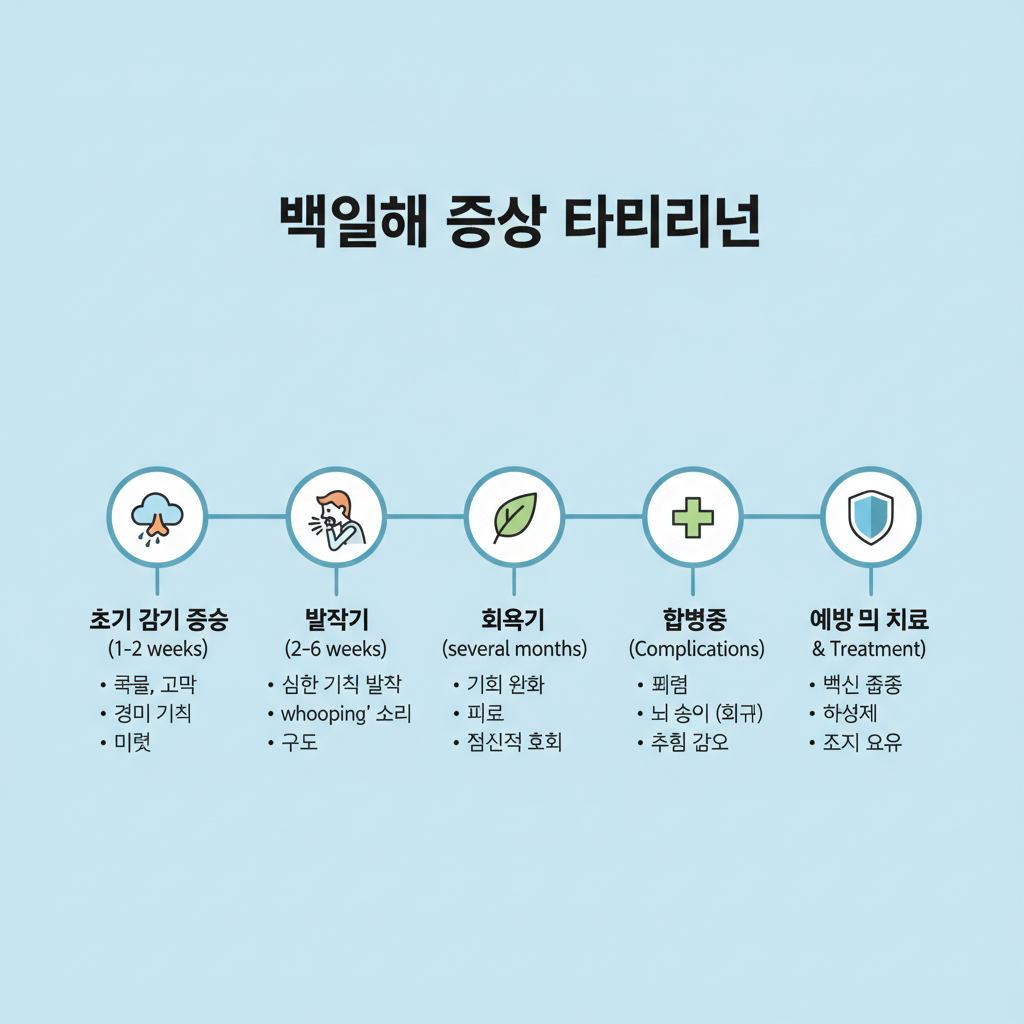
백일해는 기침이나 재채기 때 나오는 비말을 통해 전파됩니다. 같은 집에 살거나, 어린이집·학교·병원처럼 가까운 공간에서 지내면 감염 위험이 커집니다.
특히 위험한 대상은 다음과 같습니다.
- 생후 12개월 미만 영아
- 예방접종을 아직 완료하지 않은 아이
- 임산부와 신생아 가족
- 영유아를 돌보는 조부모, 형제자매, 돌봄 인력
- 만성 호흡기 질환자, 면역저하자
성인은 증상이 가볍거나 오래 가는 기침 정도로 지나갈 수 있습니다. 문제는 성인이나 청소년이 감기처럼 생각하고 지내다가 아직 접종을 완료하지 못한 영아에게 전파할 수 있다는 점입니다.
백일해 증상 단계

백일해는 보통 한 번에 심한 기침으로 시작하지 않습니다. 초기에는 콧물, 재채기, 미열, 가벼운 기침처럼 감기와 비슷합니다. 이 시기를 놓치기 쉬운데, 전염력은 이때도 높습니다.
증상은 대략 세 단계로 설명합니다.
| 단계 | 주요 증상 | 특징 |
|---|---|---|
| 카타르기 | 콧물, 재채기, 미열, 가벼운 기침 | 감기와 비슷하고 전염력이 큼 |
| 발작기 | 연속적인 기침, 숨 들이쉴 때 소리, 기침 후 구토 | 백일해를 의심하게 되는 시기 |
| 회복기 | 기침 빈도 감소, 잔기침 지속 | 몇 주 이상 이어질 수 있음 |
전형적인 백일해에서는 짧은 기침이 여러 번 연속으로 나오고, 기침 뒤에 숨을 급히 들이마시며 “흡” 하는 소리가 날 수 있습니다. 하지만 모든 환자에게 이 소리가 나타나는 것은 아닙니다.
감기와 다른 점
감기는 대개 며칠에서 1~2주 안에 좋아지는 경우가 많습니다. 반면 백일해는 기침이 오래가고, 밤에 심해지거나 발작처럼 몰아서 나올 수 있습니다.
백일해를 의심할 만한 신호는 다음과 같습니다.
- 기침이 2주 이상 지속됨
- 한 번 시작하면 멈추기 어려운 발작성 기침
- 기침 후 구토
- 숨을 들이쉴 때 특이한 소리
- 기침 후 얼굴이 빨개지거나 파래짐
- 영아에서 무호흡, 수유 곤란, 처짐
영아는 전형적인 큰 기침보다 무호흡이나 청색증, 잘 먹지 못함으로 나타날 수 있습니다. 아기가 기침 후 숨을 멈추거나 입술이 파래지면 즉시 진료가 필요합니다.
백일해 전염과 격리

백일해는 초기에 전염력이 높고, 진단이 늦어지기 쉽습니다. 의심 증상이 있으면 마스크를 착용하고 영아·임산부·고위험군과의 접촉을 줄여야 합니다.
격리 기준은 의료진과 보건당국 안내를 따르는 것이 원칙입니다. 일반적으로는 적절한 항생제 치료를 시작한 뒤 5일이 지날 때까지 전염 가능성을 고려합니다. 치료하지 않은 경우에는 기침 시작 후 약 3주까지 전염 가능성이 언급됩니다.
가정에서는 아래를 지켜야 합니다.
- 환자는 가능한 별도 공간에서 지냅니다.
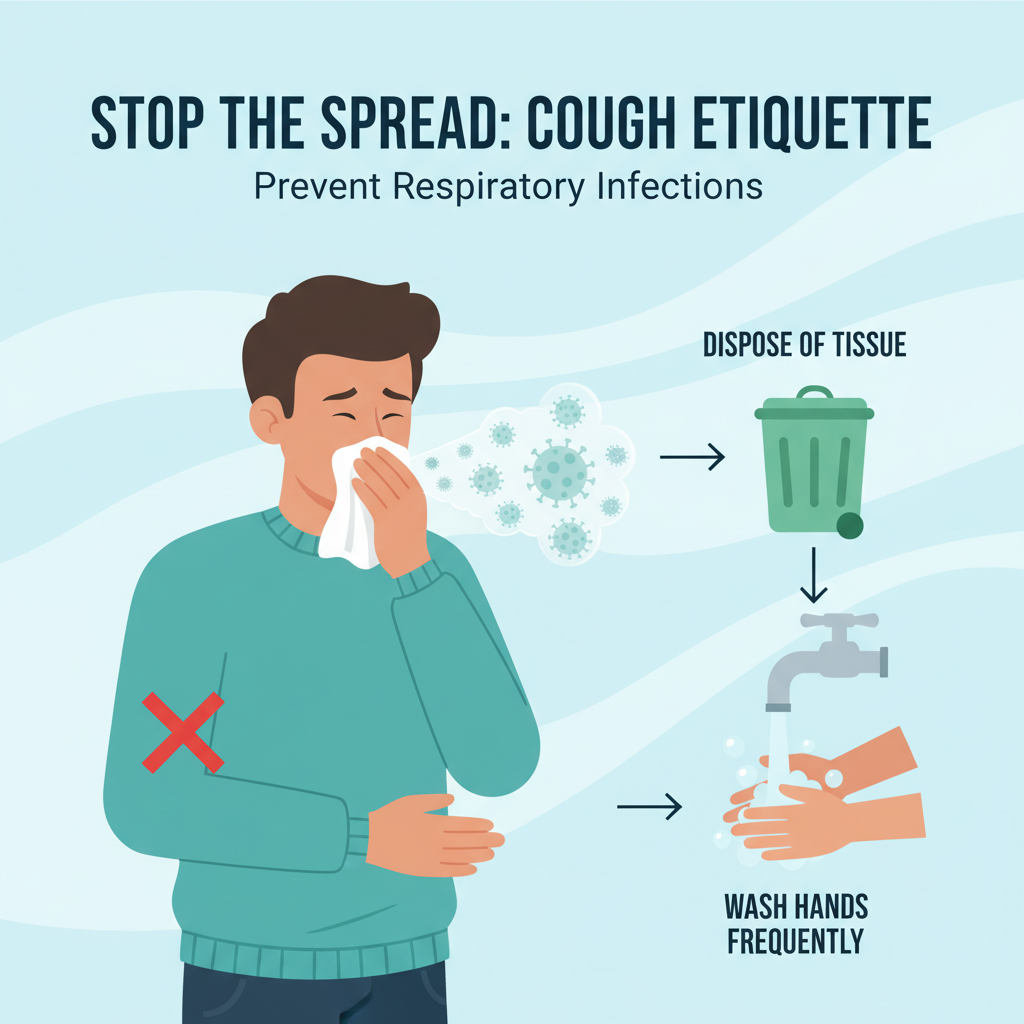
- 기침 예절과 손 씻기를 철저히 합니다.
- 수건, 컵, 식기 공유를 피합니다.
- 집 안에 영아나 임산부가 있으면 즉시 의료기관에 문의합니다.
- 학교·어린이집 등원 여부는 의사와 보건당국 안내를 따릅니다.
백일해 치료

백일해 치료에는 의사의 판단에 따라 항생제가 사용됩니다. 초기, 특히 심한 발작성 기침이 시작되기 전 단계에 치료하면 증상 완화와 전파 차단에 도움이 될 수 있습니다. 이미 기침이 오래 지속된 뒤에는 항생제를 먹어도 기침 자체가 바로 멈추지 않을 수 있습니다.
치료 중에는 다음이 중요합니다.
- 처방받은 항생제를 임의로 중단하지 않습니다.
- 기침이 심한 동안 충분히 쉬고 수분을 보충합니다.
- 영아는 수유량, 호흡, 무호흡 여부를 세심하게 봅니다.
- 기침이 심해 구토가 반복되면 탈수 위험을 확인합니다.
- 가족 중 고위험군이 있으면 접촉자 관리가 필요한지 문의합니다.
기침약이나 감기약으로 백일해를 치료할 수 있는 것은 아닙니다. 특히 영유아에게 일반 감기약을 임의로 먹이는 것은 위험할 수 있으므로 반드시 진료를 받아야 합니다.
합병증과 위험 신호
백일해는 아이가 어릴수록 위험합니다. 생후 6개월 미만 영아는 입원 관찰이 필요할 수 있고, 호흡 문제와 탈수 위험도 큽니다.
바로 진료가 필요한 증상은 다음과 같습니다.
- 숨을 멈추거나 숨쉬기 힘들어함
- 입술이나 얼굴이 파래짐
- 기침 후 반복적으로 구토함
- 수유량이 줄고 소변량이 감소함
- 축 처지거나 깨우기 어려움
- 고열, 경련, 의식 변화
- 기침이 심해 잠을 못 자거나 호흡이 불안정함
성인도 기침이 오래가고 흉통, 호흡곤란, 고열이 동반되면 단순 감기로 넘기지 말아야 합니다.
DTaP와 Tdap 예방접종

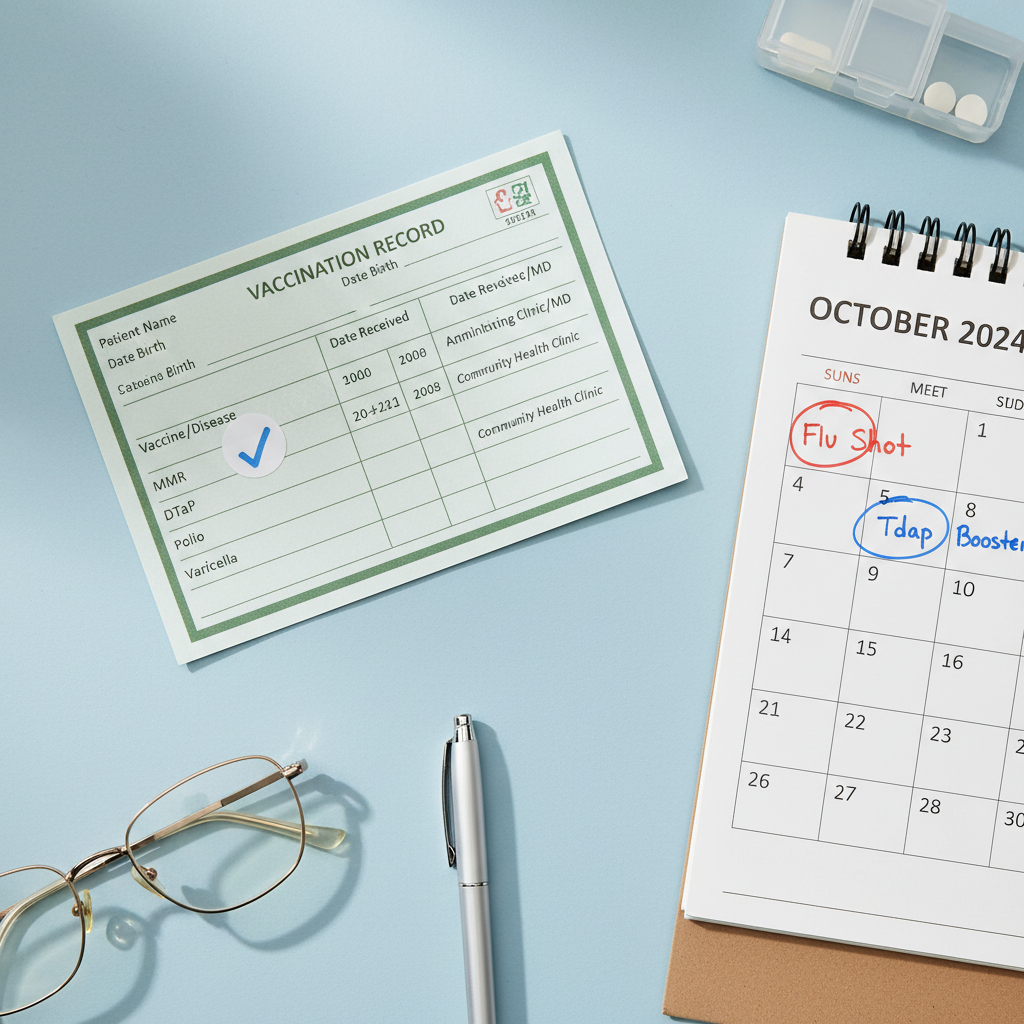
백일해 예방의 핵심은 예방접종입니다. 어린이는 DTaP, 청소년과 성인은 Tdap 또는 Td가 접종 일정에 포함됩니다.
국가예방접종 일정에서 기본적으로 확인할 흐름은 다음과 같습니다.
| 대상 | 접종 |
|---|---|
| 영아 | 생후 2, 4, 6개월 DTaP 기초접종 |
| 유아 | 생후 15~18개월 DTaP 추가접종 |
| 소아 | 만 4~6세 DTaP 추가접종 |
| 청소년 | 만 11~12세 Tdap 또는 Td |
| 성인 | 이후 10년마다 Td 또는 Tdap 접종 여부 확인 |
접종 이력이 불확실하거나 중간에 놓친 경우에는 나이에 맞는 따라잡기 접종이 필요할 수 있습니다. 이때는 예방접종도우미 기록과 의료기관 상담을 통해 확인하는 것이 좋습니다.
임산부와 가족 접종

신생아는 태어나자마자 DTaP 접종을 완료할 수 없습니다. 그래서 엄마와 가족의 예방접종이 중요합니다. 임신 중 Tdap 접종은 태어난 아기를 초기 몇 달 동안 보호하는 데 도움이 될 수 있어, 의료진과 상담해 권장 시기에 맞춰 접종합니다.
신생아를 만날 가족도 아래를 확인하세요.
- 부모, 조부모, 형제자매의 Tdap 접종 이력
- 산후조리원, 돌봄 인력의 접종 여부
- 기침 증상이 있는 사람의 신생아 접촉 제한
- 손 씻기, 마스크 착용, 기침 예절
백일해는 “아이만 맞으면 되는 예방접종”으로 보기 어렵습니다. 아직 접종을 완료하지 못한 아기를 주변 어른들이 함께 보호해야 합니다.
자주 묻는 질문
백일해는 감기와 어떻게 다른가요?
초기에는 감기처럼 시작하지만 기침이 2주 이상 지속되거나, 발작성 기침·기침 후 구토·숨 들이쉴 때 소리가 동반되면 백일해를 의심해야 합니다.
백일해는 얼마나 격리해야 하나요?
보통 적절한 항생제 치료 시작 후 5일이 지날 때까지 전염 가능성을 고려합니다. 치료하지 않은 경우에는 기침 시작 후 약 3주까지 전염될 수 있어 의료진과 보건당국 안내를 따라야 합니다.
백일해 예방접종을 맞아도 걸릴 수 있나요?
가능합니다. 백신은 감염과 중증 위험을 낮추지만 100% 막지는 못합니다. 시간이 지나며 면역이 약해질 수 있어 청소년·성인 추가접종이 중요합니다.
성인도 백일해 검사를 받아야 하나요?
기침이 오래가거나 영아·임산부와 접촉하는 사람이 백일해 의심 증상이 있으면 진료와 검사를 상담하는 것이 좋습니다.
백일해에 걸리면 항생제를 먹으면 바로 낫나요?
초기에 치료하면 전파를 줄이고 증상 완화에 도움이 될 수 있지만, 발작성 기침이 시작된 뒤에는 기침이 바로 사라지지 않을 수 있습니다. 처방과 격리 안내를 지키는 것이 중요합니다.
추가 팁
- 2주 이상 기침이 지속되거나 발작성 기침·기침 후 구토가 있으면 백일해를 의심하고 진료를 받으세요
- 영아, 임산부, 영아와 함께 지내는 가족은 예방접종과 조기 진료가 특히 중요합니다
관련 팁
궁금한 점이 있으신가요?