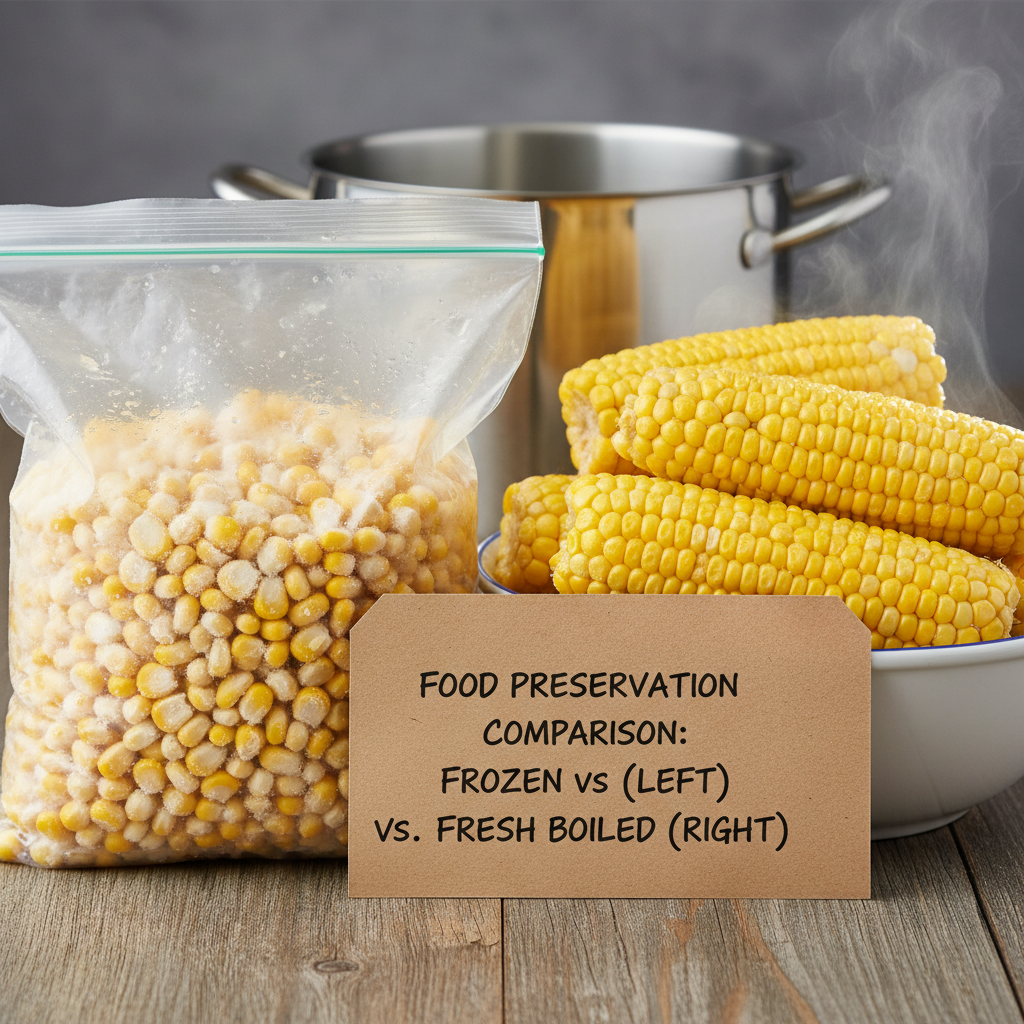
How to Boil Corn
Corn is a popular summer snack enjoyed by many people. In particular, boiling glutinous corn or sweet corn is said to bring out a wonderfully sweet and savory flavor. However, many people find themselves unsure of how to boil corn to get the best taste.
Corn is a popular summer snack enjoyed by many people. In particular, boiling glutinous corn or sweet corn is said to bring out a wonderfully sweet and savory flavor. Many people find themselves unsure of the best way to boil corn when they actually try to do it.
1. Key Points

Boiling corn properly is known to preserve nutrients well and significantly improve the taste. Conversely, boiling it incorrectly can result in tough and flavorless corn, which is why knowing the correct cooking method is considered important. Today, we will take a detailed look at various ways to boil corn deliciously.
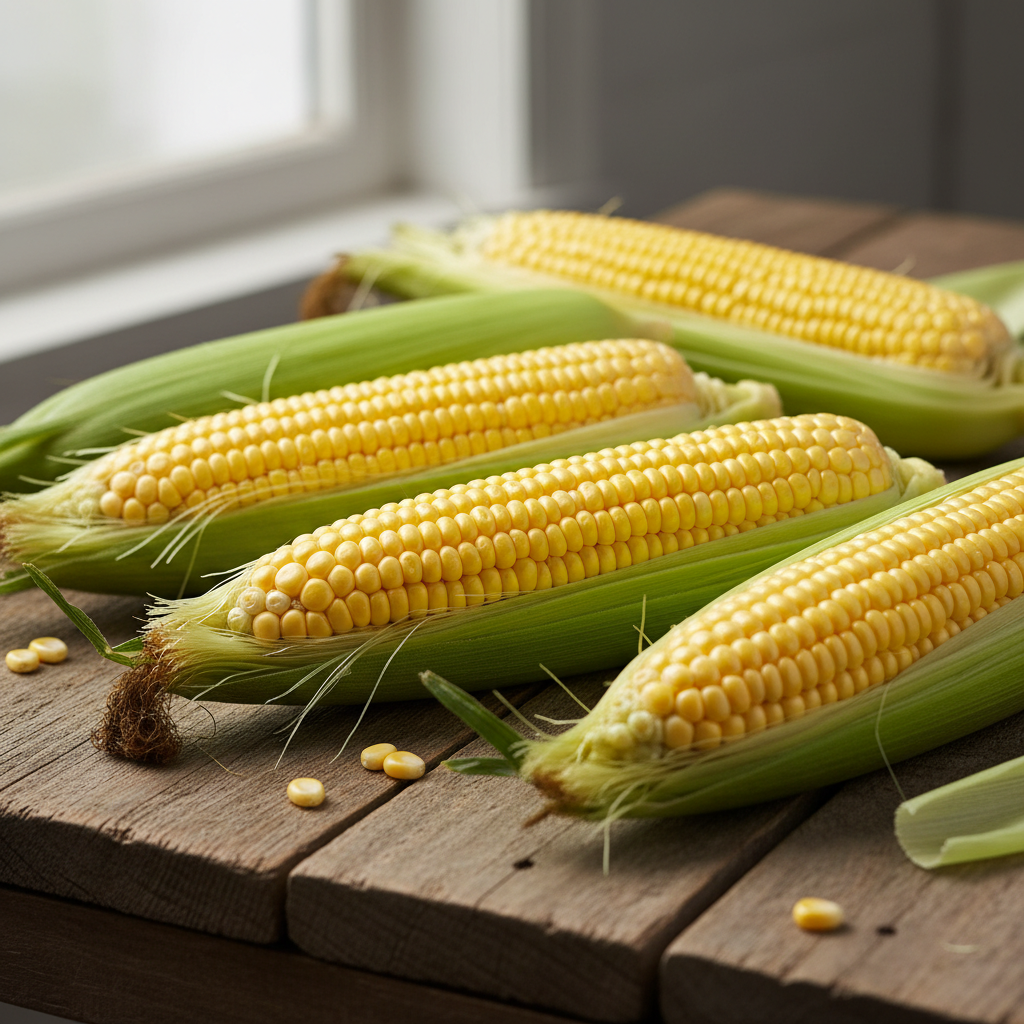
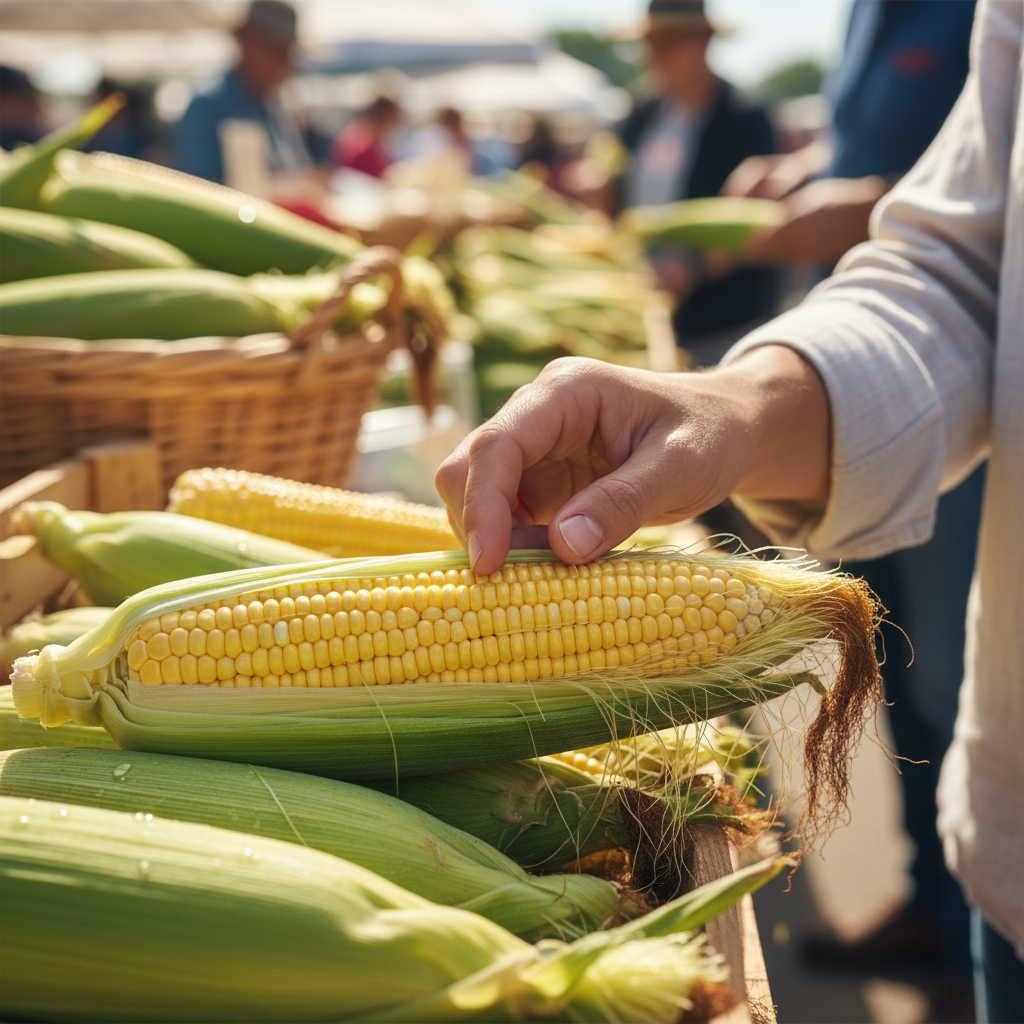
First, it is important to choose fresh corn before boiling. Good corn should have bright green husks and feel moist. You can also tell if corn is fresh by pressing a kernel with your fingernail — if juice comes out, it is fresh.
It is also good to check the corn silk. Silk that is brown yet moist is considered ideal. Silk that is too dry may indicate older corn, so it is best to avoid those ears. Choosing ears with full, evenly packed kernels will also help you enjoy better-tasting corn.
2. Detailed Instructions

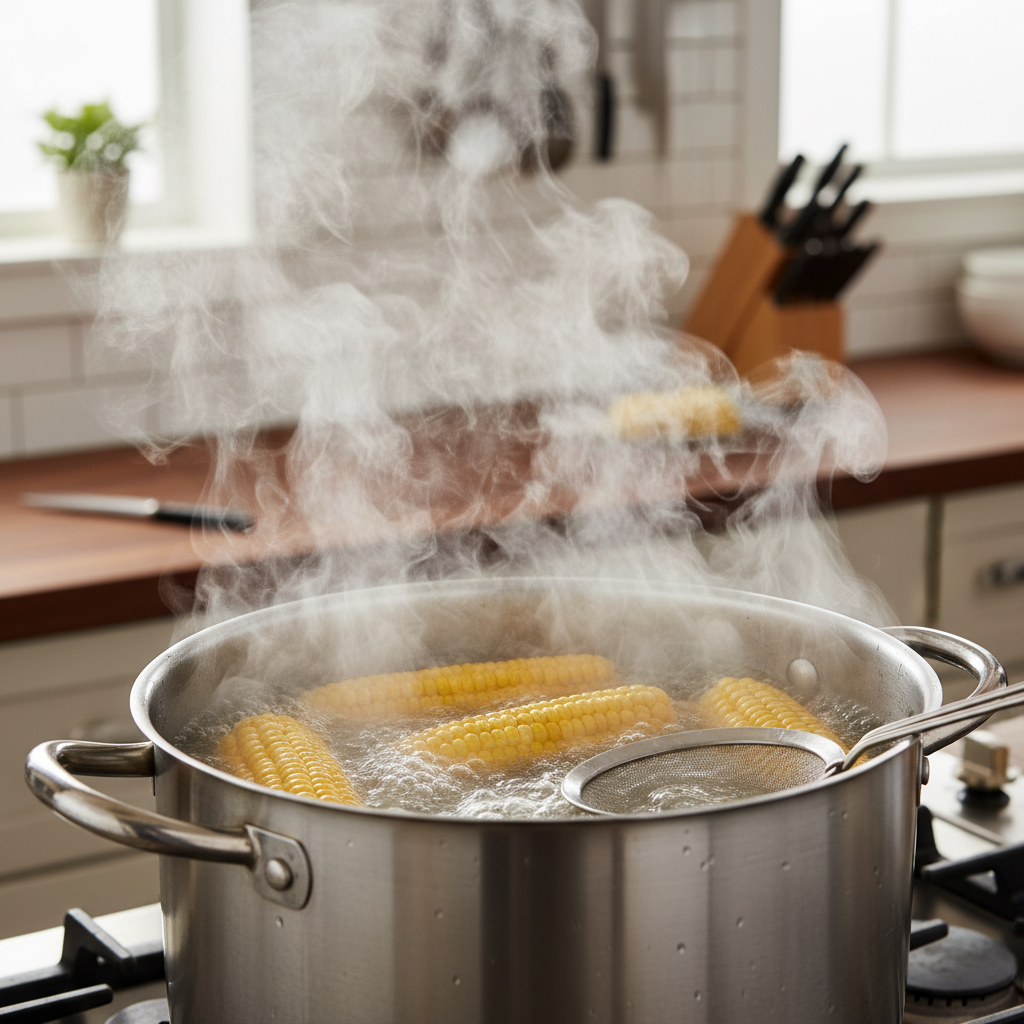
The most basic method of boiling corn is to put plenty of water in a pot and bring it to a boil. It is recommended to remove the outer husks but leave one or two layers of the inner husk. Leaving the inner husk helps retain moisture so the corn comes out more tender and flavorful.
Once the water starts boiling, it is good to add a small amount of salt. Salt is known to enhance the natural sweetness of the corn. About 1 tablespoon of salt per liter of water is appropriate — be careful not to add too much or the corn may turn out salty.
It is best to add the corn after the water has fully come to a boil. Adding corn to cold water and then heating it can make the kernels tough. After placing the corn in boiling water and waiting for the water to come back to a boil, reduce to medium heat and boil for approximately 15 to 20 minutes.
3. How to Use

Cooking time can vary depending on the type and size of corn. Glutinous corn generally needs to be boiled for 20 to 30 minutes to become tender, while sweet corn is usually done in about 15 to 20 minutes. Boiling too long can make the corn tough and destroy nutrients, so it is important to observe the proper timing.
To check whether the corn is done, you can poke it with a fork or chopstick. If it goes in smoothly, the corn is well cooked; if it feels firm, it needs a bit more time. Additionally, when the kernels are plump and the color becomes vibrant, that is a good sign that the corn is done.
Rather than removing boiled corn immediately, it is recommended to turn off the heat and let it rest for about 5 minutes. This allows the residual heat to finish cooking the corn evenly, making it even more delicious. However, leaving it too long can make it mushy, so be mindful of timing.
4. Additional Information

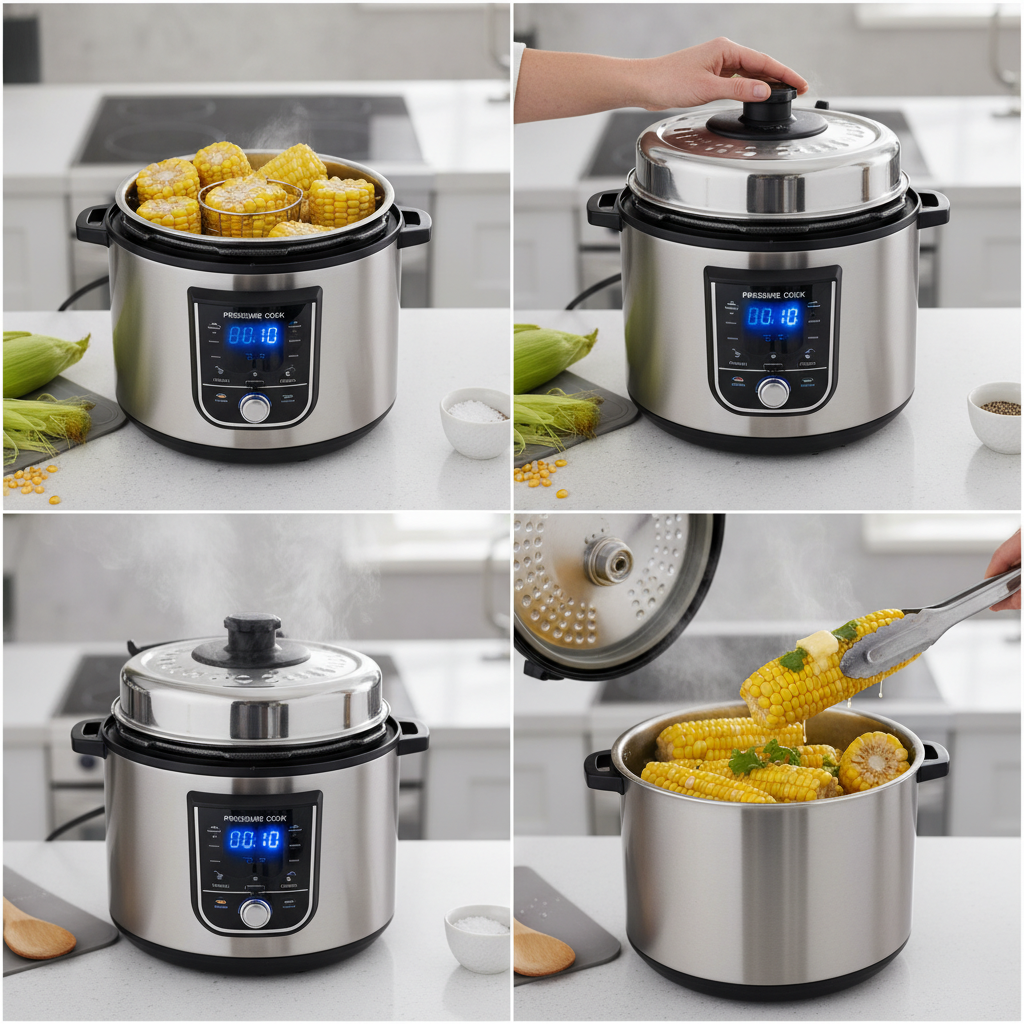
Another method is using a pressure cooker. Place the corn and water in the pressure cooker, close the lid, and once the pressure valve rises, reduce to low heat and cook for about 10 minutes. This method saves time and has the advantage of producing softer corn.
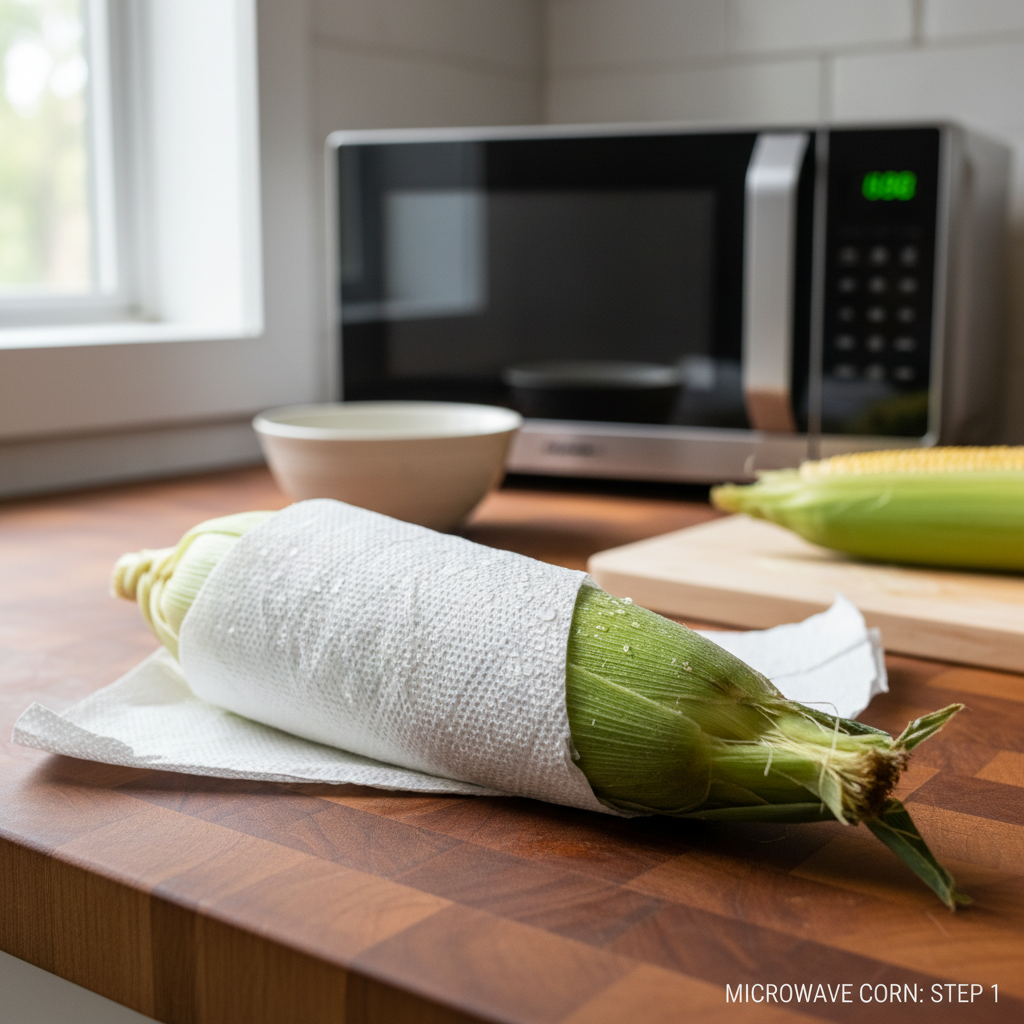
Using a microwave is also a convenient option. Wash the corn thoroughly and wrap it in a damp paper towel. Place it in a microwave-safe container and cook for 5 to 7 minutes. This method is quick and easy but may be difficult for cooking large quantities at once.
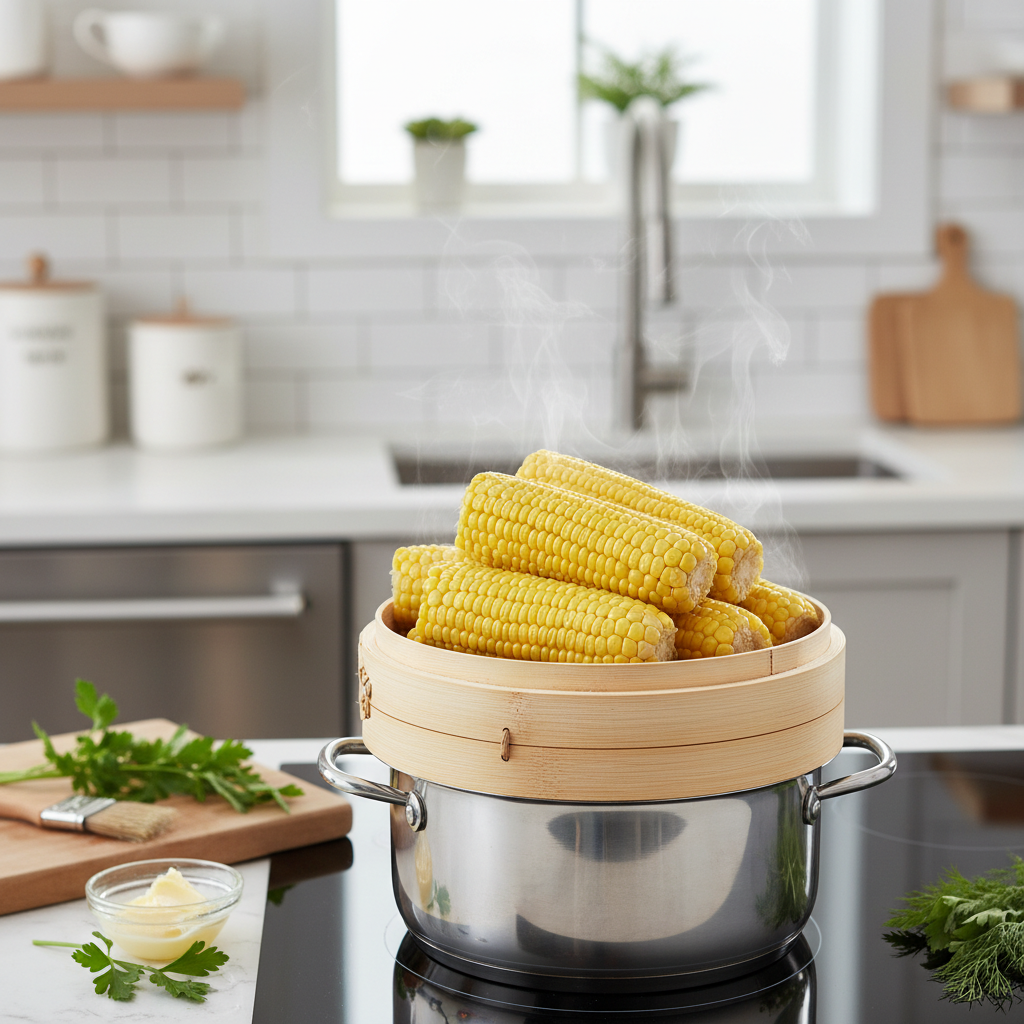
Steaming corn in a steamer is another option. Pour enough water into the steamer, place the corn on top, and steam for about 20 minutes.
5. In-Depth Tips

Steaming has the advantage of minimizing nutrient loss while producing a chewier texture.
Using an air fryer is also possible. Remove all husks from the corn, soak it in water for about 10 minutes, then place it in the air fryer and cook at 180°C (356°F) for about 15 minutes. This method is known to enhance the nutty, savory flavor.
A tip to make corn even more delicious is to add a small amount of milk while boiling. Adding about 1 cup of milk to the water makes the corn creamier and more tender. It is also known to enhance the sweetness.
Adding a little sugar is another good method. Adding about 1 tablespoon of sugar when the water is boiling is said to further accentuate the natural sweetness of the corn. This tip is especially useful when cooking corn that is not very sweet to begin with.
6. Notes

Adding a very small amount of baking soda is known to make the corn's color more vibrant and the texture softer. However, adding too much can affect the taste, so only about 1/4 teaspoon per liter of water is recommended.
Do not throw away the corn silk — it is actually good to boil it together with the corn. The silk contains compounds that support diuretic function, which is beneficial for health, and also adds depth to the corn broth. It is recommended to wash it thoroughly and boil it along with the corn.
When boiling frozen corn, it is best to put it directly into boiling water without thawing first. Thawing beforehand can cause moisture to be lost, reducing the flavor. Frozen corn also generally needs to be boiled a bit longer than fresh corn.
Boiled corn
7. 7th Info

should be allowed to cool completely before storing in a zip-lock bag in the freezer. When ready to eat, heat it in the microwave or briefly dip it in boiling water. If refrigerating, it is best consumed within 2 to 3 days.
One important caution when boiling corn is not to boil it on high heat for too long. High heat for extended periods can make the corn tough and destroy its nutrients. Boiling on medium or medium-low heat for an appropriate amount of time is considered best.
Adjusting cooking time based on the type of corn is also important. Glutinous corn has more starch and needs longer boiling time, while sweet corn has more sugar and cooks in relatively less time. Super-sweet corn (chocdan) needs only about 10 minutes of boiling.
When boiling multiple ears of corn at once, it is best to group ones of similar size together. Different sizes will cook at different rates, meaning some may be undercooked while others are overcooked.
8. 8th Info

The water used to boil corn should not be discarded — it can be reused. The boiling water absorbs nutrients from the corn and can be used as a broth or drunk as a tea. It is particularly known to help reduce swelling during the summer.
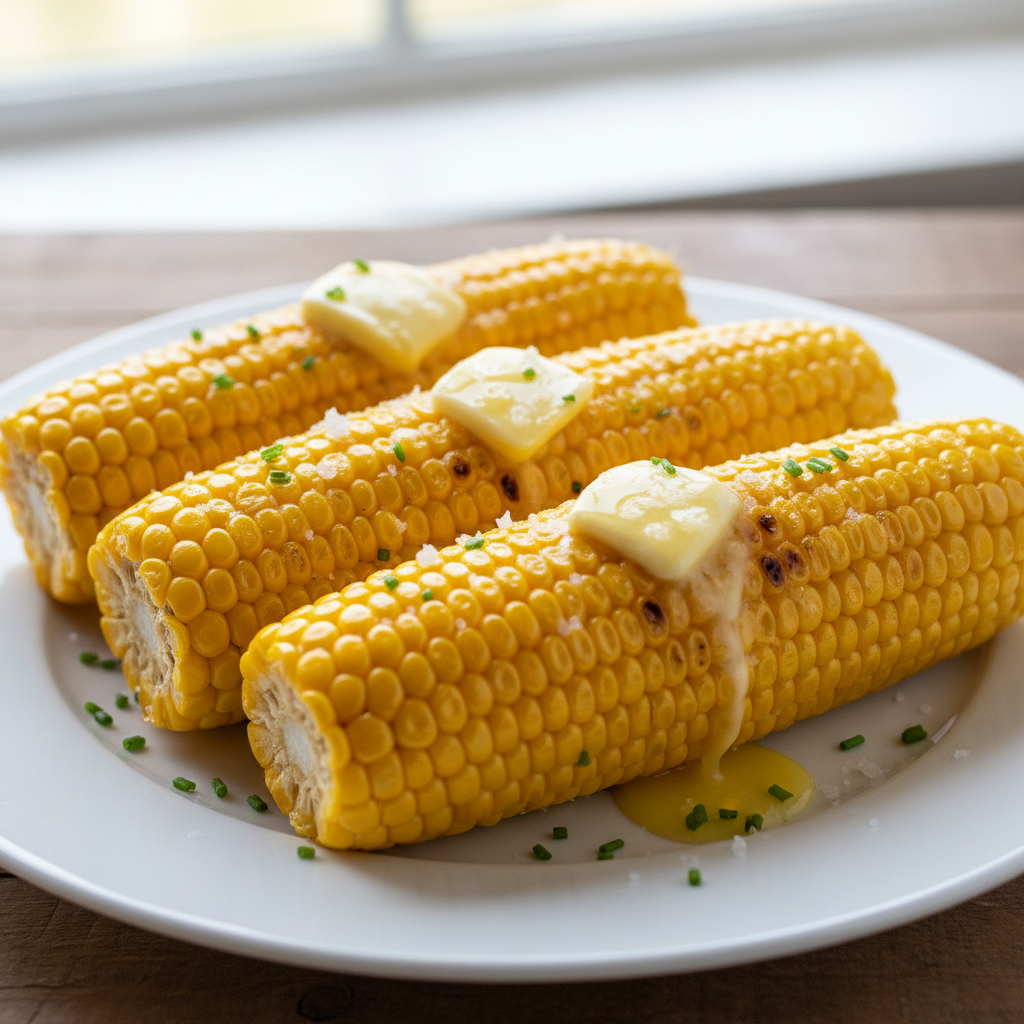
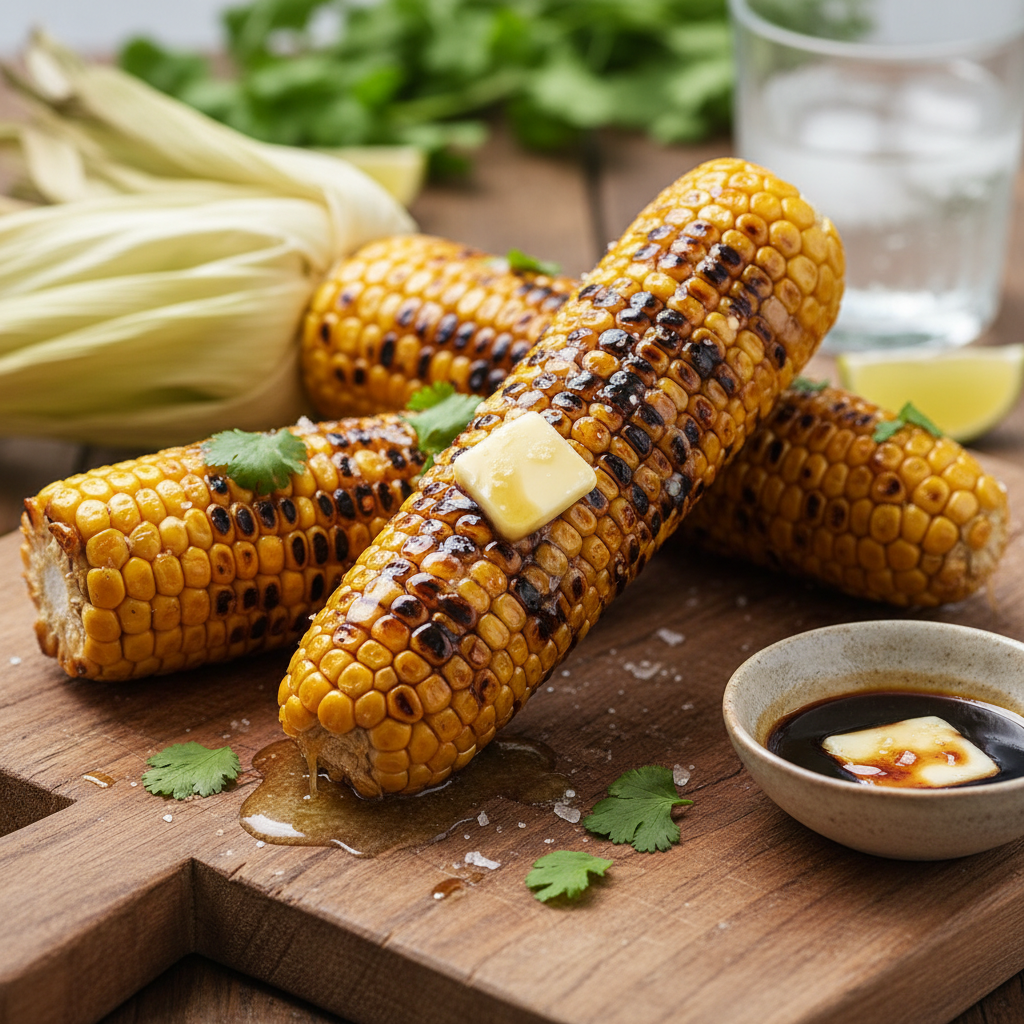
For a more special way to enjoy corn, you can spread butter and sprinkle salt on it. Applying a little butter while it is hot and sprinkling salt on top creates a rich, savory, and slightly salty flavor. Sprinkling cheese powder on top is another way to enjoy a unique twist.
Grilling corn is also a popular cooking method. Brush boiled corn with a sauce made from soy sauce, butter, and sugar, then grill in an oven or
9. 9th Info

an air fryer, or cook in a frying pan for corn that is crispy on the outside and moist on the inside.
Corn is known to be a highly nutritious food rich in protein, dietary fiber, and vitamins. In particular, its high dietary fiber content provides a feeling of fullness and aids digestion, making it a good diet food. It is also rich in antioxidants, which are said to help prevent aging.
The yellow color of corn comes from compounds called lutein and zeaxanthin, which are known to be especially beneficial for eye health. Corn is also rich in folate, making it a good food for pregnant women.
As shown above, there are many different ways to cook corn deliciously. Choose the method that suits your situation and taste and enjoy some delicious corn. Even if you are not skilled at first, with a few tries you will develop your own perfect corn-boiling know-how.
Additional Tips
- For accurate information, please consult a professional.
- For more details, please contact the relevant organization.
Time calculators to use next
Continue with calculators for h:m:s arithmetic, work hours, sleep planning, presentation timing, and world time.
Apply this to your portfolio
Calculate the optimal weights with the rebalancing calculator
Go to Rebalancing CalculatorHave any questions?