
장염 증상 | 설사·복통·구토와 병원 가야 하는 신호
장염 증상은 설사, 복통, 구토, 메스꺼움, 발열, 오한, 두통처럼 나타날 수 있습니다. 장염과 식중독, 노로바이러스, 염증성 장질환을 구분할 때 봐야 할 신호와 병원에 가야 하는 위험 증상을 정리했습니다.

장염 증상 | 설사·복통·구토와 병원 가야 하는 신호 확인 후 바로 할 일
장염 증상은 설사, 복통, 구토, 메스꺼움, 발열, 오한, 두통처럼 나타날 수 있습니다. 장염과 식중독, 노로바이러스, 염증성 장질환을 구분할 때 봐야 할 신호와 병원에 가야 하는 위험 증상을 정리했습니다.
- 장염은 설사와 복통이 흔하지만 구토, 발열, 오한, 근육통이 함께 나타날 수 있습니다
- 혈변, 심한 탈수, 고열, 반복되는 복통은 단순 장염이 아닐 수 있어 진료가 필요합니다
관련 도구와 가이드 바로가기
장염 증상은 보통 설사와 복통으로 시작하지만, 원인에 따라 구토, 메스꺼움, 발열, 오한, 근육통, 두통까지 함께 나타날 수 있습니다. 서울대학교병원과 서울아산병원 질환 정보에서도 급성 장염과 노로바이러스 장염의 주요 증상으로 설사, 복통, 구토, 발열 같은 증상을 설명합니다.
문제는 배가 아프다고 모두 장염은 아니라는 점입니다. 식중독, 노로바이러스, 과민성장증후군, 맹장염, 크론병·궤양성 대장염 같은 질환도 복통과 설사로 시작할 수 있습니다. 증상 조합과 위험 신호를 같이 봐야 합니다.
장염 증상 핵심 정리
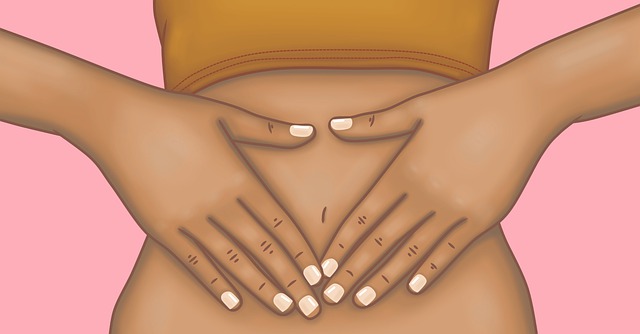
장염은 위와 장에 염증이 생겨 소화와 수분 흡수가 흔들리는 상태입니다. 그래서 배가 아프고 화장실을 자주 가며, 심하면 물만 마셔도 바로 설사가 나오는 느낌이 들 수 있습니다.
| 증상 | 흔한 양상 |
|---|---|
| 설사 | 묽은 변, 물설사, 잦은 배변 |
| 복통 | 배가 쥐어짜듯 아프거나 꾸르륵거림 |
| 구토·메스꺼움 | 음식을 먹기 어렵고 속이 울렁거림 |
| 발열·오한 | 몸살처럼 춥고 열이 남 |
| 두통·근육통 | 바이러스성 장염에서 함께 나타날 수 있음 |
| 복부팽만 | 가스가 차고 더부룩함 |
| 탈수 | 입마름, 어지러움, 소변 감소, 심한 무기력 |
가벼운 장염은 하루 이틀 사이에 좋아지기도 하지만, 탈수가 생기면 회복이 늦어지고 위험해질 수 있습니다.
초기 증상과 진행 양상
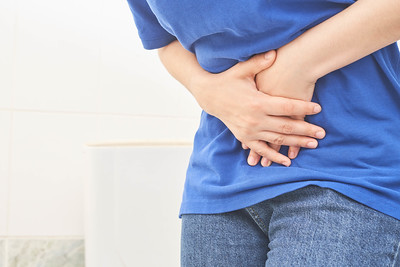
장염은 갑자기 시작되는 경우가 많습니다. 특히 오염된 음식이나 물, 바이러스 접촉 뒤 몇 시간에서 며칠 사이에 증상이 나타날 수 있습니다.
| 단계 | 나타날 수 있는 변화 |
|---|---|
| 시작 | 속이 불편하고 배가 꾸르륵거림 |
| 진행 | 복통과 설사가 반복됨 |
| 심해짐 | 구토, 발열, 오한, 두통이 동반될 수 있음 |
| 탈수 위험 | 어지러움, 입마름, 소변 감소, 기운 빠짐 |
| 회복 | 설사 횟수가 줄고 식사가 조금씩 가능해짐 |
설사와 구토가 같이 나타나는 경우도 흔합니다. 바이러스나 세균을 몸 밖으로 배출하는 과정에서 위쪽으로는 구토, 아래쪽으로는 설사가 동시에 나타날 수 있습니다.
원인별로 다른 장염 증상
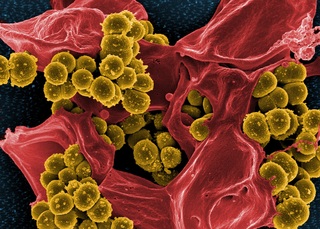
장염은 원인에 따라 증상의 무게가 달라집니다.
| 원인 | 특징 |
|---|---|
| 바이러스성 장염 | 설사, 구토, 미열, 몸살 느낌이 흔함 |
| 노로바이러스 | 구토와 설사가 갑자기 심하고 전염력이 강함 |
| 세균성 장염 | 고열, 심한 복통, 혈변 또는 점액변이 나타날 수 있음 |
| 식중독 | 같은 음식을 먹은 사람에게 비슷한 증상이 함께 나타날 수 있음 |
| 약물·항생제 관련 설사 | 최근 항생제 복용 뒤 설사가 이어질 수 있음 |
| 만성 염증성 장질환 | 설사와 복통이 반복되고 혈변, 체중 감소가 동반될 수 있음 |
여름에는 세균성 식중독이 늘기 쉽고, 겨울에는 노로바이러스 장염이 흔하게 언급됩니다. 하지만 계절만으로 원인을 확정할 수는 없습니다.
장염과 헷갈리는 질환

네이버 건강 소식에서도 “단순 장염인 줄 알았는데 크론병”, “혈변·체중 감소가 있으면 다른 질환 의심” 같은 콘텐츠가 함께 노출됩니다. 반복되는 복통과 설사를 단순 장염으로만 보면 진단이 늦어질 수 있습니다.
| 의심 상황 | 확인해야 할 질환 예시 |
|---|---|
| 오른쪽 아랫배 통증이 점점 심해짐 | 충수염, 흔히 말하는 맹장염 |
| 혈변·체중 감소·야간 설사 | 크론병, 궤양성 대장염 등 염증성 장질환 |
| 기름진 음식 뒤 오른쪽 윗배 통증 | 담낭·담도 질환 |
| 반복 설사와 복통이 스트레스와 연관 | 과민성장증후군 가능성 |
| 항생제 복용 뒤 심한 설사 | 항생제 관련 장염 가능성 |
복통 위치가 한곳으로 점점 고정되거나, 배를 누르면 심하게 아프거나, 열과 혈변이 있으면 장염이라고 단정하지 말고 진료를 받아야 합니다.
병원에 가야 하는 장염 증상

아래 증상이 있으면 집에서 기다리기보다 병원 진료가 필요합니다.
- 피가 섞인 설사 또는 검은 변
- 38.5도 이상의 고열이 지속됨
- 물을 마셔도 계속 토함
- 소변량이 줄고 입이 마르며 어지러움
- 심한 무기력, 의식이 멍한 느낌
- 복통이 점점 심해지거나 한쪽에 고정됨
- 설사가 2~3일 이상 심하게 지속됨
- 영유아, 고령자, 임산부, 면역저하자에게 발생
- 최근 해외여행, 단체 식중독 의심, 덜 익힌 해산물 섭취 이력이 있음
장염 치료는 원인과 상태에 따라 달라집니다. 바이러스성 장염은 수분 보충과 휴식이 중심이고, 세균성 장염이나 탈수가 심한 경우에는 검사, 수액, 약 처방이 필요할 수 있습니다. 항생제는 모든 장염에 필요한 약이 아니므로 의사 판단 없이 복용하지 않는 것이 좋습니다.
집에서 지켜볼 때 관리법
증상이 가볍고 위험 신호가 없다면 아래 원칙을 지키며 회복을 봅니다.
- 물이나 경구수분보충액을 조금씩 자주 마십니다.
- 구토가 심하면 한 번에 많이 마시지 말고 한두 모금씩 시작합니다.
- 구토가 줄면 미음, 죽, 바나나, 토스트처럼 부드러운 음식을 소량 먹습니다.
- 술, 카페인, 유제품, 매운 음식, 기름진 음식은 피합니다.
- 손 씻기와 화장실 위생을 철저히 해 가족 전파를 줄입니다.
- 증상과 체온, 설사 횟수, 소변량을 메모합니다.
자주 묻는 질문
장염 증상은 보통 며칠 가나요?
가벼운 급성 장염은 며칠 내 좋아지는 경우가 많습니다. 다만 설사가 심하거나 탈수 증상이 있거나 2~3일 이상 호전이 없으면 진료를 받아야 합니다.
장염에 걸리면 꼭 열이 나나요?
아닙니다. 열 없이 설사와 복통만 나타날 수도 있습니다. 반대로 고열과 오한, 혈변이 있으면 세균성 감염이나 다른 질환 가능성을 확인해야 합니다.
장염과 식중독은 다른가요?
식중독은 오염된 음식이나 물 때문에 생기는 질환이고, 그 결과 장염 증상이 나타날 수 있습니다. 같은 음식을 먹은 여러 사람이 비슷한 시간대에 아프면 식중독 가능성이 커집니다.
설사가 멈추지 않으면 지사제를 먹어도 되나요?
상황에 따라 다릅니다. 피가 섞인 설사, 고열, 세균성 식중독 의심, 심한 복통이 있으면 임의로 지사제를 먹지 말고 진료를 받는 것이 안전합니다.
장염 증상은 흔하지만, 흔하다고 모두 가볍지는 않습니다. 설사와 복통만 보는 것이 아니라 탈수, 혈변, 고열, 통증 위치, 증상 지속 기간을 함께 확인해야 안전하게 회복할 수 있습니다.
추가 팁
- 장염은 설사와 복통이 흔하지만 구토, 발열, 오한, 근육통이 함께 나타날 수 있습니다
- 혈변, 심한 탈수, 고열, 반복되는 복통은 단순 장염이 아닐 수 있어 진료가 필요합니다
관련 팁
궁금한 점이 있으신가요?