Glutathione
As interest in health has grown, many people have become curious about glutathione. Particularly well known for its skin-brightening and antioxidant effects, glutathione is increasingly being administered by injection at clinics or consumed as a dietary supplement.
As interest in health has grown, many people have become curious about glutathione. Particularly well known for its skin-brightening and antioxidant effects, glutathione is increasingly being administered by injection at clinics or taken as a health supplement. In this article, we will take a closer look at what glutathione is, what benefits it offers, and how to take it properly.
1. Key Points

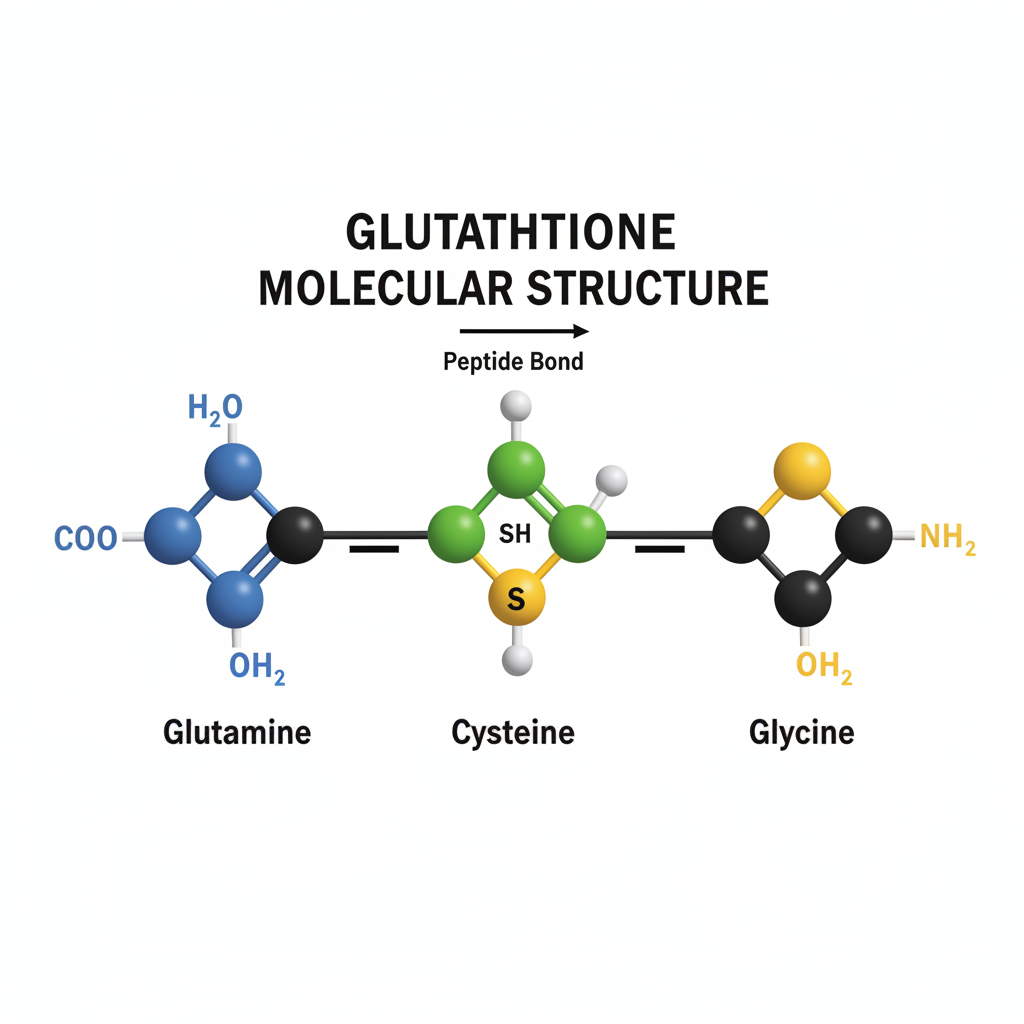
Glutathione is known to be a powerful antioxidant that is naturally produced in the body. It is composed of three amino acids — glutamine, cysteine, and glycine — and is found in virtually every cell in the body. It is particularly concentrated in the liver, where it plays a crucial role in the body's detoxification process.
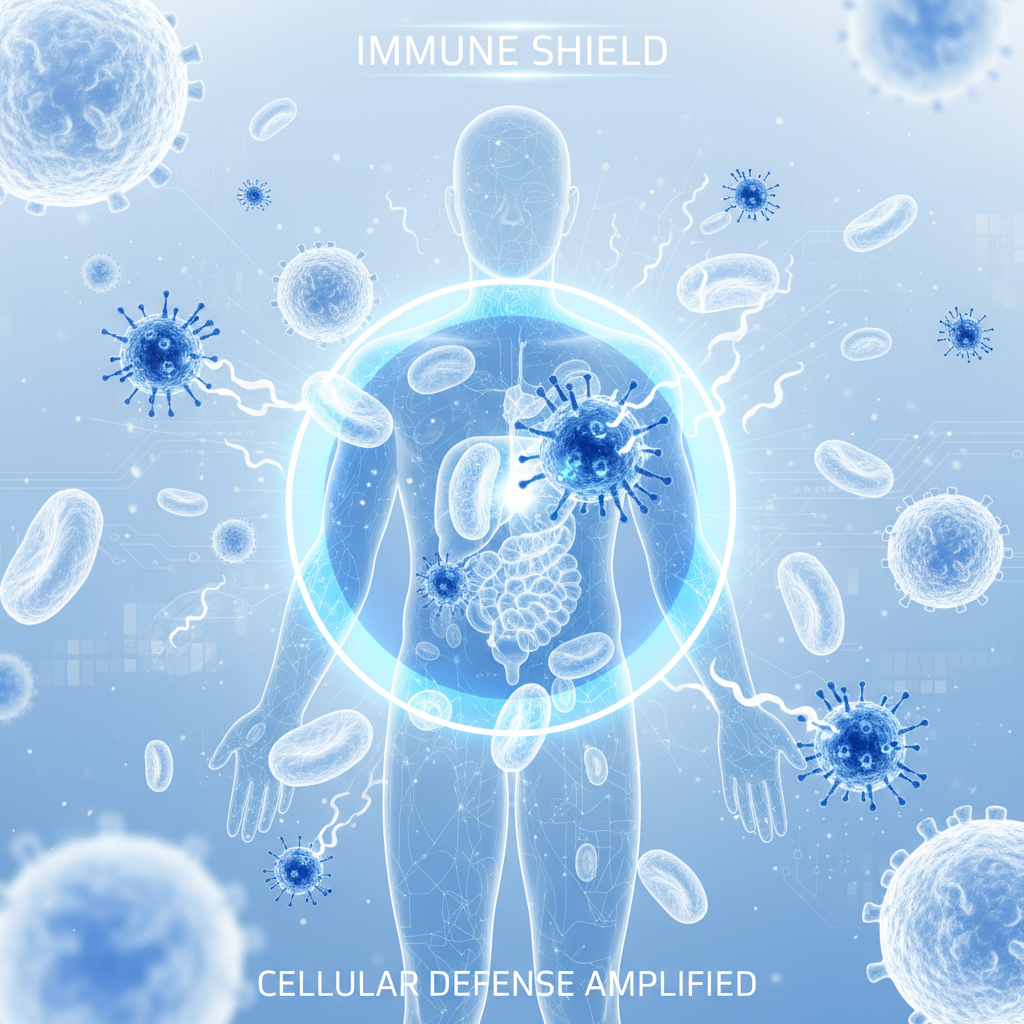
Many people associate glutathione only with skin brightening, but in fact its functions are far more diverse and important. Glutathione is one of the most potent antioxidants in the body, known for neutralizing free radicals and preventing cellular damage. It also strengthens the immune system and improves liver function, making it an essential substance for maintaining overall health.
The most widely recognized benefit of glutathione is its skin-whitening effect. Glutathione is known to inhibit the production of melanin pigment, resulting in a brighter skin tone. This effect
2. Detailed Explanation

has made it popular among celebrities under names such as "White Jade Injection" and "Cinderella Injection," with many dermatology and plastic surgery clinics now offering the treatment.
The antioxidant function is also one of glutathione's important roles. Free radicals are generated in the body during normal metabolic processes, and when they accumulate excessively, they can damage cells and accelerate aging. Glutathione is known to neutralize these free radicals, protecting cells and slowing down the aging process.
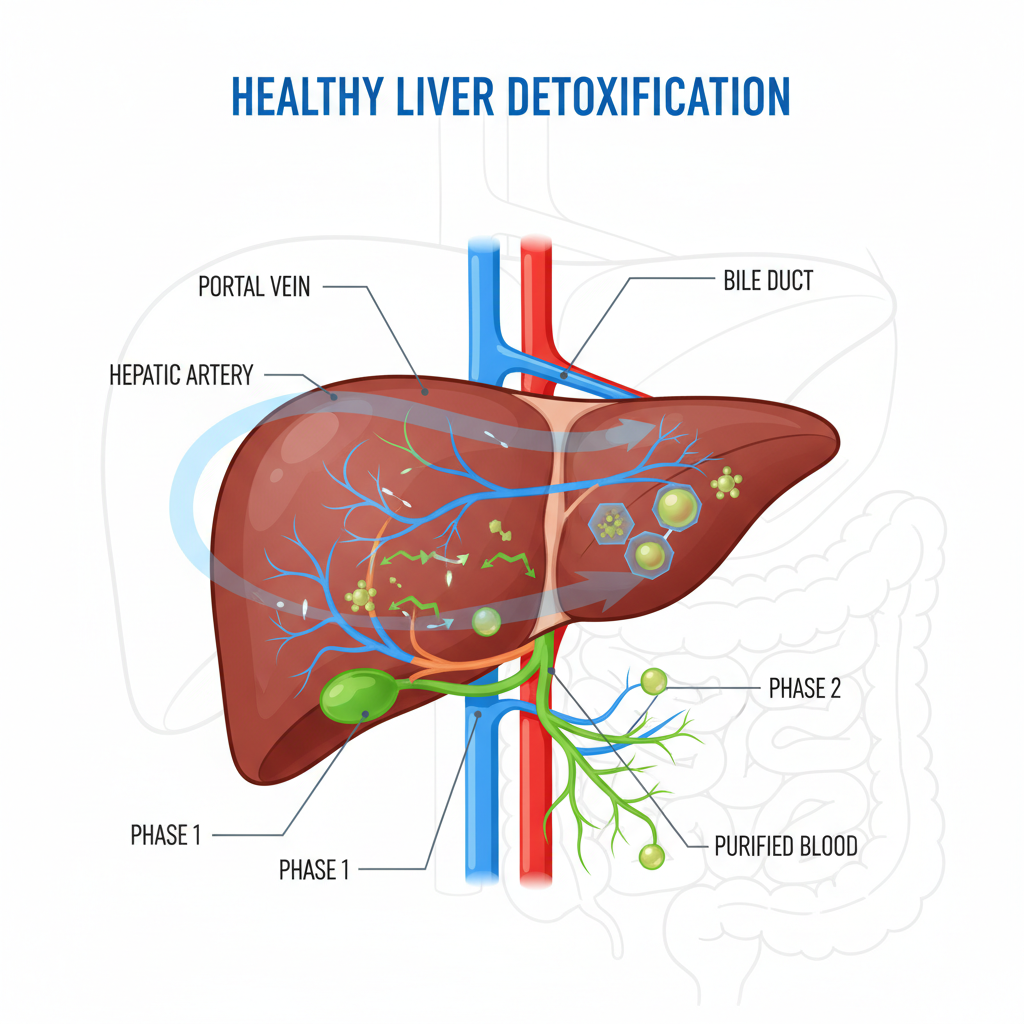
Glutathione is also considered very important for liver health. The liver is the organ responsible for detoxification, and glutathione is directly involved in the process of neutralizing and eliminating toxins in the liver. In particular, for those who frequently consume alcohol or take medications, glutathione is thought to help protect liver cells and maintain liver function.
Immune system support is another key benefit of glutathione.
3. How to Use

Glutathione is known to strengthen the function of white blood cells and promote the activity of immune cells, helping the body fight off disease more effectively. It is particularly noted that glutathione supplementation may be beneficial for people with chronic illnesses or weakened immune systems.
Glutathione is also considered effective for enhancing athletic performance. It is known to eliminate free radicals generated during exercise, thereby reducing muscle fatigue and speeding up recovery. As a result, glutathione supplements have become popular among athletes and those who exercise regularly.
So how should glutathione be taken? The most common method is intravenous injection administered at a clinic. Intravenous delivery is known to have a high absorption rate and to produce effects quickly. Typically administered one to two times per week, the frequency and dosage can be adjusted based on individual conditions.
4. Additional Information

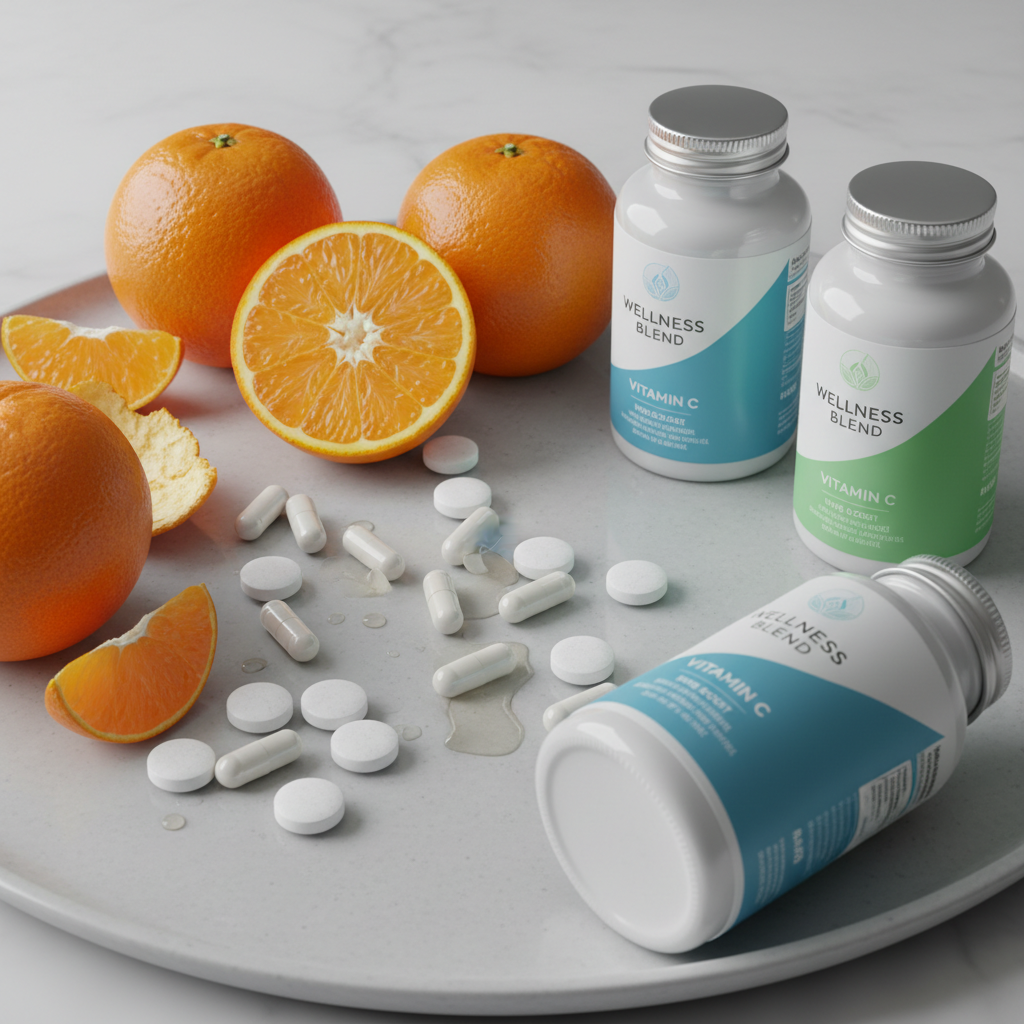
Oral glutathione supplements are also widely used. Available in tablet or capsule form, they are convenient to take, but are known to have a lower absorption rate due to breakdown in the gastrointestinal tract. To address this drawback, liposomal-coated products and sublingual tablets have also been developed and released.
More recently, inhaled glutathione products have also appeared on the market. This method delivers glutathione directly through the lungs into the bloodstream, offering less invasiveness than injections while achieving higher absorption rates than oral supplementation. However, as this approach is not yet widely established, more research is still needed.
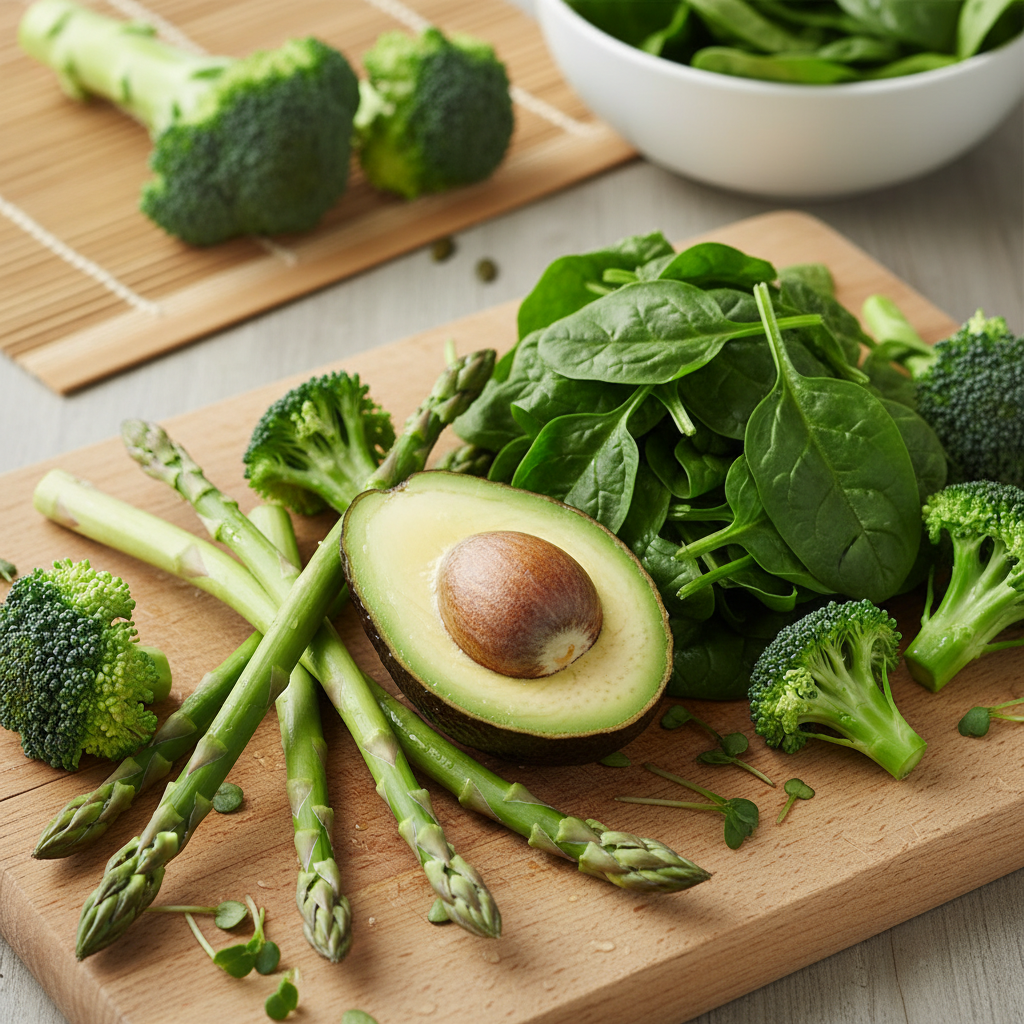
Glutathione can also be obtained through food. Green vegetables such as asparagus, avocado, spinach, and broccoli are known to be rich in glutathione. Consuming sulfur-containing foods that support glutathione synthesis — such as garlic, onions, and
5. In-Depth Content

cruciferous vegetables — is also recommended.
There are also precautions to be aware of when taking glutathione. Excessive intake can cause side effects, including abdominal pain, diarrhea, and rashes. Asthma patients in particular should be cautious, as symptoms may worsen. It is therefore important to adhere to appropriate dosages.
Glutathione injections should be administered under the supervision of qualified medical professionals. There are reports of non-medical personnel performing the procedure, which carries risks of infection and adverse reactions — it is essential that injections be received only at licensed medical institutions. Allergic reactions after injection are also possible, so caution is advised when receiving it for the first time.
Pregnant or breastfeeding individuals should consult a doctor before taking glutathione. This is because sufficient research on the safety of glutathione during pregnancy and breastfeeding has not yet been conducted.
6. Reference Notes

Consumption through natural foods is considered safe, but high-dose supplements or injections are best avoided.
To enhance the effects of glutathione, it is recommended to take it alongside vitamin C. This is because vitamin C helps convert oxidized glutathione back into its active form. Selenium is also known to play an important role in glutathione metabolism, so taking them together may produce a synergistic effect.
Lifestyle habits that naturally boost glutathione levels are also important. Regular exercise is known to promote the body's production of glutathione, and adequate sleep is also helpful in maintaining glutathione levels. Conversely, stress, smoking, and excessive alcohol consumption deplete glutathione and should be avoided.
When selecting glutathione products, quality should be carefully verified. It is important to check whether the product has received regulatory approval, whether the manufacturing process is transparent, and whether the glutathione content is clearly stated.
7. 7th Information

Reading product reviews and consulting expert opinions is also a good approach.
The effects of glutathione vary significantly between individuals. Some people notice an improvement in skin tone within a few weeks, while others may take several months. Since the timing of effects depends on multiple factors — including baseline glutathione levels, lifestyle, age, and health status — consistent supplementation is considered important.
Recent research suggests that glutathione may also help prevent neurodegenerative diseases. Since glutathione levels are often found to be low in patients with Parkinson's disease and Alzheimer's disease, it has been proposed that glutathione supplementation may help prevent or slow the progression of these conditions.
Glutathione may also be beneficial for diabetic patients. Research indicates that glutathione can improve insulin resistance and assist in blood sugar regulation. It may also be effective in preventing diabetes-related complications, and related studies are ongoing.
8. 8th Information

Glutathione also plays an important role in respiratory health. In the lungs, glutathione is known to protect lung tissue from inhaled toxins and pollutants. Particularly for those with respiratory conditions such as chronic obstructive pulmonary disease (COPD) or asthma, maintaining adequate glutathione levels may help with symptom management.
Glutathione is also thought to have a positive effect on cardiovascular health. It is known to protect the endothelial cells of blood vessels and reduce inflammation, helping to prevent atherosclerosis. It may also inhibit the oxidation of LDL cholesterol, thereby lowering the risk of heart disease.
The body's ability to produce glutathione is known to decline with age. Glutathione levels are reported to decrease significantly starting in the 40s, which is closely linked to the aging process. Therefore, from middle age onward, it is recommended to consciously supplement glutathione or maintain dietary habits that promote its production.
9. 9th Information

Glutathione is also reported to be effective in detoxifying heavy metals. Heavy metals such as mercury, lead, and cadmium can cause various health problems when they accumulate in the body. Glutathione is thought to bind to these heavy metals and facilitate their elimination through a chelation process.
The use of glutathione in the field of sports medicine is also increasing. Reports indicate that it helps with recovery after intense exercise, improves athletic performance, and accelerates injury recovery. In particular, many studies have found that glutathione supplementation is beneficial for endurance athletes.
Research on glutathione is continuing, and new benefits are being discovered on an ongoing basis. Its potential as a complementary therapy in cancer treatment, its role in managing autoimmune diseases, and its applications in treating
10. 10th Information

skin conditions are among the areas currently being researched, and it is expected that even more applications will emerge in the future.
As interest in glutathione has grown, related products have become increasingly diverse. However, rather than taking supplements indiscriminately, it is important to accurately assess one's own health condition and consult with a specialist to choose the most appropriate method. By maintaining a healthy diet and lifestyle as a foundation and supplementing with glutathione as needed, it is believed that one can enjoy a healthier and more energetic life.
Glutathione is not simply a cosmetic ingredient — it is an important substance that protects overall health. In addition to its skin-brightening effects, it serves many functions including antioxidation, detoxification, and immune support. It is worthwhile to pay attention to glutathione from the perspective of overall health management. With accurate information and the right approach tailored to individual needs, the many benefits of glutathione can be experienced.
Additional Tips
- For accurate information, consult with a specialist.
- For more detailed information, please contact the relevant authorities.
Time calculators to use next
Continue with calculators for h:m:s arithmetic, work hours, sleep planning, presentation timing, and world time.
Apply this to your portfolio
Calculate the optimal weights with the rebalancing calculator
Go to Rebalancing CalculatorHave any questions?