Stagflation
The global economy is widely considered to be in a period of stagnation. Meanwhile, prices and interest rates continue to rise day by day, and many are now concerned that ‘stagflation’ may be on its way...
The global economy is widely regarded as being in a period of stagnation. Meanwhile, prices and interest rates continue to rise day by day, and some are expressing concern that ‘stagflation’ may be approaching. In particular, those who experienced the economic downturn of the 1970s may find this fear all the more resonant. Let’s take a closer look at exactly what stagflation is and why we should pay attention to it.
Key Points
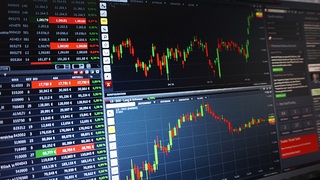
What is Stagflation? Stagflation is a portmanteau of two words. It combines stagnation, which refers to an economic slump, and inflation, which refers to rising prices. In other words, it describes the situation where two economic disasters—economic stagnation and rising prices—overlap, leading to a severe economic downturn. When an economy stagnates, money is typically injected into circulation and interest rates are cut. As money begins to flow into the market, business investment increases and employment rates rise, which in turn drives economic recovery. If this process goes wrong, however, the excess money supply causes prices to rise sharply. At the same time, economic growth slows and produces poor results. Companies, unable to generate good profits, reduce the wages they pay workers, and the market naturally contracts—creating a vicious cycle of hardship for businesses.
Detailed Explanation

This contraction and the cycle of companies struggling is what we call an economic recession, or stagflation. Historically Recorded Stagflation The first historically documented stagflation occurred in 1974. At that time, oil prices rose sharply over a four-month period starting in October due to the Middle East war. The Organization of Petroleum Exporting Countries restricted oil supplies to the United States, the United Kingdom, Canada, and other nations simply because they had expressed support for Israel during the Yom Kippur War between Arab nations and Israel. This caused oil prices to spike and triggered stagflation. Oil prices surged 300% in a single year, and as the prices of other goods were also impacted, companies began laying off workers. Unemployment during this period reached enormous levels. Korea experienced a bout of stagflation in the early 1990s. At the time, the so-called “three lows boom”—low oil prices, low interest rates, and a weak won—was coming to an end, which had raised public expectations for continued economic prosperity.
How to Apply

As this boom era ended, real estate speculation and workers demanding wage increases contributed to the onset of stagflation. The Bank of Korea has stated that the probability of stagflation hitting Korea is low. However, if interest rates rise and unemployment increases, social resistance could grow, and the damage could fall disproportionately on more vulnerable groups such as the MZ generation and small business owners—making this a period that warrants caution. Outlook? Normally, when prices rise, the response is to pull money back out of circulation or raise bank interest rates to prevent prices from rising further. Businesses reduce investment, and people are encouraged to save more rather than spend. While economic experts say stagflation is not yet a current reality, the prevailing view is that if the U.S. economy continues on its current trajectory, it will eventually be unavoidable.
Additional Information
Will Stagflation Return? Fed Chair Jerome Powell has emphasized the importance of employment. This is because what drives the economy is labor and productive capacity. As employment increases and unemployment falls, the situation can be managed through tapering (a strategy of gradually reducing the side effects on the economy) or interest rate hikes. President Biden was continuing to plan major infrastructure investment policies worth trillions of dollars, and for this reason there was widespread belief that the likelihood of interest rate hikes going beyond a giant step was very slim. So that’s a summary of what stagflation means. Going forward, it remains important to keep a close eye on how the overall economic landscape changes and what impact trends in the U.S. economy will have on South Korea. What do you think about stagflation? We’re curious to hear your thoughts.
Key Checks First
The global economy is widely considered to be in a period of stagnation. Meanwhile, prices and interest rates continue to rise day by day, and many are now concerned that ‘stagflation’ may be on its way... Readers looking for Stagflation usually need both the immediate steps and a fallback path when something fails. Use the checklist below before changing an account setting, submitting a request, or relying on a third-party guide.
Before You Start
| Item | What to check |
|---|---|
| Official channel | App, website, customer center, government site, or service portal |
| Verification | Login, phone verification, certificate, or two-factor authentication |
| Timing | Instant change, same-day processing, or business-day delay |
| Cost | Fee, auto-renewal, refund window, or cancellation condition |
| Records | Confirmation number, screenshot, email, or text message receipt |
Troubleshooting Order
- Recheck the current official app or website before following an old screenshot.
- If the menu name has changed, search inside the service with the core keyword.
- For verification errors, update the app, clear browser cache, and try another browser.
- For payment, refund, cancellation, or account deletion, save the completion screen.
- If support is needed, include the date, payment method, device, and exact error message.
Important Notes
Convenience services often change menu names, verification flows, and refund rules. Treat old screenshots as references, not final instructions. For irreversible actions such as cancellation, refund requests, account deletion, or official applications, confirm the current policy before pressing the final button.
For related everyday guides, browse the tips list. If the topic involves money, fees, interest, or taxes, the calculator hub can help with follow-up math. For policy or market updates, check the news section.
Frequently Asked Questions
Which should I follow if the app and website show different steps?
Use the current official screen for the service you are logged into. For payments, refunds, and cancellations, also check the latest terms or customer-center notice before final confirmation.
What should I do if verification keeps failing?
Update the app, try a different browser, clear cache, and retry phone or identity verification. If the same error repeats, save the message and contact support with the exact time and device.
What proof should I keep after completing the process?
Keep the confirmation number, completion screen, email, text message, and payment or cancellation record. These records help if you need to prove the request later.
Are older guides still reliable?
They can explain the general idea, but the current official page should be treated as the source of truth. Menu names and policies change, so confirm the latest screen before acting.
Additional Tips
- Consult with a professional for accurate information
- Please contact the relevant authorities for more details
Time calculators to use next
Continue with calculators for h:m:s arithmetic, work hours, sleep planning, presentation timing, and world time.
Apply this to your portfolio
Calculate the optimal weights with the rebalancing calculator
Go to Rebalancing CalculatorHave any questions?