How to Remove Tonsil Stones
If you feel a tightness in your throat or like something is stuck, tonsil stones are often the first thing to suspect.
If you feel a tightness in your throat or like something is stuck, tonsil stones are often the first thing to suspect.
Overview

Tonsil stones are not a serious condition, but they can be quite bothersome and disruptive to daily life. In this article, we will take a closer look at how to remove tonsil stones, why they form, and how to prevent them.
| What Causes Tonsil Stones?
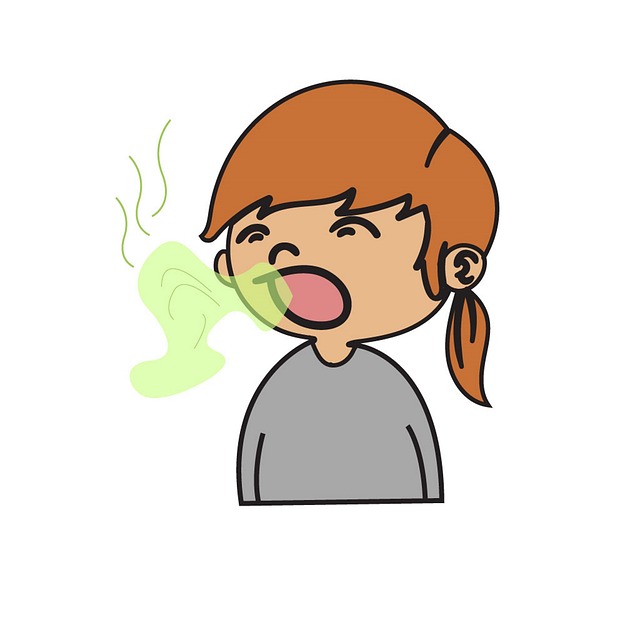
Tonsil stones tend to recur repeatedly in many people. There are various known causes of tonsil stones. Tonsillitis is considered one of the primary causes. The more frequently you experience tonsillitis, the larger the tonsillar crypts (pockets) become, allowing food particles and bacteria to accumulate and clump together inside them. As food debris and bacteria build up in the mouth and bacteria multiply, tonsil stones form more frequently. In addition to this, poor oral hygiene and postnasal drip are also recognized causes of tonsil stones.
| What Are Tonsil Stones and What Are the Symptoms?
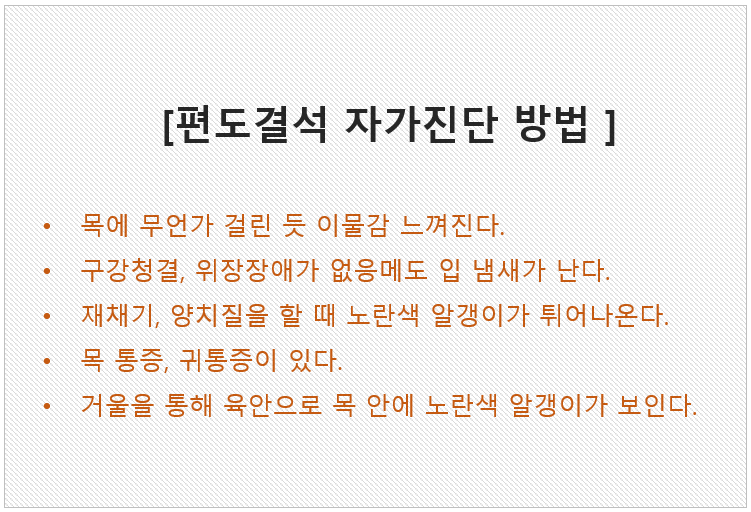
The tonsils are the thick, fleshy tissue visible on either side of the uvula when you open your mouth. Tonsil stones (tonsilloliths) are clumps of debris that form in the small pockets on the surface of the tonsils. As mentioned above, they are caused by food particles and tonsil secretions reacting with bacteria. They can vary in size. Despite being called "stones," they are not hard — they crumble easily when touched. Bad breath that persists even after brushing your teeth can be a sign of tonsil stones. A sensation of something being stuck in the throat is another common symptom.
| Safe Methods to Remove Tonsil Stones
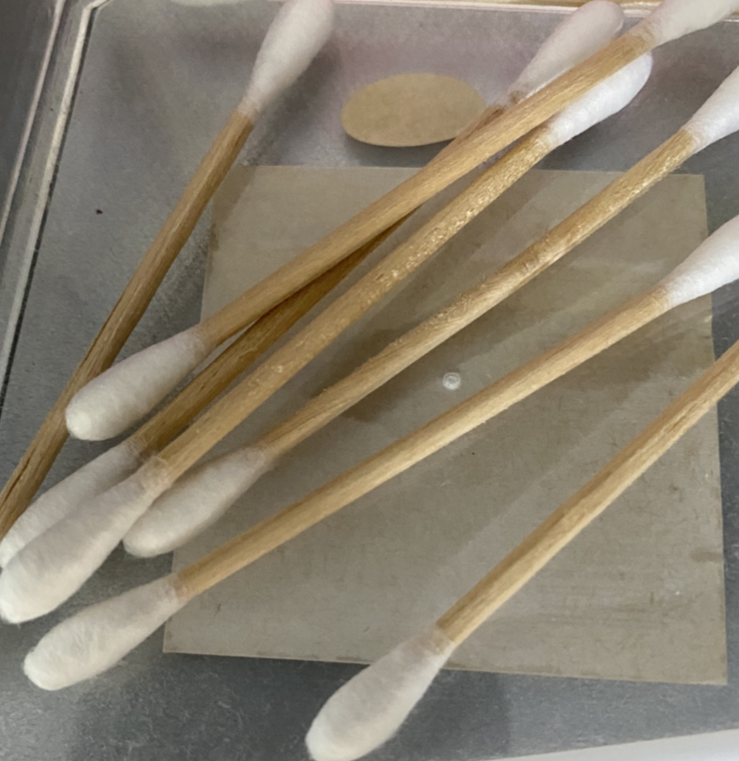
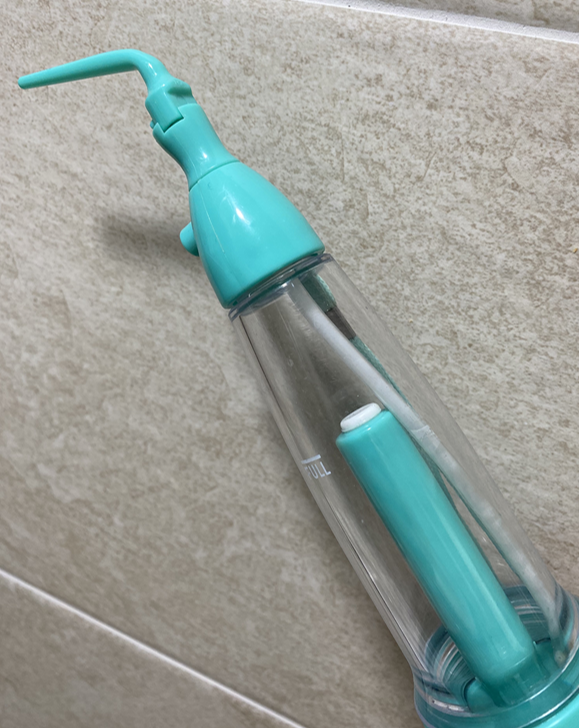
Tonsil stones often dislodge on their own when you cough forcefully or brush your teeth. If they are visible and continue to bother you, a doctor can remove them using a suction device. However, there are also ways to remove them at home without visiting a clinic. One method is to use a cotton swab. Forcing them out with your fingers or a cotton swab, however, can cause cuts or inflammation in the tonsils. It is therefore best to use a safe, gentle method rather than forceful removal. The most recommended approach is to have a doctor remove them with a suction tool, but in some cases gargling can help dislodge them. Water flossers (such as Waterpik) can also be effective, using a strong stream of water to flush them out. Natural expulsion, coughing, brushing, oral irrigators, and professional medical help are all viable options.
| Prevention of Tonsil Stones and Managing Postnasal Drip Here is a detailed guide on how to prevent tonsil stones. Drinking plenty of water helps maintain tonsil health. Proper and thorough tooth brushing is important to ensure food particles do not remain in the mouth. Keeping your lungs healthy can also be beneficial. Aerobic exercises such as hiking, running, and cycling are considered effective. Consistent light aerobic exercise helps maintain lung health while also contributing to the well-being of your tonsils. Chronic rhinitis or sinusitis can lead to postnasal drip. Since postnasal drip is a known cause of tonsil stones, addressing postnasal drip alone may be enough to permanently prevent tonsil stones.
*What Is Postnasal Drip?
Postnasal drip refers to a condition in which the sinuses (air-filled cavities around the nose) produce an increased amount of mucus, the mucus becomes thick, or abnormal throat muscle function or swallowing causes mucus to pool in the throat or drip down from the back of the nose into the throat. Under normal conditions, the nose and sinuses produce approximately 300 to 600 mL of mucus per day. This mucus serves to moisten the mucous membranes and trap foreign particles.
| How to Manage and Treat Swollen Tonsils There are various possible causes of swollen tonsils. They can become swollen due to a cold, overuse of the voice, excessive smoking and alcohol consumption, overwork or stress, or seasonal changes. The symptoms of swollen tonsils also vary. When the tonsils are temporarily swollen, they may appear red and inflamed, and you may feel a foreign body sensation or dryness when swallowing. Sudden high fever and chills can occur, followed by a sore throat. You may also experience pain with every swallow and general systemic symptoms. When your tonsils are swollen, it is advisable to drink warm water frequently, use a humidifier, eat soft foods, avoid ice cream, and get plenty of rest.
Additional Tips
- Consult a medical professional for accurate and personalized information.
- For more details, please contact a relevant healthcare provider or institution.
Time calculators to use next
Continue with calculators for h:m:s arithmetic, work hours, sleep planning, presentation timing, and world time.
Apply this to your portfolio
Calculate the optimal weights with the rebalancing calculator
Go to Rebalancing CalculatorHave any questions?