Superconductors
Superconductor is one of the terms that is increasingly mentioned in our daily lives alongside advances in science and technology. Especially in recent years, news related to superconductors has been reported frequently, drawing the attention of many people. Today, we will explore exactly what superconductors are, why they matter, and how they could impact our lives.
Superconductor is one of the terms that is increasingly mentioned in our daily lives alongside advances in science and technology. Especially in recent years, news related to superconductors has been reported frequently, drawing the attention of many people. Today, we will explore exactly what superconductors are, why they matter, and how they could impact our lives.
Key Concepts
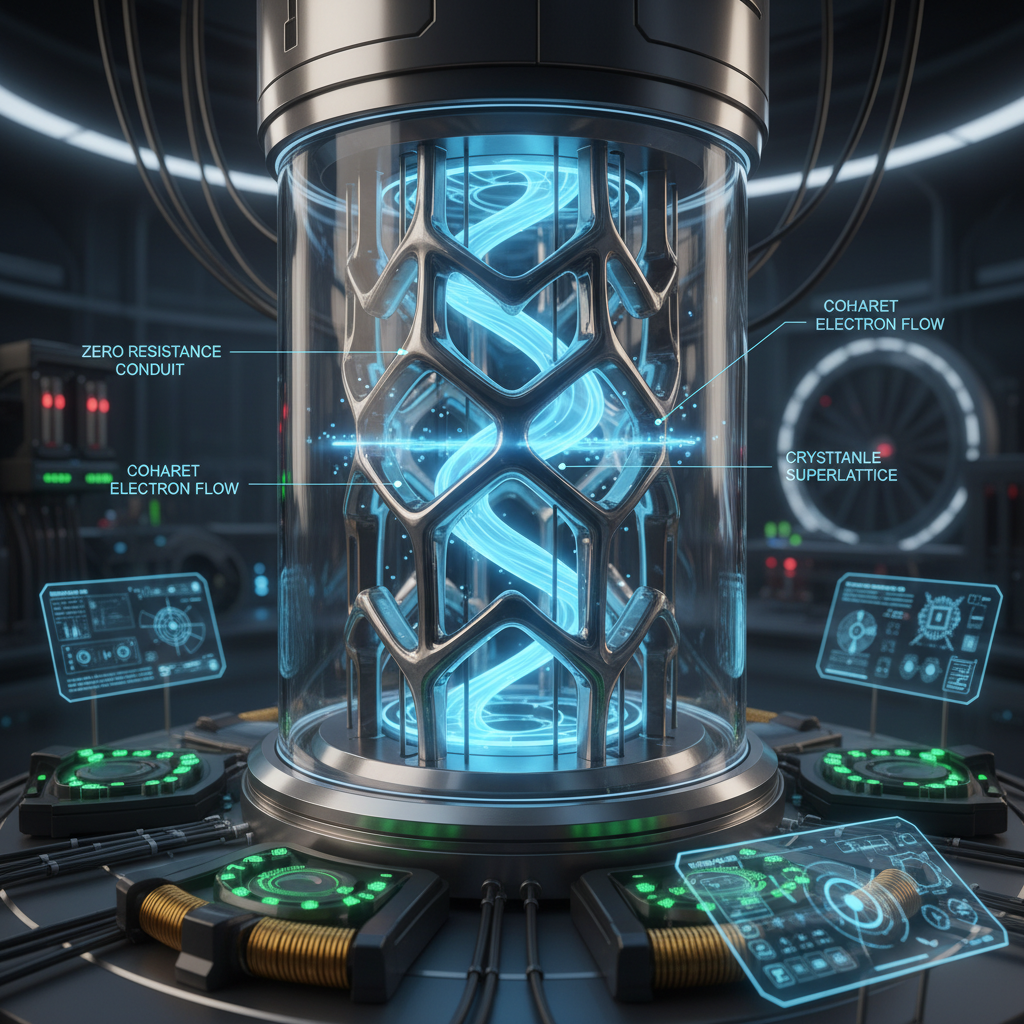
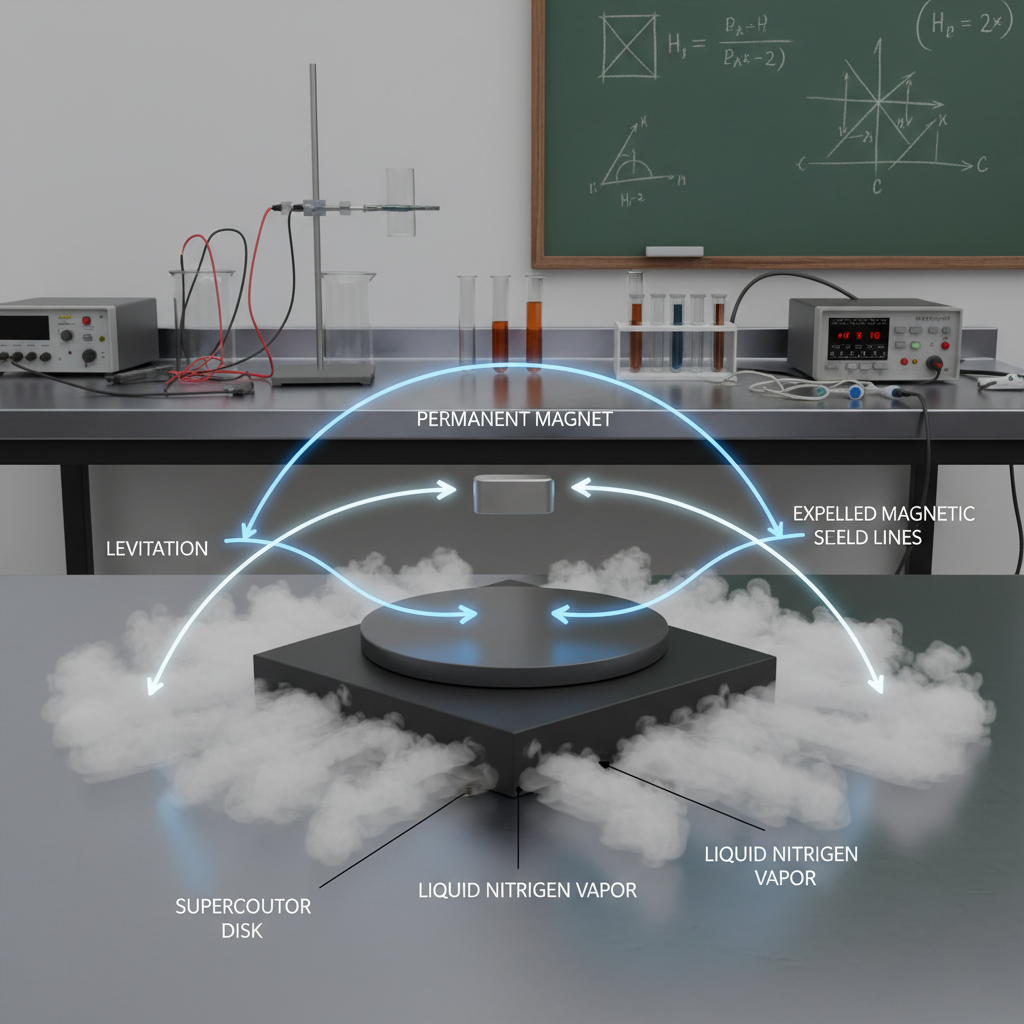
A superconductor is a material in which electrical resistance completely disappears under certain conditions. Normally, when electricity passes through a conductor, resistance is generated, causing energy loss and heat. However, in the superconducting state, this resistance drops to zero, allowing electricity to flow without any loss. The superconducting phenomenon was first discovered in 1911 by Dutch physicist Heike Kamerlingh Onnes when he cooled mercury to minus 269 degrees Celsius. He observed that the electrical resistance of mercury suddenly vanished at that temperature, marking the beginning of superconductivity research. Since then, scientists have spent over 100 years searching for superconductors that operate at higher temperatures. Another important property of superconductors is the Meissner effect. This refers to the phenomenon where a superconductor completely expels an external magnetic field. Because of this,
Detailed Explanation
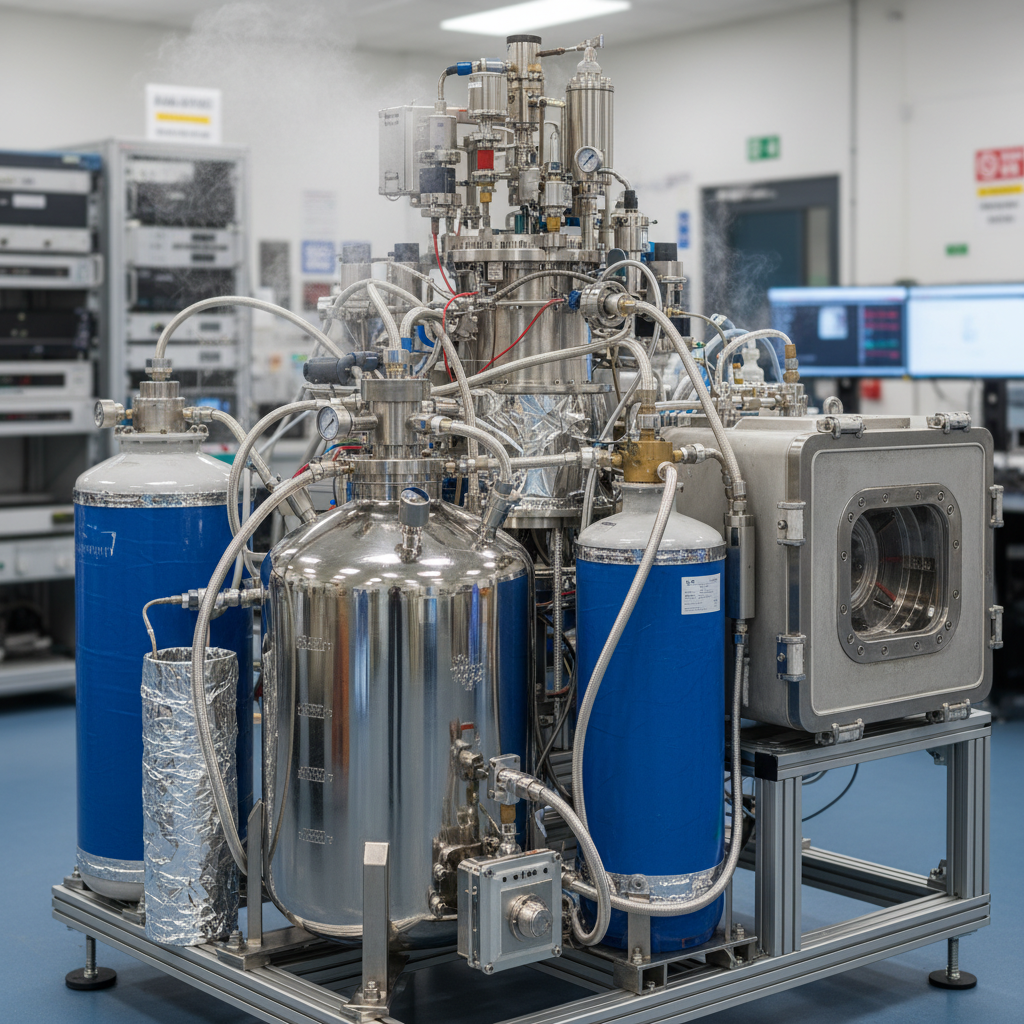
a magnet placed above a superconductor appears to float in mid-air. This phenomenon is called magnetic levitation, and it is the core principle behind maglev trains that utilize superconductor technology. Superconductors discovered so far can be broadly divided into two types. The first is low-temperature superconductors, which are materials that exhibit superconductivity only at extremely low temperatures below 30 Kelvin. Metals such as mercury, lead, and aluminum fall into this category, and they require cooling with liquid helium for practical use, making them costly. The second type is high-temperature superconductors. Here, "high temperature" is a relative concept, typically referring to temperatures around minus 196 degrees Celsius. In 1986, Bednorz and Müller attracted great attention when they discovered high-temperature superconductivity in copper oxide-based ceramic materials, and they were subsequently awarded the Nobel Prize for this achievement.
Applications
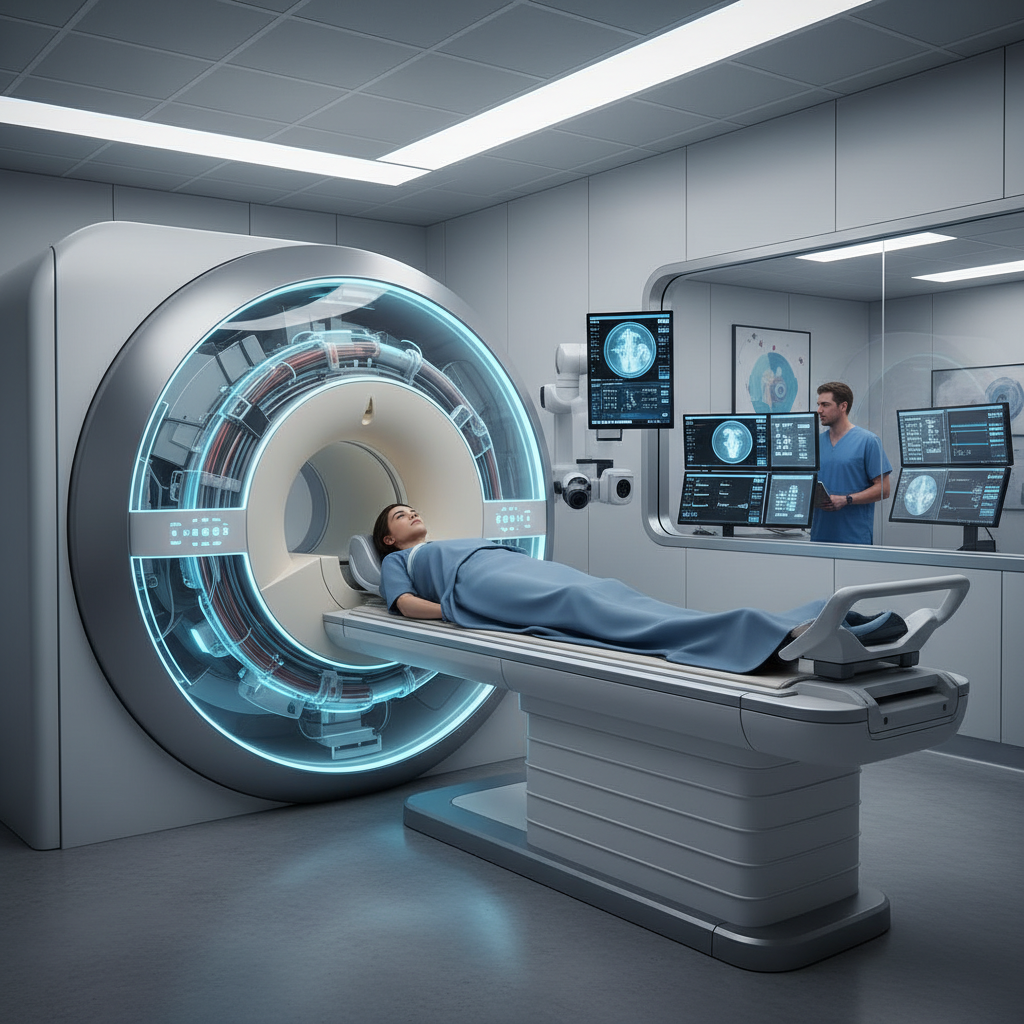
The importance of superconductors becomes clear when you look at their potential applications. The most immediately apparent area is energy transmission. Currently, about 7 to 10 percent of power is lost due to the resistance of transmission lines when electricity is transmitted. Using superconducting transmission lines could reduce these losses to zero. Superconductors are already playing a significant role in the medical field. MRI machines used in hospitals are a prime example of devices that utilize superconducting magnets. These magnets can generate powerful and stable magnetic fields, enabling detailed imaging of the human body. Thanks to this technology, we can examine the internal state of the body in detail without surgery. In the transportation sector, maglev trains are the most well-known application of superconductor technology. Japan's Linear Motor Car can reach speeds of over 600 kilometers per hour,
Additional Information

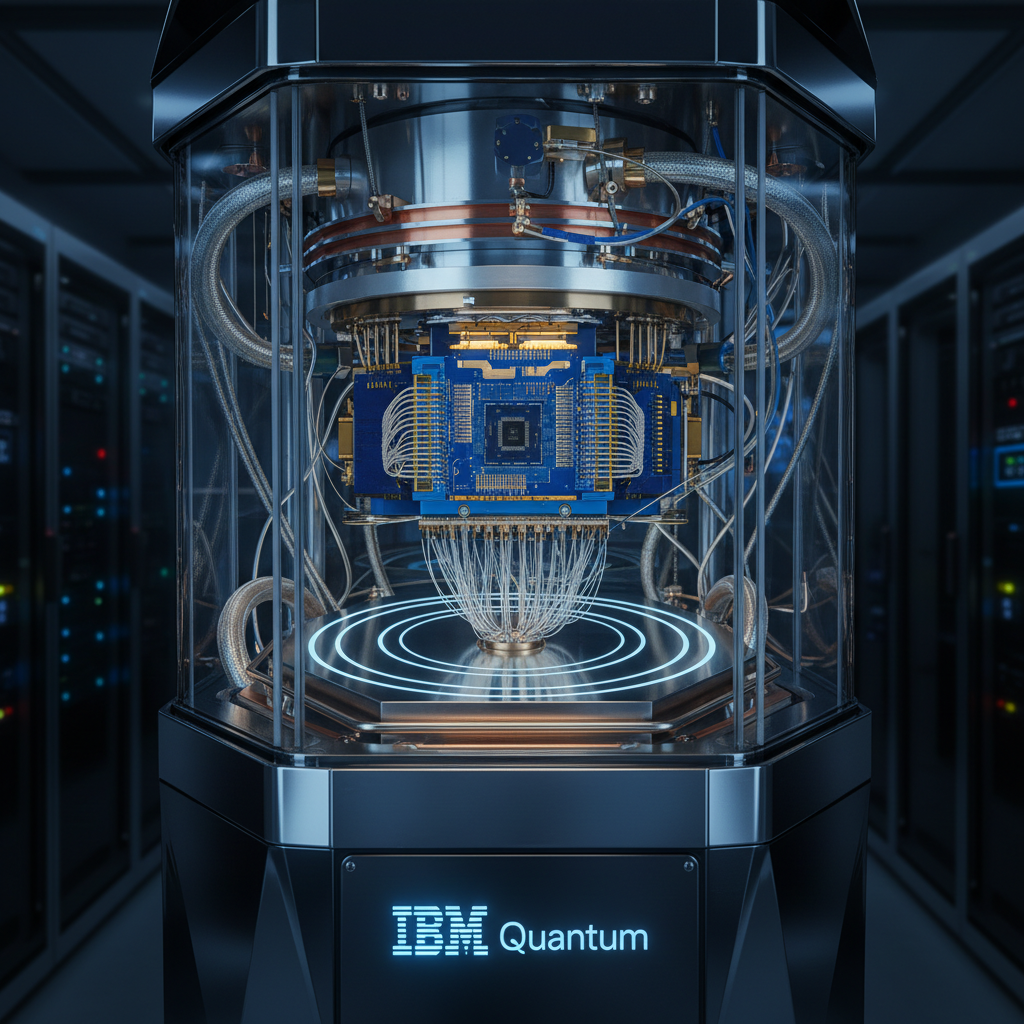
which is made possible by using superconducting magnets to levitate and propel the train using powerful magnetic fields. In scientific research, superconductors are an indispensable element. The Large Hadron Collider (LHC) in Europe uses thousands of superconducting magnets to accelerate particles, leading to discoveries such as the Higgs boson. Operating such large-scale experimental facilities would have been virtually impossible without superconducting technology. More recently, superconductors have been playing a key role in the development of quantum computers. Superconducting quantum computers developed by companies such as Google and IBM use superconducting circuits to create quantum bits (qubits). These quantum computers can perform complex calculations that were impossible for conventional computers, and are expected to bring revolutionary advances in fields such as cryptography, drug discovery, and climate prediction.
In-Depth Content
So why do we not see superconductors more widely in everyday life? The biggest reason is the requirement to maintain extremely low temperatures. Most superconductors discovered to date only work at temperatures below minus 100 degrees Celsius, requiring continuous cooling with liquid nitrogen or liquid helium. Maintaining such cooling systems demands significant cost and energy. This is why scientists dream of a room-temperature superconductor. If a superconductor that operates at normal, everyday temperatures were developed, it would bring truly revolutionary changes. Being able to use superconducting phenomena without a cooling apparatus would exponentially expand the range of applications. In 2020 and 2023, announcements of room-temperature superconductor discoveries caused a worldwide sensation. In particular, in 2023, a Korean research team announced that a material called LK-99
Notes and Caveats

exhibited superconducting behavior at room temperature, attracting enormous attention. Unfortunately, however, subsequent verification attempts failed to reproduce the results, and it was not recognized as a room-temperature superconductor. Despite this controversy, research into room-temperature superconductors continues. In 2020, a research team at the University of Rochester in the United States announced that a compound made of carbon, hydrogen, and sulfur showed superconductivity at 15 degrees Celsius. However, this required an extreme pressure of 2.67 million atmospheres, limiting its practical applicability. Looking at the history of superconductor research, we can see that critical temperatures have been steadily rising. Starting from mercury at minus 269 degrees Celsius in 1911, the threshold climbed to minus 196 degrees Celsius with the discovery of high-temperature superconductors in 1986. More recently, superconducting behavior has been observed at above-zero temperatures, albeit under extreme pressure conditions.
Future Outlook
This gives hope that a practical room-temperature superconductor could someday be developed. How would our lives change if superconductors became widely practical? First, a power grid with virtually zero transmission loss would be established, greatly improving energy efficiency. This would not only reduce electricity costs but also make a significant contribution to reducing carbon emissions, playing an important role in addressing global warming. Transportation systems could also be completely transformed. If maglev trains became widespread, we would have access to faster, safer, and quieter transportation. Superconducting motors could also enable the development of electric aircraft and ships, bringing innovation across the entire transportation industry. Significant changes are also expected in the electronics field. Superconducting processors would enable far faster computation without generating heat, dramatically improving computer performance.
Industry and Investment
Superconducting batteries could store electricity without energy loss, dramatically extending the range of electric vehicles. Superconductor technology is also considered important in the military sector. Superconducting railguns can launch projectiles at extremely high speeds using only electromagnetic force without gunpowder, and superconducting sensors can be used for applications such as submarine detection. For these reasons, major nations are investing heavily in superconductor research. In space exploration, superconductors are expected to play a key role. They could be used in spacecraft propulsion systems driven by superconducting magnets or in energy storage devices for space stations. Space is naturally a cryogenic environment, making it particularly well-suited for the use of superconductors. The superconductor industry is forecast to grow substantially. Market research firms predict that the superconductor
Global Research Trends
market could reach hundreds of billions of dollars by 2030. Demand is expected to increase significantly in the power industry, medical devices, and transportation systems. Korea is also investing heavily in superconductor research. Centered around the Korea Institute of Superconductivity and Cryogenics, universities, research institutes, and companies are collaborating to develop superconducting technologies, with particular focus on the commercialization of superconducting power cables, transformers, and motors. Although the LK-99 controversy occurred, it also helped raise greater public awareness and interest in superconductor research. The future of superconductor research is bright, but many challenges remain. Achieving the ultimate goal of developing a room-temperature superconductor requires a deeper understanding of the superconducting mechanism. Mass production technology and cost reduction are also essential challenges that must be addressed for practical application.
Conclusion

Nevertheless, superconductor technology is clearly one of the most important technologies that could transform the future of humanity. It has the potential to impact nearly every industry, from improved energy efficiency and eco-friendly transportation systems to innovative medical technology and next-generation computing. We are standing at a critical juncture in the development of superconductor technology. Although room-temperature superconductors have not yet been realized, we can hold onto the hope that through the relentless efforts of scientists, this goal will someday be achieved. When that day comes, our lives will look completely different from today. Why not take an interest in superconductors? Rather than thinking of them as mere scientific jargon, understanding them as an innovative technology that could transform our future will make it far more exciting to follow related news and research updates. Let us look forward together to the era of change that superconductors will bring.
Key Checks First
Superconductor is one of the terms that is increasingly mentioned in our daily lives alongside advances in science and technology. Especially in recent years, news related to superconductors has been reported frequently, drawing the attention of many people. Today, we will explore exactly what superconductors are, why they matter, and how they could impact our lives. Readers looking for Superconductors usually need both the immediate steps and a fallback path when something fails. Use the checklist below before changing an account setting, submitting a request, or relying on a third-party guide.
Before You Start
| Item | What to check |
|---|---|
| Official channel | App, website, customer center, government site, or service portal |
| Verification | Login, phone verification, certificate, or two-factor authentication |
| Timing | Instant change, same-day processing, or business-day delay |
| Cost | Fee, auto-renewal, refund window, or cancellation condition |
| Records | Confirmation number, screenshot, email, or text message receipt |
Troubleshooting Order
- Recheck the current official app or website before following an old screenshot.
- If the menu name has changed, search inside the service with the core keyword.
- For verification errors, update the app, clear browser cache, and try another browser.
- For payment, refund, cancellation, or account deletion, save the completion screen.
- If support is needed, include the date, payment method, device, and exact error message.
Important Notes
Convenience services often change menu names, verification flows, and refund rules. Treat old screenshots as references, not final instructions. For irreversible actions such as cancellation, refund requests, account deletion, or official applications, confirm the current policy before pressing the final button.
For related everyday guides, browse the tips list. If the topic involves money, fees, interest, or taxes, the calculator hub can help with follow-up math. For policy or market updates, check the news section.
Frequently Asked Questions
Which should I follow if the app and website show different steps?
Use the current official screen for the service you are logged into. For payments, refunds, and cancellations, also check the latest terms or customer-center notice before final confirmation.
What should I do if verification keeps failing?
Update the app, try a different browser, clear cache, and retry phone or identity verification. If the same error repeats, save the message and contact support with the exact time and device.
What proof should I keep after completing the process?
Keep the confirmation number, completion screen, email, text message, and payment or cancellation record. These records help if you need to prove the request later.
Are older guides still reliable?
They can explain the general idea, but the current official page should be treated as the source of truth. Menu names and policies change, so confirm the latest screen before acting.
Additional Tips
- For accurate information, consult a specialist.
- For more details, please contact the relevant institution.
Time calculators to use next
Continue with calculators for h:m:s arithmetic, work hours, sleep planning, presentation timing, and world time.
Apply this to your portfolio
Calculate the optimal weights with the rebalancing calculator
Go to Rebalancing CalculatorHave any questions?