Baby Growth and Development Calculator
Parents often wonder whether their child is growing well, or if they are too small or too big — these concerns seem to grow with each passing day.
Parents often wonder whether their child is growing well, or if they are too small or too big — these concerns seem to grow with each passing day.
Key Points
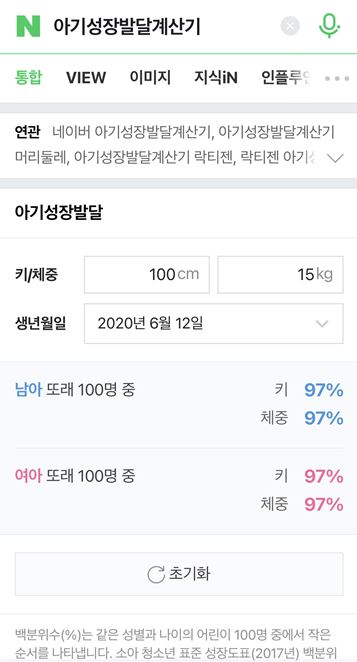
Many parents are first-timers, and naturally have endless questions about raising their child. While visiting a hospital is the best way to get accurate information, a baby growth and development calculator is a great tool to use when you cannot immediately go to a doctor or when you simply want a rough estimate. Because it only requires a few inputs to produce results, it is known to be very easy and convenient to use. In fact, since our own child tends to be on the smaller side compared to peers in both height and weight, we were immediately drawn to check with the baby growth and development calculator. Many parents are curious about their child's height and weight, and these can be verified using the baby growth and development calculator. If you are wondering how your child ranks percentile-wise and whether they are growing well before your next hospital visit, using a baby growth and development calculator program is highly recommended. Baby Growth and Development Calculator — parenting knowledge truly comes down to information. The baby growth and development calculator is definitely something worth knowing about. Without going directly to a hospital, you can get a surface-level check on whether your baby's growth and development might have any issues. In reality, after a child is born and during the parenting journey, parents are always filled with worry. Why isn't my baby growing? Why aren't they gaining weight? Or conversely, are they gaining too much weight?
Detailed Explanation
Is my child too tall? These are just some of the many concerns parents face. The baby growth and development calculator can be accessed through a Naver search. However, there are some important points to keep in mind. It is recommended to use a smartphone rather than a computer. When searching on a computer, the calculator option may not appear. So for those who are curious, searching on a smartphone is the way to go. When you search for the baby growth and development calculator on Naver, fields will appear to enter height, weight, and date of birth. Simply enter your child's height, weight, and date of birth. The results will then display what percentile your child falls into among 100 peers of the same gender. Since results differ based on gender, it is important to enter the gender accurately as well. How to Interpret the Growth Development Calculator Results — the growth development calculator displays results as percentages. However, first-time parents often do not know whether a higher or lower percentage is better. The percentage does not indicate a ranking from the top. Rather, it represents the order from smallest among 100 children, so the higher the number, the taller and heavier the child is. For example, if height is 95% and weight is 80%, that means
How to Use
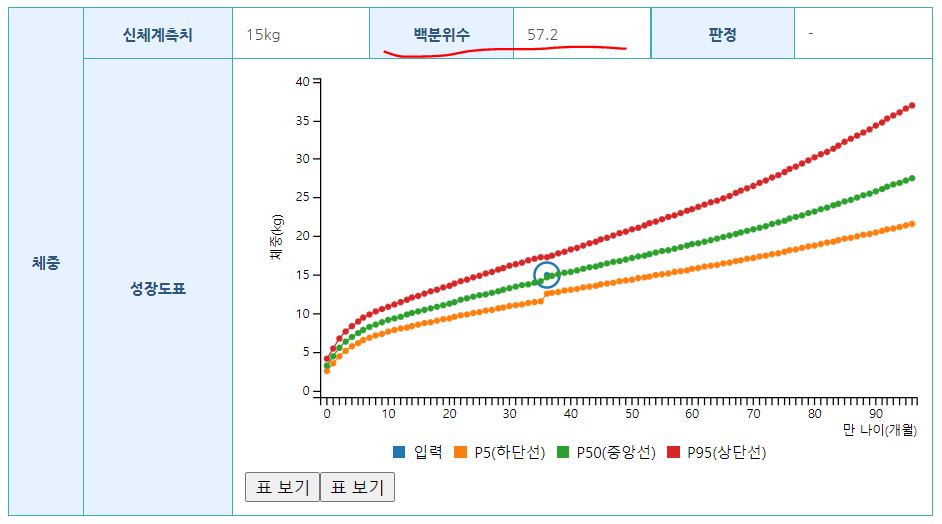
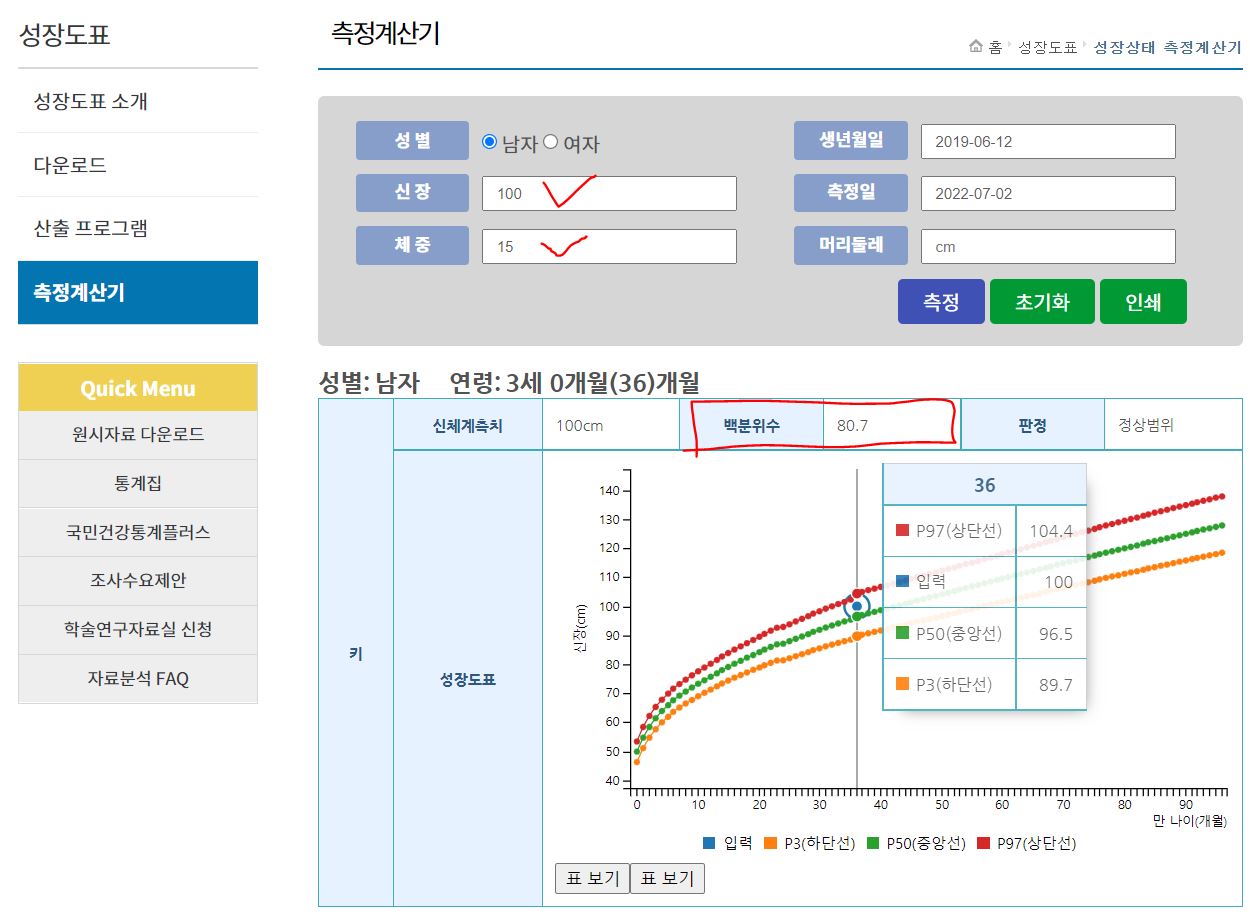
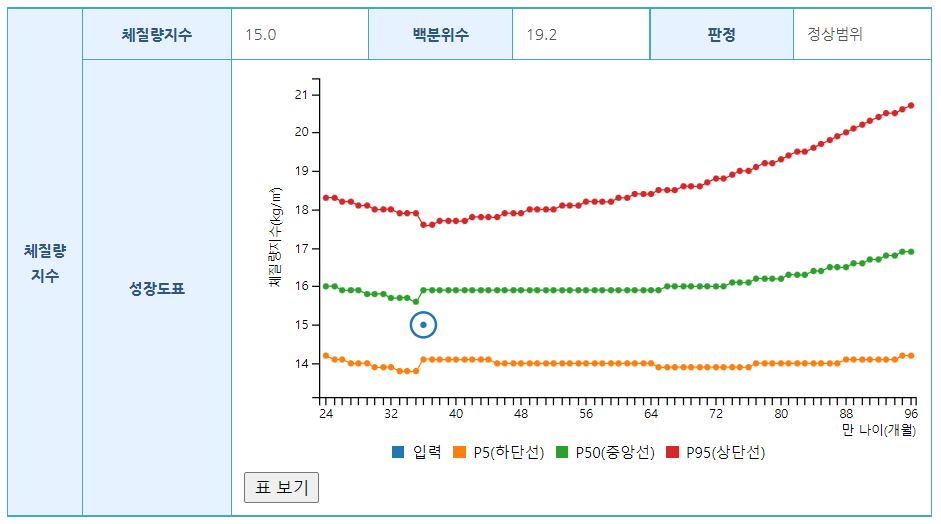
when 100 children are lined up by height, your child stands at the 95th position, and in terms of weight, your child stands at the 80th position out of 100. For example, the shortest child would be 1%, and the lightest child would also be 1%, and so on. There is no need to worry if the baby growth and development calculator shows your child is too large, and there is also no need to worry if the result shows they are on the smaller side. Since every baby can grow at a different pace, it is too early to make judgments based solely on these numbers. In addition to the Naver baby growth and development calculator, you can also use a growth calculator provided by the Korea Disease Control and Prevention Agency (KDCA). The steps are: Go to KDCA website > Enter "growth chart" in the search bar > Click on "Children and Adolescent Growth Chart" > Click "Growth Status Measurement Calculator." By following the above steps, you can access the growth status measurement calculator provided by the KDCA. It requires slightly more detailed inputs than the Naver baby growth and development calculator, so it is expected to be more accurate. After entering the data, you can visually check growth charts for height, weight, head circumference, and body mass index. First-time parents naturally have a lot on their minds and many worries about their child.
Additional Information
These feelings are completely natural and understandable. However, without a specific diagnosis from a hospital, it is not advised to feel discouraged or make judgments based solely on surface-level numbers. Above all, the most accurate information comes from a hospital visit, and that is something worth keeping in mind. Monthly Baby Information — by entering your child's approximate height, weight, and date of birth, you can find out how well your child is growing and how their measurements compare to peers of the same age. However, since these are not absolute values, visiting a hospital for confirmation is always the most accurate option. For those who are also curious about monthly baby information, searching for the baby growth and development calculator on Naver will also show monthly baby information below the calculator results. You can check the average height and weight for babies by month, as well as information on which vaccinations are needed according to the baby's age in months. This is undoubtedly very useful information for first-time parents. Using the baby growth and development calculator provided by Naver, you can check your child's developmental status, and also find information tailored to your child's monthly age needs.
Key Checks First
Parents often wonder whether their child is growing well, or if they are too small or too big — these concerns seem to grow with each passing day. Readers looking for Baby Growth and Development Calculator usually need both the immediate steps and a fallback path when something fails. Use the checklist below before changing an account setting, submitting a request, or relying on a third-party guide.
Before You Start
| Item | What to check |
|---|---|
| Official channel | App, website, customer center, government site, or service portal |
| Verification | Login, phone verification, certificate, or two-factor authentication |
| Timing | Instant change, same-day processing, or business-day delay |
| Cost | Fee, auto-renewal, refund window, or cancellation condition |
| Records | Confirmation number, screenshot, email, or text message receipt |
Troubleshooting Order
- Recheck the current official app or website before following an old screenshot.
- If the menu name has changed, search inside the service with the core keyword.
- For verification errors, update the app, clear browser cache, and try another browser.
- For payment, refund, cancellation, or account deletion, save the completion screen.
- If support is needed, include the date, payment method, device, and exact error message.
Important Notes
Convenience services often change menu names, verification flows, and refund rules. Treat old screenshots as references, not final instructions. For irreversible actions such as cancellation, refund requests, account deletion, or official applications, confirm the current policy before pressing the final button.
For related everyday guides, browse the tips list. If the topic involves money, fees, interest, or taxes, the calculator hub can help with follow-up math. For policy or market updates, check the news section.
Frequently Asked Questions
Which should I follow if the app and website show different steps?
Use the current official screen for the service you are logged into. For payments, refunds, and cancellations, also check the latest terms or customer-center notice before final confirmation.
What should I do if verification keeps failing?
Update the app, try a different browser, clear cache, and retry phone or identity verification. If the same error repeats, save the message and contact support with the exact time and device.
What proof should I keep after completing the process?
Keep the confirmation number, completion screen, email, text message, and payment or cancellation record. These records help if you need to prove the request later.
Are older guides still reliable?
They can explain the general idea, but the current official page should be treated as the source of truth. Menu names and policies change, so confirm the latest screen before acting.
Additional Tips
- Consult a professional for accurate information
- For more details, please contact the relevant institution
Time calculators to use next
Continue with calculators for h:m:s arithmetic, work hours, sleep planning, presentation timing, and world time.
Apply this to your portfolio
Calculate the optimal weights with the rebalancing calculator
Go to Rebalancing CalculatorHave any questions?