Translation Tools
What is a translation tool?
번역기는 언어와 입력 방식부터 고르세요
번역기 검색은 파파고 위젯으로 바로 번역하려는 의도가 강하지만, 영어·일본어·중국어, 이미지·음성·문서 번역은 확인해야 할 도구가 다릅니다. 먼저 문장 방향과 입력 방식을 정하면 오역을 줄일 수 있습니다.
- 짧은 한국어 중심 문장은 파파고를 먼저 씁니다.
- 해외 웹페이지와 다국어 번역은 구글 번역을 함께 봅니다.
- 일본어·중국어는 사전에서 한자·병음·예문을 다시 확인합니다.
What is a translation tool?
Overview
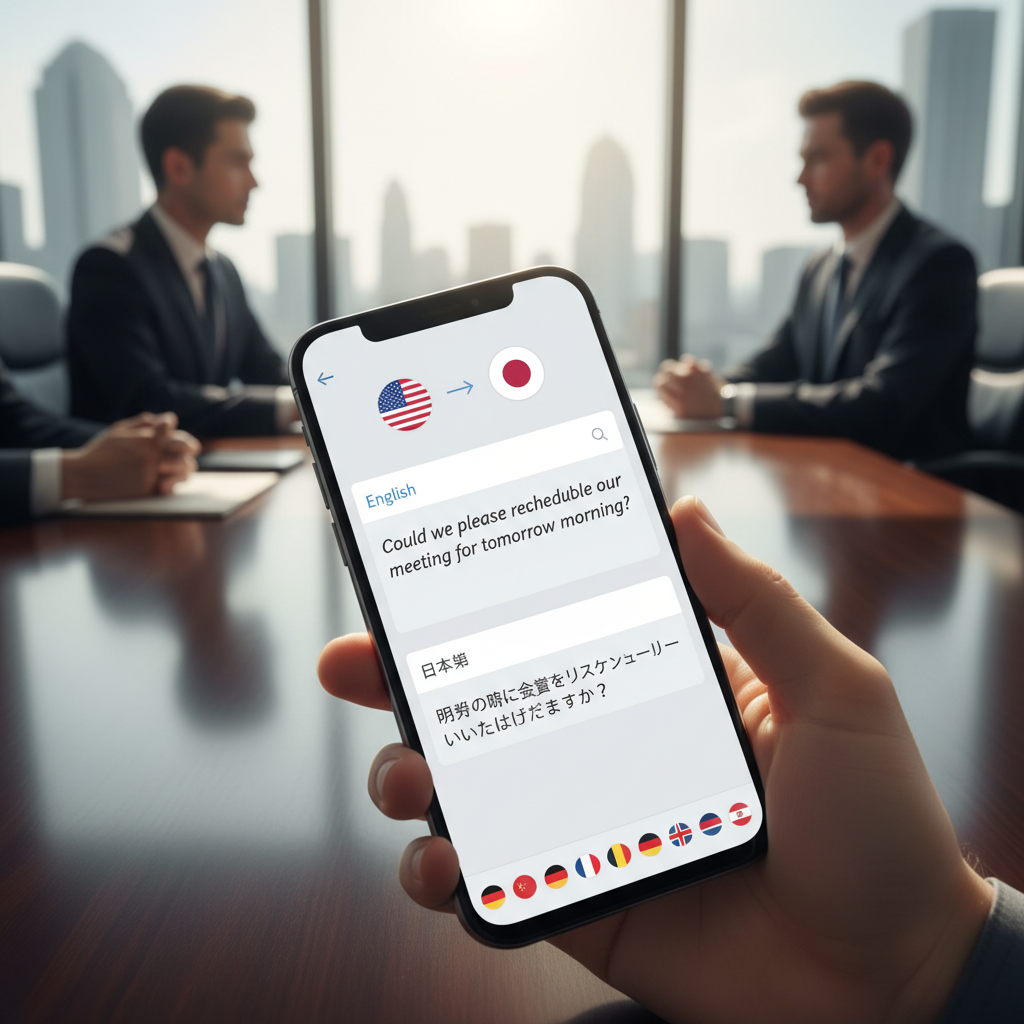
For modern people living in a globalized world, translation tools have become an indispensable part of daily life. When reading documents in a foreign language, browsing overseas websites, or communicating with foreigners, it can be extremely difficult without the help of a translation tool. In the past, people had to flip through thick dictionaries to look up words one by one, but now, with just a smartphone or computer, it is possible to translate various languages in real time. Furthermore, translation tools have advanced far beyond simple word-for-word translation, now capable of grasping the full context of a sentence and delivering natural, fluent results.
The History and Evolution of Translation Tools

The history of translation tools is a fascinating one. Early translation programs could do little more than translate words literally, with no understanding of context or nuance. As a result, the output was often awkward or sometimes conveyed an entirely different meaning. Early machine translation worked on a rule-based system, essentially programming the grammatical rules of a language into software. However, as artificial intelligence technology advanced, the performance of translation tools improved dramatically. In recent years, translation methods leveraging deep learning and neural network technology have become the mainstream approach.
Key Features of Google Translate

Google Translate in particular is one of the most widely used translation services in the world, supporting over 100 languages. It offers a wide range of features beyond text translation, including voice translation, image translation, and real-time conversation translation. The ability to simply point a camera at a foreign-language sign or menu while traveling and get an instant translation is remarkably convenient. Google Translate also provides a feature for translating entire websites. By entering the address of a foreign-language website, it automatically translates all the content on the page, which is extremely useful for overseas shopping or searching for information. However, it is worth noting that translations of specialized or technical content may be inaccurate.
Advantages of Papago Translation

In South Korea, Naver's Papago translation service has gained enormous popularity. Papago is widely regarded as delivering more natural and accurate results than Google Translate, particularly when translating between Korean and other languages, as it has a deep understanding of the subtle nuances and cultural context of the Korean language. It also excels at translating conversational language and everyday expressions commonly used in real life. Papago also offers an offline translation feature, meaning it can be used even in areas with unstable internet connections while traveling abroad. By downloading the necessary language packs in advance, users can access translation services without worrying about data usage.
Precautions When Using Translation Tools

There are a few important things to keep in mind when using translation tools. First, it is essential to recognize that even the best translation tools are not perfect. Errors are particularly likely with specialized terminology, idiomatic expressions, and proverbs. Therefore, for important documents or formal situations, it is advisable to always have the translation reviewed by a professional translator. Second, entering sentences that are too long can reduce translation accuracy. Dividing text into shorter, clearer sentences tends to produce better results. Sentences with complex structures or multiple clauses, in particular, should be appropriately broken up before translating. Additionally, rather than using the translation output as-is, it is a good practice to back-translate the result into the original language to check for accuracy.
Voice and Image Translation Features

The voice recognition capabilities of translation tools are also improving day by day. The ability to simply speak into a smartphone and have it translated into another language in real time is extremely useful for overseas travel and international meetings. The ability to understand context and translate appropriately even when pronunciation is slightly off is also improving steadily. The conversation mode in translation tools is a feature designed to facilitate real-time conversations with foreigners. When two people speak in their respective languages, the tool automatically recognizes both and translates for the other party. This feature is useful in a variety of settings, including tourist information, casual business meetings, and conversations with foreign friends. The image translation feature is especially beloved by travelers. When you cannot understand a menu at a foreign restaurant, or cannot read a street sign, simply pointing your smartphone camera at the text immediately displays the translated content on screen. The translated text is even overlaid naturally on top of the original image, making it appear as though it were originally written in your language.
Using Translation Tools in Business and Work
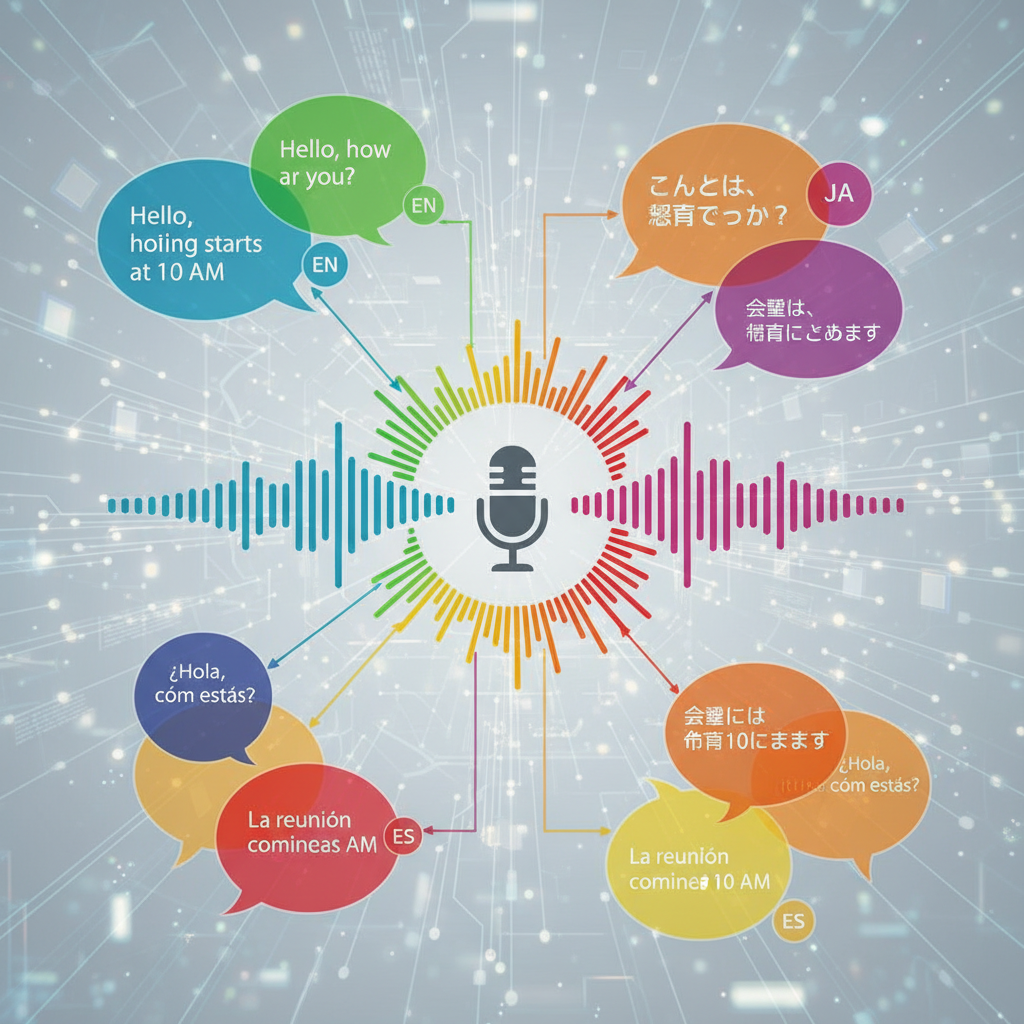
Translation tools are also highly valuable in business environments. They have become an essential tool for exchanging emails with overseas partners, reviewing contracts or proposals written in foreign languages, and participating in international video conferences. While important contracts naturally require accurate translation by a professional, translation tools alone are sufficient for efficient communication in everyday business interactions. The role of translation tools in the business world is continuing to grow. For small and medium-sized businesses and startups looking to enter global markets, translation tools offer a cost-effective solution, enabling them to provide multilingual services across a wide range of areas including product manuals, marketing materials, and customer support. For translations in specialized fields, it is advisable to use tools tailored to that domain. General translation tools may struggle to produce accurate translations for fields requiring expertise, such as medicine, law, and technical documentation. In such cases, it is safer to use professional translation software equipped with a specialized terminology database, or to seek the assistance of a professional translator.
How Students Can Use Translation Tools
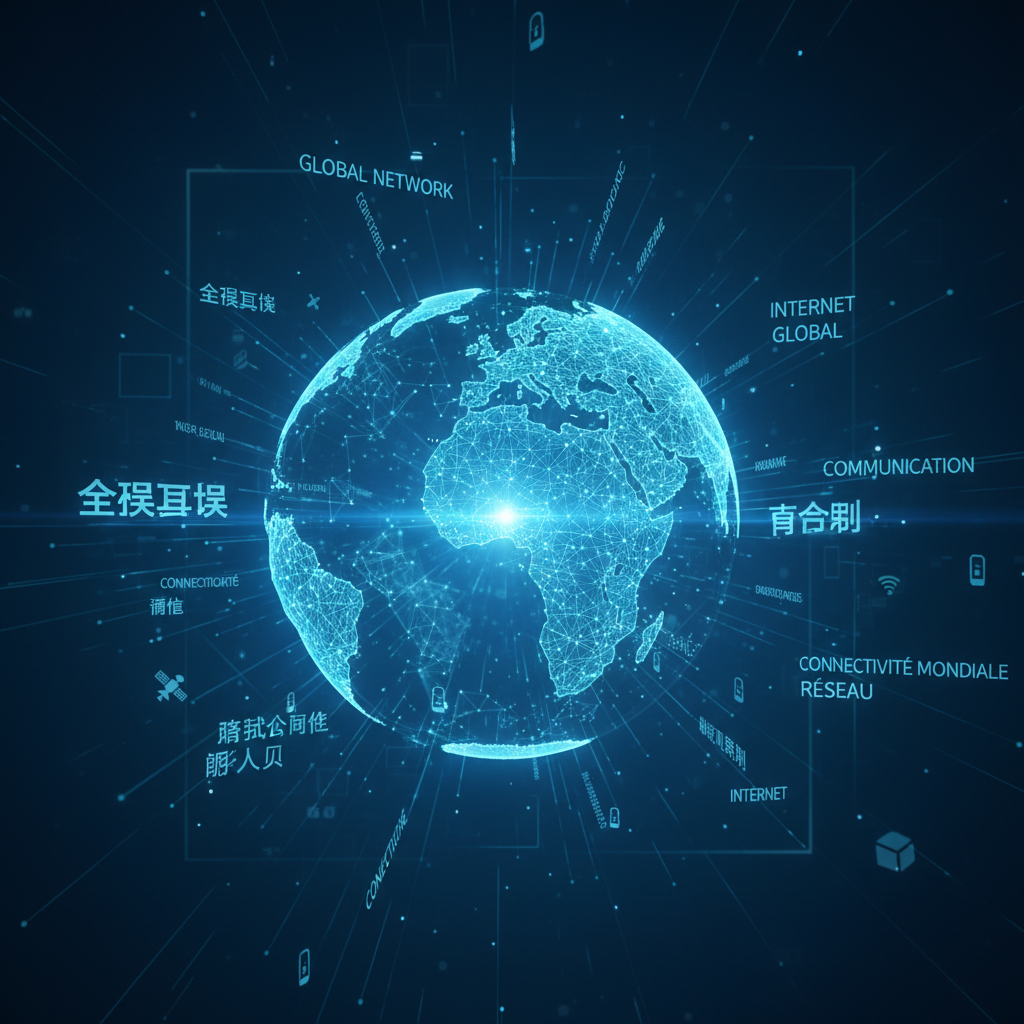
Translation tools are also an extremely useful learning resource for students. They can be used in a wide variety of situations, such as reading academic materials in a foreign language, writing essays in English, or studying a foreign language. However, it is important not to rely solely on translation tools, but to check and refine the translation output as a way to simultaneously improve your own language skills. The role of translation tools in education is also growing. Students preparing to study abroad, learners taking online courses at foreign universities, and researchers who need to read academic papers in foreign languages all benefit from translation tools. This represents a significant contribution to the internationalization of education and the democratization of knowledge. If used wisely, translation tools can also be a tremendous aid to language learning. They allow you to instantly look up unknown words and sentences, learn a variety of expressions, and engage more easily with foreign-language content. That said, it is important to maintain an attitude of thinking and learning for yourself, rather than relying solely on translation tools.
The Future Outlook for Translation Tools

In recent years, a new translation method known as neural machine translation has been gaining attention, driven by advances in artificial intelligence. Unlike earlier rule-based or statistical translation methods, this approach uses deep learning algorithms to grasp the overall context and meaning of a sentence before translating it, resulting in significantly more natural and accurate translations. Looking ahead, translation technology is expected to continue evolving rapidly. Many companies are already making massive investments in artificial intelligence to achieve even more natural and accurate translations, and it may not be long before translation tools reach a level of quality that is indistinguishable from human translation. Translation technology continues to advance. New capabilities are constantly being developed, including the translation of dialects and regional accents, real-time video translation, and translation that takes emotion into account. These developments will make our daily lives more convenient and bring the world closer together. However, no matter how advanced translation tools become, they are unlikely to fully replace human translators. Language carries cultural context, emotion, and nuance, and these subtleties remain the domain of human translators.
Tips for Using Translation Tools Effectively

When choosing a translation tool, it is important to select one that suits your specific purpose. For travel, a tool with enhanced voice and image translation features is recommended, while for business use, one with accurate specialized terminology translation and strong document translation capabilities is more appropriate. For study purposes, a tool that includes vocabulary and pronunciation features can be particularly helpful. One of the most effective tips for using translation tools is to write the sentences you want to translate as clearly and concisely as possible. Avoiding ambiguous expressions or words with multiple meanings, and using sentence structures with clear subjects and predicates, will help you obtain more accurate translation results. Translation tools are also seeing very high utilization in the tourism industry. Foreign tourists can more easily access local culture and information through translation tools, and tourism operators are now able to offer services in a wider range of languages, contributing to the growth of the tourism industry and enhanced cultural exchange between nations. In the medical field, translation tools can even play a life-saving role. When communication between foreign patients and medical staff is difficult, accurate diagnosis and treatment can be compromised; medical-specific translation tools can help address this problem to a meaningful degree. In the age of social media, translation tools make it possible to communicate with people around the world. They allow users to understand posts written in foreign languages, engage in comment-based conversations with people from other countries, and access diverse perspectives on global issues, helping to build understanding of cultural diversity and broaden international horizons. It is also important to be mindful of privacy when using translation tools. Some translation services may store translation data on their servers or use it as training data, so when translating sensitive or confidential information, it is safer to use a translation service with enhanced security measures or to make use of offline translation features. Translation tools have broken down language barriers and made communication with people around the world possible. There is no longer any need to be restricted in accessing information or hesitant to engage with foreigners simply because of a language difference. Translation tools serve as bridges for cross-border communication in every area of our lives, work, and study. It is wise to use them as a supplementary tool while seeking expert assistance for important matters. Translation tools have now become an essential part of modern life, and with just a smartphone, we live in an era where it is possible to communicate anywhere in the world without language barriers. We can look forward to even more convenient and accurate translation services as technology continues to advance.
Key Checks First
What is a translation tool? Readers looking for Translation Tools usually need both the immediate steps and a fallback path when something fails. Use the checklist below before changing an account setting, submitting a request, or relying on a third-party guide.
Before You Start
| Item | What to check |
|---|---|
| Official channel | App, website, customer center, government site, or service portal |
| Verification | Login, phone verification, certificate, or two-factor authentication |
| Timing | Instant change, same-day processing, or business-day delay |
| Cost | Fee, auto-renewal, refund window, or cancellation condition |
| Records | Confirmation number, screenshot, email, or text message receipt |
Troubleshooting Order
- Recheck the current official app or website before following an old screenshot.
- If the menu name has changed, search inside the service with the core keyword.
- For verification errors, update the app, clear browser cache, and try another browser.
- For payment, refund, cancellation, or account deletion, save the completion screen.
- If support is needed, include the date, payment method, device, and exact error message.
Important Notes
Convenience services often change menu names, verification flows, and refund rules. Treat old screenshots as references, not final instructions. For irreversible actions such as cancellation, refund requests, account deletion, or official applications, confirm the current policy before pressing the final button.
For related everyday guides, browse the tips list. If the topic involves money, fees, interest, or taxes, the calculator hub can help with follow-up math. For policy or market updates, check the news section.
Frequently Asked Questions
Which should I follow if the app and website show different steps?
Use the current official screen for the service you are logged into. For payments, refunds, and cancellations, also check the latest terms or customer-center notice before final confirmation.
What should I do if verification keeps failing?
Update the app, try a different browser, clear cache, and retry phone or identity verification. If the same error repeats, save the message and contact support with the exact time and device.
What proof should I keep after completing the process?
Keep the confirmation number, completion screen, email, text message, and payment or cancellation record. These records help if you need to prove the request later.
Are older guides still reliable?
They can explain the general idea, but the current official page should be treated as the source of truth. Menu names and policies change, so confirm the latest screen before acting.
Additional Tips
- For accurate information, please consult a specialist.
- For more details, please contact the relevant organization.
Time calculators to use next
Continue with calculators for h:m:s arithmetic, work hours, sleep planning, presentation timing, and world time.
Apply this to your portfolio
Calculate the optimal weights with the rebalancing calculator
Go to Rebalancing CalculatorHave any questions?