Low White Blood Cell Count
Not long ago, I had a health checkup and I remember feeling anxious about what the results might show, since it had been a while since my last one. Still, the only way to stay on top of your health is to get checked, so I went ahead and received the results - and was told my white blood cell count was low.
Not long ago, I had a health checkup and I remember feeling anxious about what the results might show, since it had been a while since my last one. Still, the only way to stay on top of your health is to get checked, so I went ahead and received the results - and was told my white blood cell count was low.
Key Points

I was relieved to hear that it was not yet at a worrying level, just slightly outside the normal range, but when I got home I looked into what symptoms might appear when white blood cell counts are low and how to manage the condition. Since there are probably many others who have received similar results, today I would like to spend some time learning about white blood cell counts together.
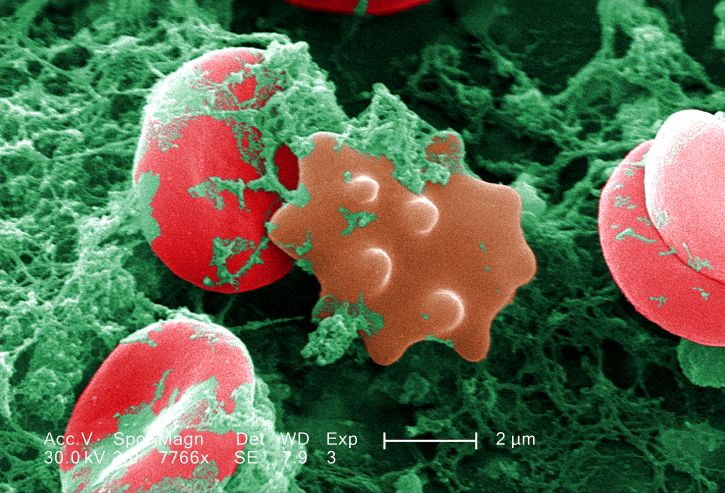
Before that, I first looked into what exactly white blood cells are. White blood cells make up less than about 1 percent of all blood cells and are known to be cells that maintain health, prevent diseases that can be caused by external substances such as viruses and bacteria, and perform immune functions.
These white blood cells are divided into a total of 5 types - lymphocytes, neutrophils, eosinophils, monocytes, and baso
Detailed Explanation

phils - and the normal white blood cell count for adults is generally around 5,000 to 10,000. When measured below this range, it means that one of the 5 types of white blood cells has dropped abnormally low.
When the white blood cell count decreases, immune function weakens and the risk of infection increases, which can lead to life-threatening situations. Additionally, there are many causes that can be found for a low white blood cell count, including diseases such as HIV, bone marrow disorders, spleen or liver diseases, neutropenia, and autoimmune diseases.
If HIV is the cause, it may lead to AIDS, and exposure to fatal infections caused by microorganisms such as bacteria and fungi
How to Manage It

can become possible. Autoimmune disease is a condition where immune cells that should protect our bodies from external invaders instead attack the body itself.
In the case of lymphoma, a tumor develops in the lymph tissue that makes up the body's immune system, and it can sometimes appear in multiple locations. Meanwhile, neutropenia refers to an abnormal decrease in neutrophils, which serve as the first line of defense when bacteria or other pathogens invade our bodies.
I also looked into causes of high white blood cell counts, which was not relevant to my situation, but seemed useful to know for managing levels in general. The most common cause is often a normal bodily response to infection, but specific medications, bone marrow cancer, or abnormal white blood cells being released into the bloodstream can also be
Additional Information

contributing factors. Other causes include increases in neutrophils and lymphocytes - neutrophil increases may be due to injury, infection, certain medications, or leukemia. It has also been found in patients with injuries such as hip fractures or burns, with neutrophil activity increasing in such situations.
In my case, since my white blood cell count was measured relatively low, I further looked into the symptoms. Even though I was worried about whether I had experienced any symptoms so minor that I had not noticed them myself, I found that symptoms similar to those of a general infection can appear, making it difficult to perform normal immune functions.
Such symptoms can include chills and high fever - when white blood cell counts drop, the body may shiver for no apparent reason, develop a fever, or experience chills. In severe cases the temperature can rise to 37.5 degrees Celsius, though in my case I did not experience these symptoms.
In-Depth Information
Diarrhea that is watery in consistency when having a bowel movement can also occur, and may be accompanied by abdominal pain. Additionally, ulcers that cause the inside of the mouth and the area around the mouth to turn white and become raw can develop - if mouth sores suddenly appear, it may be worth suspecting that they are caused by a low white blood cell count.
A low white blood cell count can also cause a sore throat - the symptom of a sore, swollen throat, which I thought about more carefully, was actually something I had experienced too. At first I naturally assumed it was just a simple sore throat, but after my checkup I came to realize it had been caused by my low white blood cell count.
Additionally, be aware that dysuria, which involves pain and a burning sensation when urinating, may also occur. In my case, it appears that I had been dieting excessively in my daily life, leading to poor nutritional intake, which caused a temporary slight decrease in my white blood cell count.
Reference Notes
Now that I have clearly learned about the causes and symptoms of a low white blood cell count, I am determined to take better care of my body going forward. To bring white blood cell counts back to normal, you need to identify and address the root cause - and I have now resolved to work hard to restore my white blood cell count to the normal range.
In my case, it seemed that nutritional deficiency from dieting was the problem, so to address this root cause I am currently following a diet that allows me to consume a well-balanced range of nutrients - and interestingly, the sore throat symptom disappeared very quickly. I hope you too can find this helpful in resolving your own situation.
What lifestyle changes should be made to raise white blood cell counts? To restore white blood cell counts to the normal range, a comprehensive improvement in lifestyle habits is generally considered necessary.
7th Information
First of all, getting sufficient sleep is very important - quality sleep of 7 to 8 hours per day is known to help strengthen the immune system. Regular exercise is also known to promote blood circulation and support the production of immune cells.
Stress management is also a very important factor in managing white blood cell counts. Excessive stress can weaken the immune system and lower white blood cell counts, so it is necessary to relieve stress appropriately through meditation, yoga, hobbies, or other activities.
What foods are helpful for white blood cell counts? Consuming foods that help raise white blood cell counts is also a very important approach. First, it is good to consume fruits and vegetables rich in vitamin C - oranges, kiwis, broccoli, and bell peppers are well-known examples.
8th Information

Vitamin C is known to help stimulate the production of white blood cells and strengthen immune function.
Foods rich in zinc are also known to be effective for improving white blood cell counts - oysters, beef, chicken, and pumpkin seeds are recommended. Meanwhile, fish rich in omega-3 fatty acids are also known to help strengthen the immune system, and consuming blue-backed fish such as mackerel, salmon, and tuna 2 to 3 times per week is recommended.
Additionally, foods rich in protein are known to be essential for white blood cell production - it is recommended to consume adequate amounts of eggs, tofu, legumes, and chicken breast. Consuming these nutrients in a well-balanced manner is believed to naturally raise white blood cell counts.
9th Information
Vitamin C is known to help stimulate the production of white blood cells and strengthen immune function.
Foods rich in zinc are also known to be effective for improving white blood cell counts, and consuming oysters, beef, chicken, and pumpkin seeds is recommended. Meanwhile, fish rich in omega-3 fatty acids are also known to help strengthen the immune system, and consuming blue-backed fish such as mackerel, salmon, and tuna 2 to 3 times per week is recommended.
Additionally, foods rich in protein are known to be essential for white blood cell production - it is recommended to consume adequate amounts of eggs, tofu, legumes, and chicken breast. Consuming these nutrients in a well-balanced manner is believed to naturally raise white blood cell counts.
Key Checks First
Not long ago, I had a health checkup and I remember feeling anxious about what the results might show, since it had been a while since my last one. Still, the only way to stay on top of your health is to get checked, so I went ahead and received the results - and was told my white blood cell count was low. Readers looking for Low White Blood Cell Count usually need both the immediate steps and a fallback path when something fails. Use the checklist below before changing an account setting, submitting a request, or relying on a third-party guide.
Before You Start
| Item | What to check |
|---|---|
| Official channel | App, website, customer center, government site, or service portal |
| Verification | Login, phone verification, certificate, or two-factor authentication |
| Timing | Instant change, same-day processing, or business-day delay |
| Cost | Fee, auto-renewal, refund window, or cancellation condition |
| Records | Confirmation number, screenshot, email, or text message receipt |
Troubleshooting Order
- Recheck the current official app or website before following an old screenshot.
- If the menu name has changed, search inside the service with the core keyword.
- For verification errors, update the app, clear browser cache, and try another browser.
- For payment, refund, cancellation, or account deletion, save the completion screen.
- If support is needed, include the date, payment method, device, and exact error message.
Important Notes
Convenience services often change menu names, verification flows, and refund rules. Treat old screenshots as references, not final instructions. For irreversible actions such as cancellation, refund requests, account deletion, or official applications, confirm the current policy before pressing the final button.
For related everyday guides, browse the tips list. If the topic involves money, fees, interest, or taxes, the calculator hub can help with follow-up math. For policy or market updates, check the news section.
Frequently Asked Questions
Which should I follow if the app and website show different steps?
Use the current official screen for the service you are logged into. For payments, refunds, and cancellations, also check the latest terms or customer-center notice before final confirmation.
What should I do if verification keeps failing?
Update the app, try a different browser, clear cache, and retry phone or identity verification. If the same error repeats, save the message and contact support with the exact time and device.
What proof should I keep after completing the process?
Keep the confirmation number, completion screen, email, text message, and payment or cancellation record. These records help if you need to prove the request later.
Are older guides still reliable?
They can explain the general idea, but the current official page should be treated as the source of truth. Menu names and policies change, so confirm the latest screen before acting.
Additional Tips
- Consult a professional for accurate information
- Please contact the relevant authorities for more details
Time calculators to use next
Continue with calculators for h:m:s arithmetic, work hours, sleep planning, presentation timing, and world time.
Apply this to your portfolio
Calculate the optimal weights with the rebalancing calculator
Go to Rebalancing CalculatorHave any questions?