Whooping Cough (Pertussis) Symptoms
Whooping cough, also known as pertussis, is said to have earned its Korean name from the belief that the cough lasts for 100 days. Enduring a cough for that long is truly a painful experience. As news of increasing pertussis cases has emerged recently, many people have been curious about the symptoms of whooping cough.
Whooping cough, also known as pertussis, is said to have earned its Korean name from the belief that the cough lasts for 100 days. Enduring a cough for that long is truly a painful experience. As news of increasing pertussis cases has emerged recently, many people have been curious about the symptoms of whooping cough.
Key Points
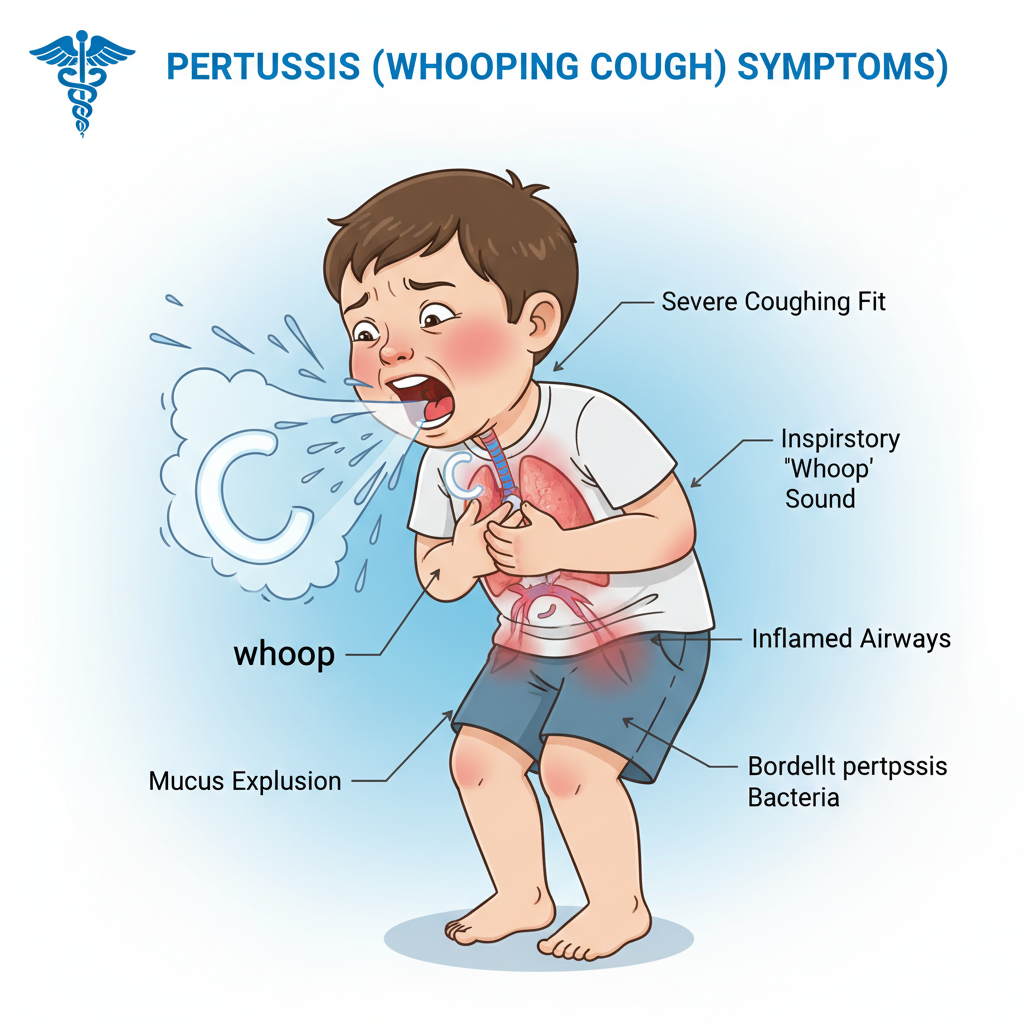
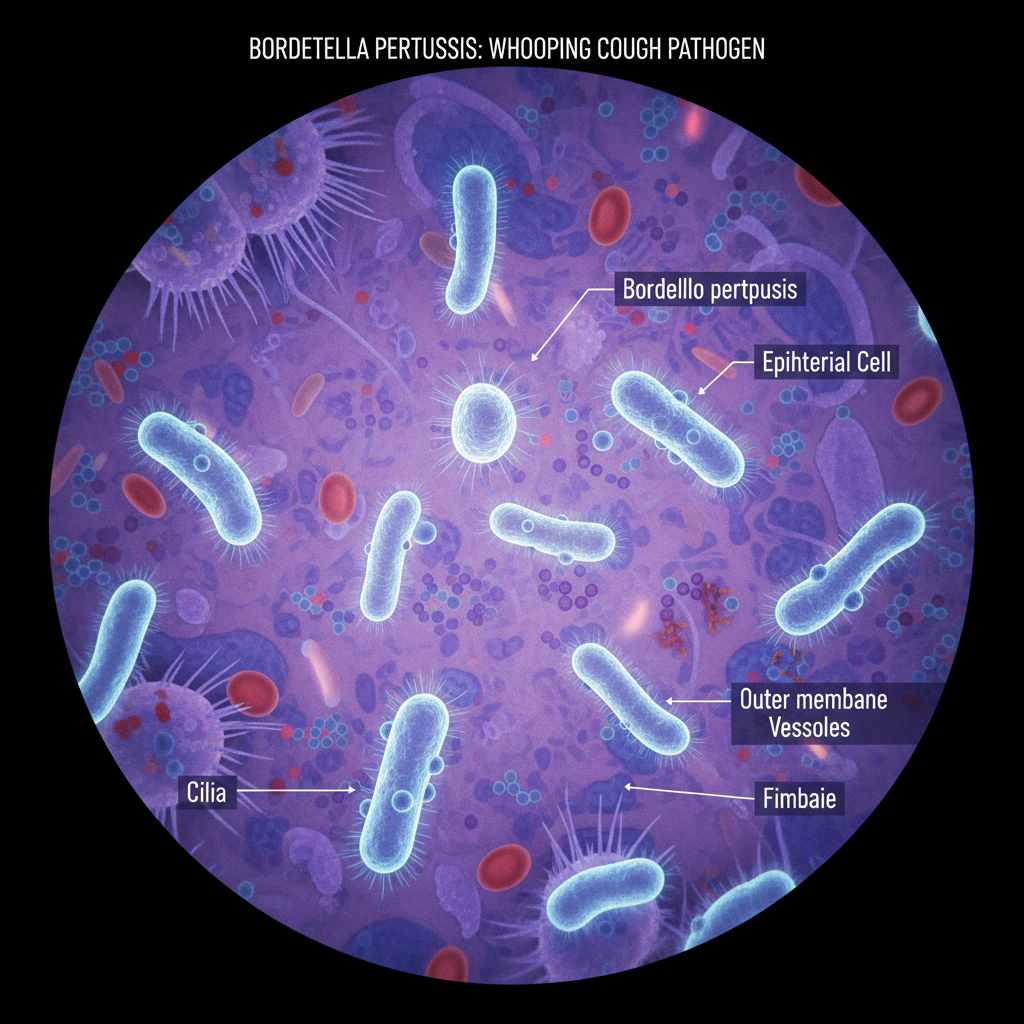
Whooping cough is a respiratory infectious disease caused by the bacterium Bordetella pertussis. It is commonly known in English as "whooping cough" due to the distinctive sound that accompanies the cough. When inhaling after a coughing fit, patients produce a characteristic "whoop" sound, which is said to resemble the crow of a rooster, giving rise to the name in Korean.
Whooping cough is known to be particularly dangerous for infants and young children. Infants under 12 months of age who contract pertussis are at risk for serious complications, requiring extra caution. In fact, the majority of pertussis-related deaths occur in children under one year of age, making vigilance especially important.
The early symptoms of whooping cough are very similar to those of the common cold, making it difficult to distinguish. It is known to begin with typical cold symptoms such as runny nose, sneezing, low-grade fever, and mild cough, so in many cases it is not recognized as whooping cough in its early stages.
Detailed Description
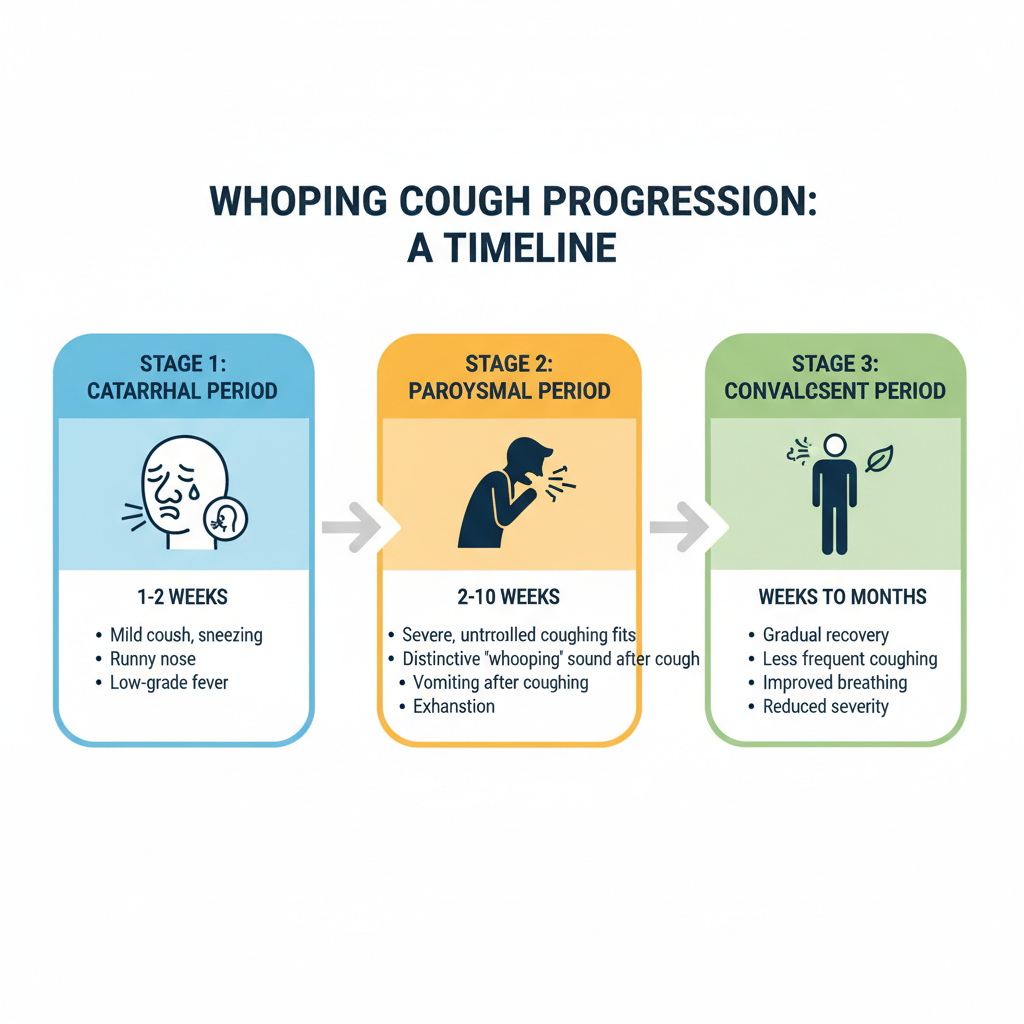
These early symptoms typically last one to two weeks.
After the initial stage, the most characteristic symptom of whooping cough begins: paroxysmal coughing fits. This stage is called the paroxysmal stage. The cough becomes continuous and uncontrollable, and when the patient inhales after a coughing fit, a distinctive "whoop" sound is produced. These paroxysmal coughs tend to worsen at night, causing both the patient and family members to lose sleep.
During a coughing fit, the face may turn red, and in severe cases, blue (cyanosis). This occurs because the coughing impairs adequate oxygen supply, and this symptom tends to be more pronounced in infants and young children. Vomiting after coughing fits is also commonly observed.
The paroxysmal stage of whooping cough typically lasts two to six weeks.
Practical Information

During this period, patients experience multiple coughing attacks throughout the day. The frequency of coughing attacks varies from person to person, but in severe cases, attacks can occur dozens of times a day. This results in significant physical exhaustion and greatly disrupts daily life.
After the paroxysmal stage, the patient enters the recovery (convalescent) stage, during which the intensity and frequency of coughing gradually decrease. However, recovery is not immediate, and coughing may persist for weeks to months. The name "100-day cough" is well-deserved.
Infants and young children may exhibit different symptoms of whooping cough compared to adults. Infants under six months of age may not produce the characteristic "whoop" sound and may instead experience apnea (temporary cessation of breathing). Apnea is a very dangerous symptom, and affected individuals should immediately seek medical attention.
Additional Information

When infants contract whooping cough, serious symptoms such as feeding difficulties, cyanosis, and seizures may accompany the illness. Cyanosis in particular — a condition where the skin or lips turn blue due to lack of oxygen — is a medical emergency requiring immediate intervention. When these symptoms appear, it is emphasized that one should immediately call emergency services (119) or go to the emergency room without delay.
Adults can also contract whooping cough, although their symptoms tend to be less severe than those of infants. In adults, the main symptom is a persistent, prolonged cough, and the characteristic "whoop" sound may not be present in many cases. As a result, it is sometimes mistaken for a simple cold or bronchitis, leading to delays in receiving appropriate treatment.
Whooping cough is known to be highly contagious. It spreads through respiratory droplets produced when an infected person coughs or sneezes, and more than 80% of people who come into close contact with a whooping cough patient can become infected.
In-Depth Information

The period when early symptoms appear and the first two weeks after paroxysmal coughing begins are the most contagious stages of the disease.
The incubation period of whooping cough is typically 7 to 10 days, but can range from as short as 4 days to as long as 21 days. During the incubation period, there are no symptoms, but the person can already transmit the disease to others. Therefore, anyone who has been in contact with a whooping cough patient should be carefully monitored, even without symptoms.
Diagnosis of whooping cough is made based on the patient's symptoms along with laboratory tests. A nasopharyngeal specimen is collected for culture testing or PCR testing, and serological testing to detect antibodies may also be performed. It is important to receive an accurate diagnosis early in order to start appropriate treatment and prevent transmission to others.
Treatment for whooping cough primarily involves antibiotics.
Important Notes
Macrolide antibiotics are the first-line treatment for whooping cough. When administered early, antibiotics can shorten the duration of symptoms and reduce contagiousness. However, once paroxysmal coughing has already started, antibiotics may not significantly alleviate symptoms.
Adequate rest and fluid intake are important for whooping cough patients. Due to the significant physical toll of coughing, eating nutritious meals and getting sufficient rest is known to speed recovery. Maintaining appropriate indoor humidity can also help relieve coughing symptoms.
Complications of whooping cough include pneumonia, otitis media (middle ear infection), and encephalopathy. Pneumonia is the most common complication of whooping cough and can develop from secondary bacterial infections. In infants and young children, pneumonia caused by whooping cough can be life-threatening, so careful monitoring and appropriate treatment are essential.
The most effective way to prevent whooping cough is through vaccination.
7th Section

The DTaP vaccine is used to prevent whooping cough. It is recommended to complete the basic vaccination series in infancy and early childhood, and to receive booster doses in adulthood. For pregnant women in particular, receiving the whooping cough vaccine between 27 and 36 weeks of pregnancy is known to help protect the newborn.
Even after vaccination, immunity may wane over time, so it is important to receive regular booster doses. In particular, family members who are in frequent contact with infants and young children, as well as healthcare workers and childcare providers, are strongly advised to ensure they are vaccinated against whooping cough.
When a whooping cough case is identified, isolation is necessary. After starting antibiotic treatment, contact with others should be avoided for at least 5 days, and contact with infants, young children, and pregnant women should be strictly avoided. Those attending school or daycare should stay home until cleared by a physician.
8th Section

People who have been in contact with a whooping cough patient should also consider preventive antibiotic therapy. High-risk individuals — including infants under one year of age, pregnant women, and those with chronic respiratory conditions — are advised to receive preventive treatment even if they have no symptoms. Preventive antibiotics are most effective when administered within 21 days of exposure.
When caring for a whooping cough patient at home, strict personal hygiene must be maintained. Items used by the patient should be disinfected, and hands must be thoroughly washed after contact with the patient. The patient should also be instructed to cover their mouth and nose with a tissue or sleeve when coughing or sneezing.
Whooping cough can occur at any time of year, but tends to increase in summer and autumn. Cases have been increasing in Korea in recent years, and public health authorities have been calling for heightened vigilance.
9th Section

Increasing vaccination rates and ensuring early diagnosis and treatment are important for curbing the spread of whooping cough.
Contracting whooping cough does not confer lifelong immunity. Immunity wanes over time, making reinfection possible — this is true even for those who have been vaccinated. Therefore, practicing good personal hygiene, following cough etiquette, and receiving regular booster vaccinations are the best ways to prevent whooping cough.
If a cough persists for more than two weeks, is accompanied by an unusual sound, leads to vomiting after coughing, or causes the face to turn red or blue, whooping cough should be suspected and medical attention should be sought immediately. Receiving an early diagnosis and appropriate treatment is the surest way to prevent complications and stop transmission to others.
In the past, whooping cough was primarily considered a disease affecting children, but in recent years, cases among adolescents and adults have also been increasing.
10th Section

This trend appears to be due to waning immunity after vaccination. Adults should also be aware of the risk of whooping cough and receive booster vaccinations when necessary.
Knowing the symptoms of whooping cough allows for early detection and appropriate treatment. Parents caring for infants and young children in particular should be well informed about the symptoms and dangers of whooping cough, and should ensure that their child's vaccination schedule is followed to protect them. Those who are planning a pregnancy or are currently pregnant should also consult their doctor about whooping cough vaccination.
Whooping cough is a fully preventable disease. Vaccination protects not only oneself, but also those around you — especially young infants who have not yet been vaccinated. While individual effort is important, broad social awareness and cooperation are needed to achieve herd immunity and prevent outbreaks of whooping cough.
Key Checks First
Whooping cough, also known as pertussis, is said to have earned its Korean name from the belief that the cough lasts for 100 days. Enduring a cough for that long is truly a painful experience. As news of increasing pertussis cases has emerged recently, many people have been curious about the symptoms of whooping cough. Readers looking for Whooping Cough (Pertussis) Symptoms usually need both the immediate steps and a fallback path when something fails. Use the checklist below before changing an account setting, submitting a request, or relying on a third-party guide.
Before You Start
| Item | What to check |
|---|---|
| Official channel | App, website, customer center, government site, or service portal |
| Verification | Login, phone verification, certificate, or two-factor authentication |
| Timing | Instant change, same-day processing, or business-day delay |
| Cost | Fee, auto-renewal, refund window, or cancellation condition |
| Records | Confirmation number, screenshot, email, or text message receipt |
Troubleshooting Order
- Recheck the current official app or website before following an old screenshot.
- If the menu name has changed, search inside the service with the core keyword.
- For verification errors, update the app, clear browser cache, and try another browser.
- For payment, refund, cancellation, or account deletion, save the completion screen.
- If support is needed, include the date, payment method, device, and exact error message.
Important Notes
Convenience services often change menu names, verification flows, and refund rules. Treat old screenshots as references, not final instructions. For irreversible actions such as cancellation, refund requests, account deletion, or official applications, confirm the current policy before pressing the final button.
For related everyday guides, browse the tips list. If the topic involves money, fees, interest, or taxes, the calculator hub can help with follow-up math. For policy or market updates, check the news section.
Frequently Asked Questions
Which should I follow if the app and website show different steps?
Use the current official screen for the service you are logged into. For payments, refunds, and cancellations, also check the latest terms or customer-center notice before final confirmation.
What should I do if verification keeps failing?
Update the app, try a different browser, clear cache, and retry phone or identity verification. If the same error repeats, save the message and contact support with the exact time and device.
What proof should I keep after completing the process?
Keep the confirmation number, completion screen, email, text message, and payment or cancellation record. These records help if you need to prove the request later.
Are older guides still reliable?
They can explain the general idea, but the current official page should be treated as the source of truth. Menu names and policies change, so confirm the latest screen before acting.
Additional Tips
- Please consult a medical professional for accurate information.
- For more details, please contact the relevant health authorities.
Time calculators to use next
Continue with calculators for h:m:s arithmetic, work hours, sleep planning, presentation timing, and world time.
Apply this to your portfolio
Calculate the optimal weights with the rebalancing calculator
Go to Rebalancing CalculatorHave any questions?