Thyroid Neck Swelling
Thyroid disease is something many people around us have heard of or seen. The thyroid gland is located in our neck and is an endocrine organ that secretes thyroid hormones essential for metabolism.
Thyroid disease is something many people around us have heard of or seen quite commonly. The thyroid gland is located in our neck and is understood to be an endocrine organ that secretes thyroid hormones essential for metabolism.
Key Points
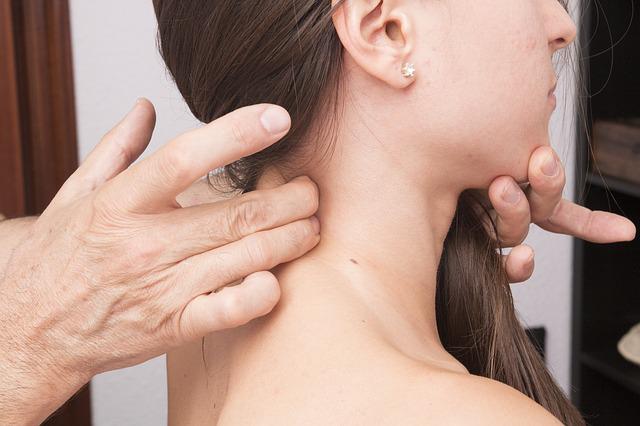
The thyroid gland is extremely important as it produces hormones needed for various metabolic processes. Many people experience symptoms of thyroid neck swelling. It is understood that when cell growth occurs excessively, tumors can form in the thyroid, causing neck swelling or a sensation of a foreign body. It is reported that approximately 5% of the world's population has thyroid discomfort and tumor formation. It is also known that the location, number, size, and symptoms of thyroid neck swelling vary from person to person. Thyroid neck swelling is referred to as goiter. When the goiter enlarges or becomes more painful, it can cause discomfort when breathing or swallowing, leading to significant inconvenience in daily life.
Detailed Explanation
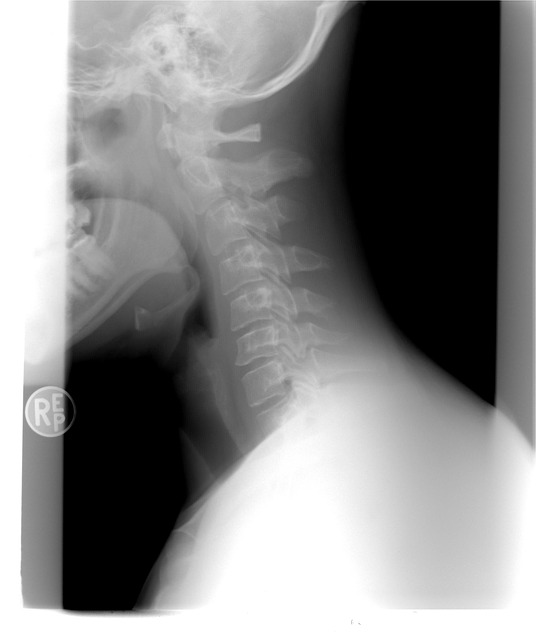
Thyroid neck swelling symptoms can occur when thyroid hormones are produced in excess or too little. When thyroid hormones are overproduced, it is called hyperthyroidism. Symptoms of hyperthyroidism include frequent feelings of anxiety and palpitations, where one can feel their own heartbeat. Other symptoms may include hyperactivity, excessive sweating, and increased heat sensitivity. Additionally, it can lead to fatigue, hair loss, and weight loss. Hyperthyroidism is often discovered through Graves' disease. Thyroid enlargement and swelling can also be caused by a deficiency of thyroid hormones.
How to Manage

When thyroid hormone levels are insufficient, symptoms such as increased sensitivity to cold, constipation, memory decline, and weight gain may appear. In hypothyroidism, the pituitary gland secretes thyroid-stimulating hormone, which stimulates the thyroid gland, and this stimulation is understood to cause the thyroid to swell. These symptoms can arise from various causes. The first cause is iodine deficiency. Iodine deficiency is the most common cause of thyroid swelling and enlargement. Iodine is necessary for producing thyroid hormones, and a lack of iodine leads to a high incidence of goiter. To overcome iodine deficiency, it is important to eat foods rich in iodine.
Additional Information
Iodine is found in large amounts in seafood and milk. It is also abundant in seaweed such as miyeok (sea mustard) and kelp, as well as in seafood. In Korea, where seaweed and seafood are consumed frequently, iodine deficiency-related symptoms are quite rare. There are many other causes as well. Smoking is also one of the causes. Thiocyanate found in cigarette smoke can interfere with iodine absorption. Hormonal changes during pregnancy, puberty, or menopause can also affect thyroid function. Lithium, used as a psychiatric medication, also affects thyroid function.
Advanced Information

Radiation therapy can also cause thyroid enlargement. Goiters come in many types and are treated accordingly. Multinodular goiter is the most common form, where multiple nodules are found in the thyroid. Diffuse goiter refers to overall swelling of the thyroid gland. Substernal goiter grows behind the sternum and can compress the trachea and surrounding blood vessels; surgical intervention may be needed if it continues to grow. Since goiters vary widely in type and symptoms, treatment methods are also quite diverse. If thyroid symptoms are mild and the gland is functioning properly, no specific treatment is required.
Reference Notes

However, if the thyroid becomes too enlarged to cause discomfort in daily life, or if it is not functioning properly, treatment should be pursued. To test thyroid hormone levels, blood is drawn to check thyroid-stimulating hormone (TSH) and thyroid hormone levels. In the case of hyperthyroidism, thyroid hormone production needs to be reduced. Anti-thyroid medications are administered to reduce hormone production. For hypothyroidism, thyroid hormone medication should be taken to stimulate hormone production. The dosage of hormone medication should be adjusted based on observed symptoms.
7th Information

In some cases, thyroid removal surgery may be necessary. If the thyroid has grown so large that there is a strong sensation of a foreign body, if it interferes with daily life, or if it causes breathing difficulties, surgical removal may be required. Thyroid removal surgery can be performed as either a total or partial removal. After thyroid removal surgery, thyroid hormone medication must be taken separately. Thyroid neck swelling and other thyroid-related symptoms can arise from various causes and lead to a range of conditions requiring treatment. Since treatment methods vary depending on the condition, it is important to accurately identify the condition and pursue appropriate treatment.
8th Information

It is important to note what symptoms are present, visit a hospital for examination, and determine a treatment plan through consultation with a specialist. The thyroid is one of the organs we tend to forget about in daily life. However, more people than expected suffer from thyroid-related conditions such as thyroid neck swelling, and it is more common in women than in men. Since the thyroid is an endocrine organ closely related to metabolism, it is very important to manage it well on a regular basis. Foods such as tomatoes, green tea, broccoli, and cabbage are beneficial for thyroid health. It is recommended to consistently consume foods that support thyroid health and take good care of your thyroid.
Key Checks First
Thyroid disease is something many people around us have heard of or seen. The thyroid gland is located in our neck and is an endocrine organ that secretes thyroid hormones essential for metabolism. Readers looking for Thyroid Neck Swelling usually need both the immediate steps and a fallback path when something fails. Use the checklist below before changing an account setting, submitting a request, or relying on a third-party guide.
Before You Start
| Item | What to check |
|---|---|
| Official channel | App, website, customer center, government site, or service portal |
| Verification | Login, phone verification, certificate, or two-factor authentication |
| Timing | Instant change, same-day processing, or business-day delay |
| Cost | Fee, auto-renewal, refund window, or cancellation condition |
| Records | Confirmation number, screenshot, email, or text message receipt |
Troubleshooting Order
- Recheck the current official app or website before following an old screenshot.
- If the menu name has changed, search inside the service with the core keyword.
- For verification errors, update the app, clear browser cache, and try another browser.
- For payment, refund, cancellation, or account deletion, save the completion screen.
- If support is needed, include the date, payment method, device, and exact error message.
Important Notes
Convenience services often change menu names, verification flows, and refund rules. Treat old screenshots as references, not final instructions. For irreversible actions such as cancellation, refund requests, account deletion, or official applications, confirm the current policy before pressing the final button.
For related everyday guides, browse the tips list. If the topic involves money, fees, interest, or taxes, the calculator hub can help with follow-up math. For policy or market updates, check the news section.
Frequently Asked Questions
Which should I follow if the app and website show different steps?
Use the current official screen for the service you are logged into. For payments, refunds, and cancellations, also check the latest terms or customer-center notice before final confirmation.
What should I do if verification keeps failing?
Update the app, try a different browser, clear cache, and retry phone or identity verification. If the same error repeats, save the message and contact support with the exact time and device.
What proof should I keep after completing the process?
Keep the confirmation number, completion screen, email, text message, and payment or cancellation record. These records help if you need to prove the request later.
Are older guides still reliable?
They can explain the general idea, but the current official page should be treated as the source of truth. Menu names and policies change, so confirm the latest screen before acting.
Additional Tips
- Consult a specialist for accurate information
- For more details, please contact the relevant institution
Time calculators to use next
Continue with calculators for h:m:s arithmetic, work hours, sleep planning, presentation timing, and world time.
Apply this to your portfolio
Calculate the optimal weights with the rebalancing calculator
Go to Rebalancing CalculatorHave any questions?